Are Fragrance Oils Safe For Skin
When asking, “Are fragrance oils safe for skin?” the answer depends on quality and dilution. While a high-quality oil for glowing skin provides aesthetic benefits, synthetic fragrances lack the nutrients found in an essential oil. For a healthy skin routine, ensure any fragrance is IFRA-approved to avoid reactions. While some use oils to lighten skin naturally,Skincare Routine
Building a consistent healthy skin routine is the foundation of a clear complexion. Start with a gentle cleanser, followed by a treatment to lighten skin naturally, like Vitamin C. For those with a parched complexion, applying the best oil for dry skin on body or face as a final step seals in moisture. Integrating an oil for skin tightening into your nightly ritual can also improve elasticity. Always choose skin care products that suit your specific sebum levels for the best results.Healthy Skin Tips
Following expert healthy skin tips can prevent premature aging and irritation. One of the best healthy skin tips is to patch-test any new oil for skin allergy before full application. If you are searching for an oil for dry skin in winter, look for heavier lipids like avocado or almond. To maintain healthy skin, avoid over-exfoliating and instead use an oil for skin repair to soothe the surface. Consistency with high-quality skin care products ensures your moisture barrier remains resilient and hydrated.Oil For Skin
Finding the right oil for skin health requires understanding your needs. An oil for dry skin should be rich in fatty acids, while an oil for glowing skin should be lightweight and non-comedogenic, like squalane. Many people seek an oil for skin tightening to firm the jawline and neck. In colder months, using an oil for dry skin in winter provides a necessary shield against harsh winds. Using the best oil for dry skin on body areas ensures your skin stays soft and supple.Skin Care
Modern skin care has evolved to embrace both science and nature. When selecting skin care products, it is important to distinguish between “fragrance-free” and “unscented.” For those prone to reactions, an oil for skin allergy such as cold-pressed oat oil can provide immediate relief. Effective oils for skin care work by supplementing the skin’s natural acid mantle. Whether you want to lighten skin naturally or find a robust oil for dry skin, the right topical application is a cornerstone of dermal health.Fragrance Oils Vs Essential Oils
The debate between fragrance oils and essential oils often comes down to therapeutic value versus scent variety. An essential oil is plant-derived and often serves as an oil for skin repair. In contrast, fragrance oils are synthetic but offer a wider range of scents for skin care products. While both are common oils for skin care, those with sensitive types should be cautious. If you have an oil for skin allergy, pure carrier oils are often safer than complex synthetic fragrance blends.Oils For Skin Care
Choosing the right oils for skin care can drastically improve your texture. From using an oil for skin tightening to finding the best oil for dry skin on body parts like elbows and knees, lipids are essential. During the frostier months, an oil for dry skin in winter prevents painful cracking. By incorporating a nutrient-rich oil for glowing skin into your daily habit, you support a vibrant look. Always use an oil for skin repair to maintain long-term health and vitality.
In the pursuit of healthy skin, we often find ourselves caught between two worlds: the enticing, complex scents of fragrance oils and the potent, plant-based power of essential oils. Whether you are looking for the best oil for dry skin on the body use or crafting a DIY healthy skin routine, understanding what goes onto your dermis is vital for long-term wellness.
But the big question remains: Are fragrance oils safe for skin? Let’s dive into the science, the safety standards, and how to choose the right oils for skin care.
Understanding the Difference: Fragrance Oils vs Essential Oils
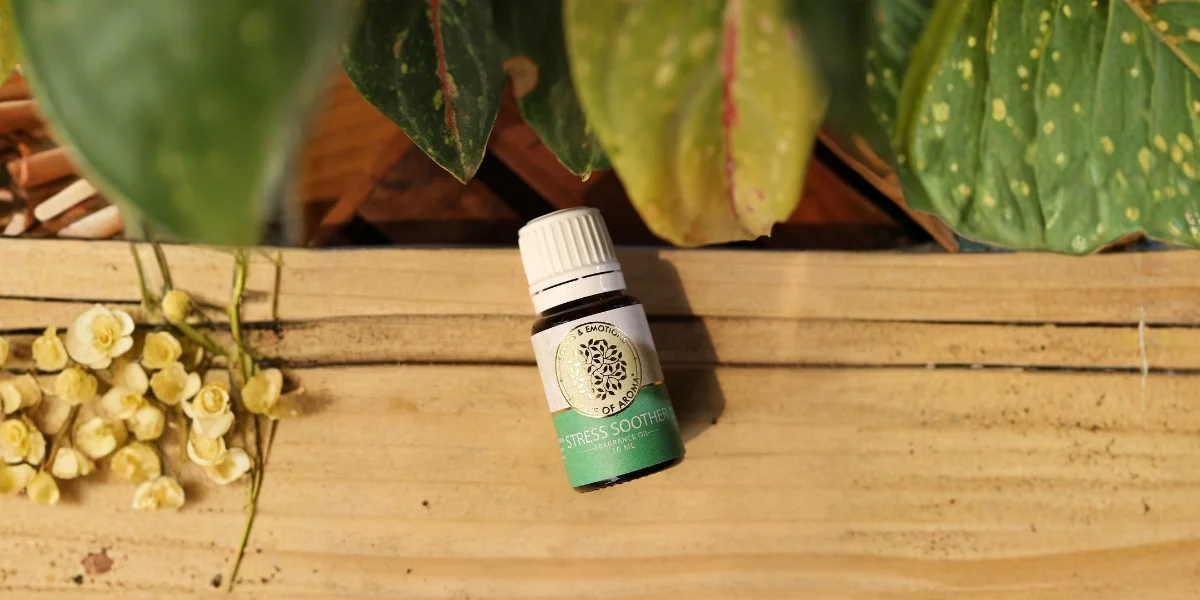
Before determining safety, we must distinguish between synthetic scents and natural extracts.
1. Essential Oils:
These are distilled directly from plants. Many people use an essential oil like lavender or frankincense as an oil for skin repair due to their therapeutic properties.
These are distilled directly from plants. Many people use an essential oil like lavender or frankincense as an oil for skin repair due to their therapeutic properties.
2. Fragrance Oils:
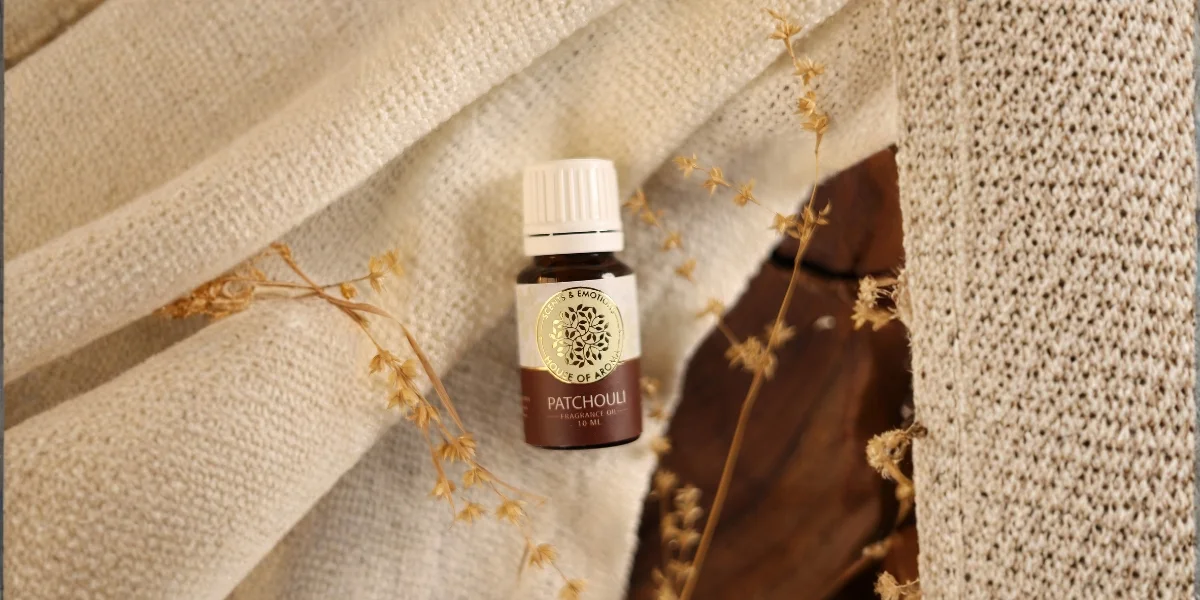
These are primarily lab-created. While they can contain natural elements, they are engineered to provide a specific, long-lasting scent profile that nature sometimes cannot produce (like “Fresh Linen” or “Sugar Cookie”).
These are primarily lab-created. While they can contain natural elements, they are engineered to provide a specific, long-lasting scent profile that nature sometimes cannot produce (like “Fresh Linen” or “Sugar Cookie”).
Are Fragrance Oils Safe for Skin?
The short answer is yes, provided they are “cosmetic grade” and used within specific IFRA (International Fragrance Association) guidelines. However, unlike natural oils for glowing skin, synthetic fragrances do not typically offer vitamins or antioxidants. They are purely for sensory appeal.
Benefits of Incorporating Oils into Your Routine
Using the right oils for skin care can transform a dull complexion. Depending on your goals, whether you want to lighten skin naturally or find a heavy-duty oil for dry skin in winter, oils provide a lipid barrier that locks in moisture.
1. Hydration for Dryness
If you struggle with flakiness, finding a specific oil for dry skin is a game-changer. During the colder months, look for an oil for dry skin in winter that contains oleic acid, which penetrates deeply to soothe irritation.
2. Repair and Anti-Aging
For those concerned with loss of elasticity, an oil for skin tightening (such as rosehip or pomegranate seed oil) can help boost collagen production. Similarly, an oil for skin repair helps mend the moisture barrier after exposure to harsh environmental pollutants.
3. Achieving a Radiant Glow
Everyone wants that lit-from-within look. Using a lightweight oil for glowing skin, like jojoba or squalane, can mimic your skin’s natural sebum, providing a healthy sheen without clogging pores.
Safety Concerns: Allergies and Sensitivities
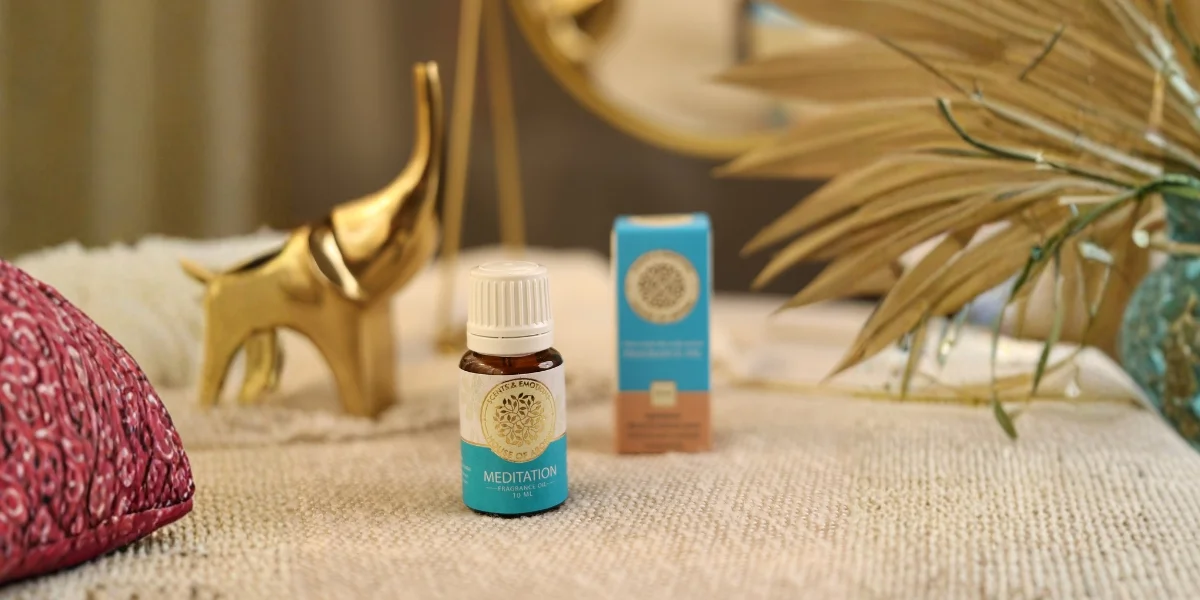
While many skin care products use fragrance to enhance the user experience, they can be a double-edged sword.
Skin Allergies
If you have reactive skin, a fragrance oil might trigger an oil for skin allergy flare-up. Synthetic scents are among the top allergens in cosmetics. If you notice redness or itching, it is best to switch to fragrance-free skin care products and focus on healthy skin tips that prioritize soothing ingredients like aloe or oatmeal.
Dilution is Key
Never apply a concentrated fragrance or essential oil directly to the skin. They must be diluted in a carrier oil (like coconut or almond oil). This is one of the most important healthy skin tips for DIY enthusiasts.
How to Build a Healthy Skincare Routine with Oils
Goal | Recommended Oil Type for Skincare Routine |
Tightening | Oil for skin tightening (e.g., Argan, Neroli) |
Winter Dryness | Oil for dry skin in winter (e.g., Avocado, Shea) |
Repair | Oil for skin repair (e.g., Rosehip, Tamanu) |
Brightening | Oil for glowing skin (e.g., Marula, Apricot Kernel) |
Creating a healthy skin routine doesn’t have to be complicated. Here is a simple way to integrate oils:
1. Cleanse:
Use a gentle cleanser that doesn’t strip your natural lipids.
Use a gentle cleanser that doesn’t strip your natural lipids.
2. Treat:
Apply serums targeted to your needs (e.g., Vitamin C to lighten skin naturally).
Apply serums targeted to your needs (e.g., Vitamin C to lighten skin naturally).
3. Moisturize:
Apply your cream.
Apply your cream.
4. Seal:
Finish with the best oil for dry skin on body or face to seal in the hydration.
Finish with the best oil for dry skin on body or face to seal in the hydration.
Healthy Skin Tips for Using Oils Safely
To maintain healthy Skincare Routine, follow these professional recommendations:
1. Patch Test First:
Always test a new oil for skin allergy potential by applying a small amount to your inner forearm for 24 hours.
Always test a new oil for skin allergy potential by applying a small amount to your inner forearm for 24 hours.
2. Check the Label:
Ensure your skin care products specify “Phthalate-free” when it comes to fragrances.
Ensure your skin care products specify “Phthalate-free” when it comes to fragrances.
3. Storage Matters:
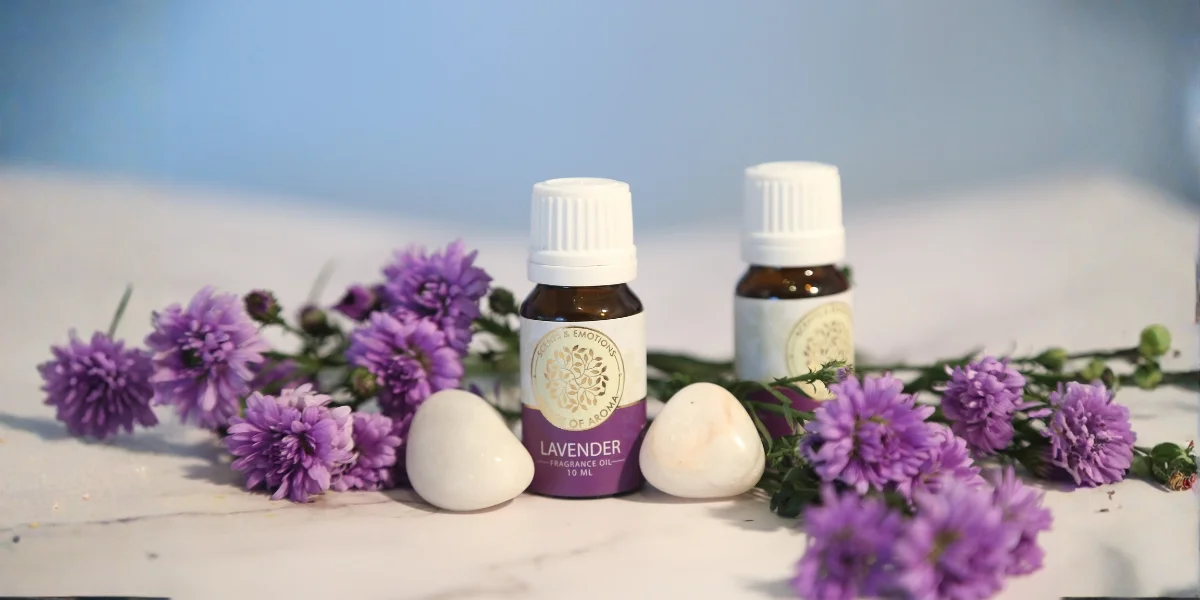
Keep your essential oils and fragrance oils in a cool, dark place to prevent oxidation, which can turn a helpful oil into a skin irritant.
Keep your essential oils and fragrance oils in a cool, dark place to prevent oxidation, which can turn a helpful oil into a skin irritant.
4. Listen to Your Body:
If an oil for dry skin causes breakouts, it may be too comedogenic (pore-clogging) for your specific skin type.
If an oil for dry skin causes breakouts, it may be too comedogenic (pore-clogging) for your specific skin type.
Summary: Making the Right Choice
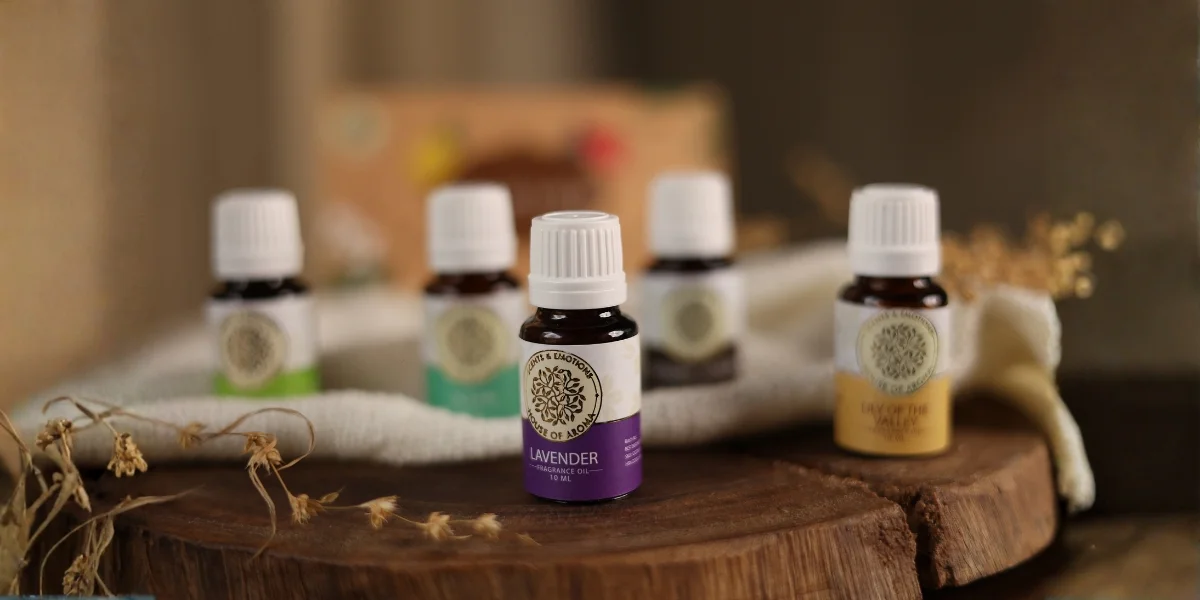
So, are fragrance oils safe for skin? When formulated correctly and used in moderation, they are safe for most people. However, if your goal is true dermal health, focusing on a nutrient-dense essential oil or a pure carrier oil for dry skin will provide more benefits than a synthetic scent.
By following these healthy skin tips and being mindful of the ingredients in your skin care products, you can achieve a radiant, resilient complexion all year round. Whether you are searching for the best oil for dry skin on the body or a way to lighten skin naturally, the key is consistency and quality.
FAQ's
No, not all essential oils are safe for direct skin application. Many, such as citrus oils (lemon, bergamot) and mint oils (peppermint), can cause severe irritation or photosensitivity. To maintain healthy skin, an essential oil must always be diluted in a carrier oil and patch-tested first. Some are better suited as an oil for skin repair, while others are too volatile for facial use.
The best oil for dry skin on body and face is typically one high in linoleic acid or fatty acids that reinforce the moisture barrier. Argan oil, jojoba oil, and sweet almond oil are top choices. They act as a powerful oil for dry skin by preventing water loss and soothing flakiness without being overly heavy.
An oil for dry skin in winter needs to be richer to combat low humidity and cold winds. Avocado oil and rosehip oil are excellent choices because they provide deep nourishment. For the body, coconut oil is often cited as the best oil for dry skin on body use during winter due to its ability to create a thick protective seal.
While it seems counterintuitive, using a lightweight oil for glowing skin like jojoba can actually help. Because jojoba mimics natural sebum, it can trick your skin into producing less oil. To maintain a healthy skin routine for oily types, use non-comedogenic skin care products and avoid over-washing, which can trigger “rebound oiliness.”
Healthy skin typically appears even in tone, smooth in texture, and has a subtle natural radiance or “inner glow.” It should feel soft and resilient, not tight or itchy. Clear pores and the absence of constant redness or flaking are also key indicators that your oils for skin care and routine are working effectively.
To maintain healthy skin naturally, follow these healthy skin tips:
- Drink plenty of water to hydrate from within.
- Use plant-based oils for skin care like rosehip to lighten skin naturally.
- Protect your barrier with an oil for skin repair after sun exposure.
- Stick to a consistent healthy skin routine involving gentle cleansing and natural moisturizers.
If you are looking for an oil for skin tightening, frankincense, pomegranate seed oil, and argan oil are highly regarded. These oils contain antioxidants that support collagen production and improve elasticity. Using an oil for skin tightening regularly can help the skin “bounce back” and appear firmer over time.
Yes, you definitely can use oil for dry skin. In fact, oils are often more effective than lotions because they are lipophilic, meaning they pass through the skin’s lipid layer more easily. Whether you need an oil for dry skin in winter or a daily oil for glowing skin, adding a few drops to your moisturizer can significantly boost hydration levels.