Aromatherapy for room
Implementing aromatherapy for room environments is a powerful way to enhance your physical and emotional well-being through scent. By using high-quality botanical extracts, aromatherapy for room settings can purify the air while creating a personalized atmosphere of peace or productivity. Whether you prefer the grounding notes of cedarwood or the uplifting zest of grapefruit, these natural scents interact with the limbic system to reduce stress. In 2026, many homeowners are moving away from synthetic fragrances in favor of these therapeutic oils to ensure their living spaces support a holistic and healthy lifestyle for everyone.Benefits of Room Aromatherapy
The Benefits of Room Aromatherapy extend far beyond a pleasant smell, offering significant psychological and physiological advantages. One of the primary Benefits of Room Aromatherapy is its ability to lower cortisol levels and improve sleep quality through scents like lavender or chamomile. Additionally, specific oils possess antimicrobial properties that help cleanse the air of pathogens. By regularly incorporating these natural essences into your daily routine, you can boost your immune system, sharpen your mental focus, and create a sanctuary that fosters deep relaxation. It is an essential practice for maintaining balance in a fast-paced, modern world.Aromatherapy at Home
Practicing Aromatherapy at Home has never been easier with the wide availability of ultrasonic diffusers and essential oil blends. When you prioritize Aromatherapy at Home, you take control of your indoor environment, replacing toxic aerosols with healing plant vapors. You can tailor your scent profile to match the time of day, using peppermint for morning energy and sandalwood for evening meditation. This practice transforms ordinary rooms into restorative spaces, making your household feel more cohesive and tranquil. It is a simple yet profound way to invest in your family’s daily comfort and long-term wellness.Aromatherapy Room Fragrance
Selecting a high-quality Aromatherapy Room Fragrance ensures that your home smells luxurious without the use of hidden chemicals. A pure Aromatherapy Room Fragrance utilizes steam-distilled oils that provide a clean, “true-to-nature” aroma that synthetic perfumes cannot replicate. These fragrances linger softly, providing a consistent sensory experience that enhances the aesthetic appeal of your decor. Whether you use a reed diffuser or a nebulizer, these natural scents add a layer of sophistication to your home. By choosing organic options, you ensure that your signature scent is as safe as it is beautiful for all occupants.Aroma Home Fragrance
The right Aroma Home Fragrance can define the character of your living space and leave a lasting impression on guests. Integrating a premium Aroma Home Fragrance into your entryway or dining area sets a welcoming tone that balances comfort with elegance. From spicy cinnamon during the winter to fresh lemongrass in the summer, these scents help you celebrate the changing seasons indoors. Because these products are derived from nature, they offer a depth of scent that evolves beautifully over time. Investing in a quality aroma ensures your home remains a vibrant, fragrant, and inviting retreat throughout the year.Aromatherapy Room Scent
Finding the perfect Aromatherapy Room Scent is an art form that allows you to customize the mood of every individual room. An invigorating Aromatherapy Room Scent like eucalyptus is perfect for the bathroom, while a warm vanilla-based Aromatherapy Room Scent creates a cozy vibe in the library. These natural scents help regulate emotions and can even trigger positive memories, making your house feel like a true home. By experimenting with different oil combinations, you can craft a unique olfactory identity. It is the ultimate way to blend functional wellness with high-end interior styling for a truly harmonious living experience.
In the modern world, our homes have become more than just a place to sleep they are our sanctuaries, offices, and gyms. Creating an environment that supports your mental well-being is no longer a luxury; it’s a necessity. This is where the art of aromatherapy room fragrance comes into play.
By utilizing high-quality home fragrance products and curated aroma products, you can transform a stressful day into a serene evening. In this guide, we’ll explore how to master aromatherapy for better sleep, productivity, and ultimate self-care.
What is Aromatherapy?
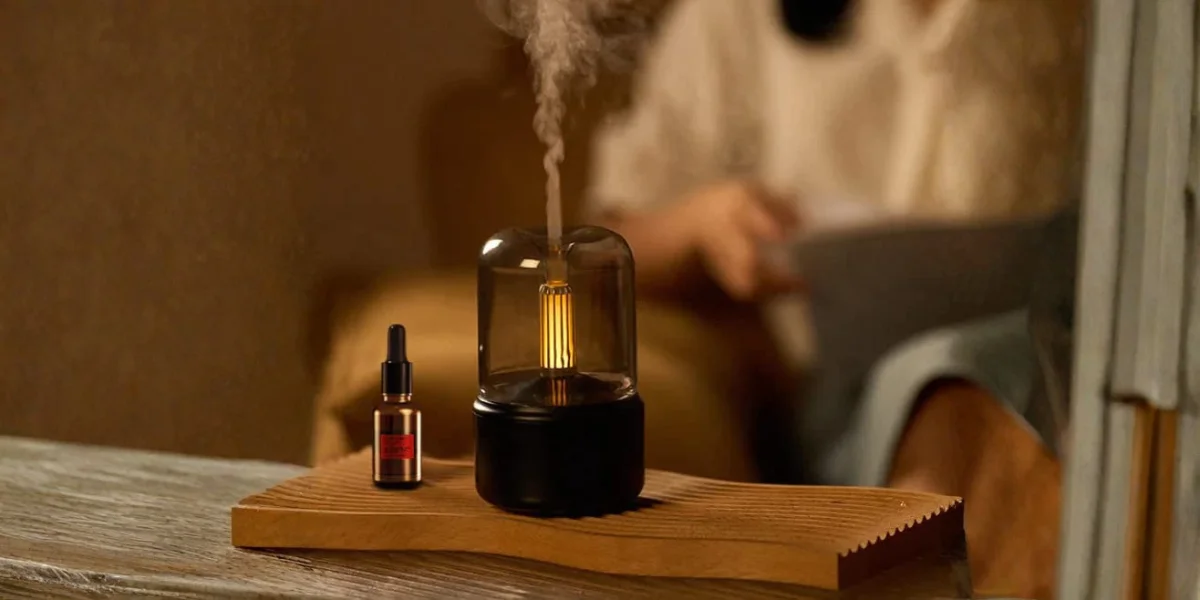
At its core, aromatherapy is a holistic healing treatment that uses natural plant extracts to promote health and well-being. Often called essential oil therapy, it uses aromatic essential oils medicinally to improve the health of the body, mind, and spirit.
While the term might sound like a modern spa trend, it’s actually a practice that dates back thousands of years to ancient civilizations like Egypt, China, and India. These cultures infused resins, balms, and oils for religious and medical purposes, recognizing that scents have a direct “hotline” to the brain’s limbic system the area responsible for emotions and memory.
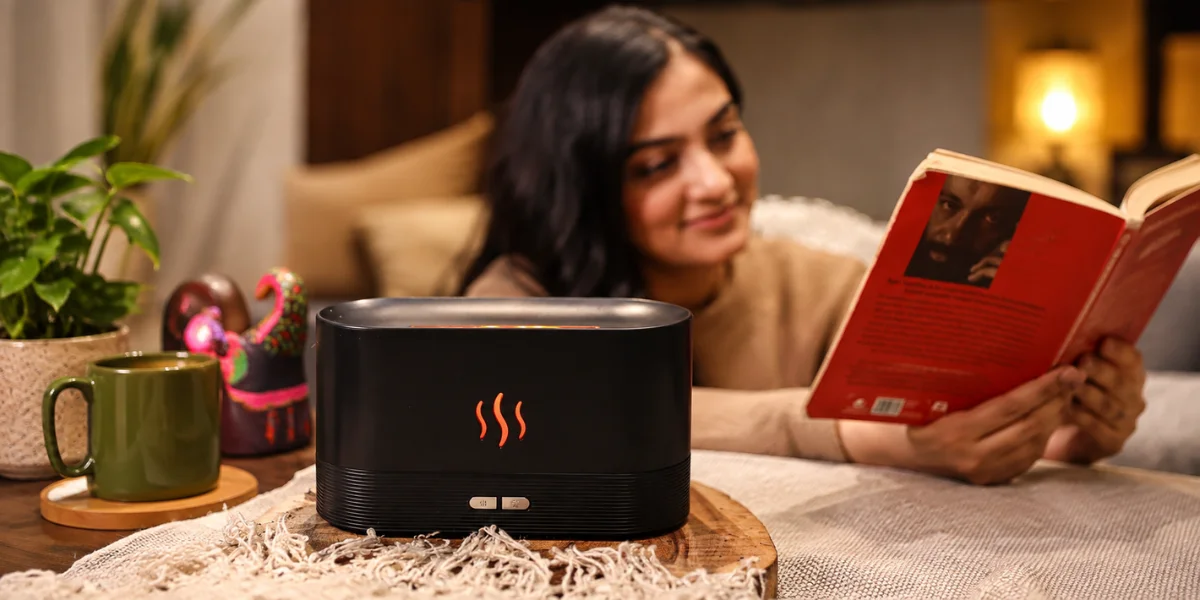
The most popular methods include electric diffusers, reed diffusers, scented candles, room sprays, and wax melts. The right choice depends on whether you want continuous fragrance, instant freshness, or a relaxing ambiance.
Room aromatherapy can be enjoyed through ultrasonic diffusers, reed diffusers, soy candles, aroma lamps, room sprays, and essential oil burners. Each method provides a unique fragrance experience and suits different spaces.
Ultrasonic diffusers provide continuous fragrance, reed diffusers offer low-maintenance scenting, candles create fragrance with ambience, and room sprays deliver instant freshness. Many homeowners combine several methods for a layered home fragrance experience.
Many people find that pleasant fragrances help create a calming, refreshing, or uplifting atmosphere. Individual experiences vary, but scent is closely connected with emotions and memories.
The Benefits of Room Aromatherapy
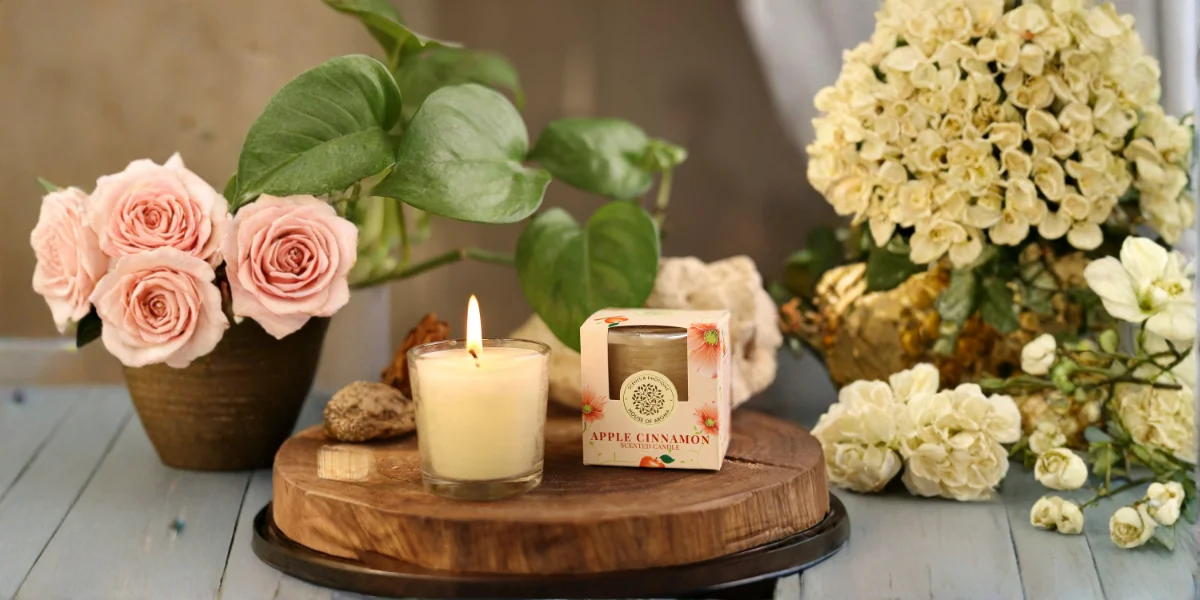
Why should you consider adding aroma products to your living space? The benefits extend far beyond just making a room “smell nice.”
1. Stress Reduction:
Specific scents like lavender and bergamot are scientifically proven to lower cortisol levels.
Specific scents like lavender and bergamot are scientifically proven to lower cortisol levels.
2. Enhanced Mood:
Citrus scents can provide an immediate “pick-me-up,” stimulating serotonin production.
Citrus scents can provide an immediate “pick-me-up,” stimulating serotonin production.
3. Improved Air Quality:
Many essential oils have antimicrobial properties that can help clear the air of certain bacteria and fungi.
Many essential oils have antimicrobial properties that can help clear the air of certain bacteria and fungi.
4. Cognitive Focus:
Scents like peppermint and rosemary are excellent for home offices, as they help improve concentration and memory retention.
Scents like peppermint and rosemary are excellent for home offices, as they help improve concentration and memory retention.
5. Aesthetic Ambiance:
Beyond the physical effects, high-quality home fragrance products like luxury candles or sleek diffusers add a decorative touch to your interior design.
Beyond the physical effects, high-quality home fragrance products like luxury candles or sleek diffusers add a decorative touch to your interior design.
Room aromatherapy helps create a welcoming atmosphere, supports relaxation, freshens indoor spaces, enhances home fragrance, and contributes to an enjoyable living environment through carefully selected essential oil aromas.
Many people use room aromatherapy to create peaceful surroundings that support relaxation, improve comfort, and promote a positive atmosphere throughout the home.
Some research suggests certain aromas may promote feelings of relaxation. Individual experiences vary, and aromatherapy should complement, not replace, professional healthcare.
Many people include calming fragrances such as Lavender, Chamomile-inspired scents, and Sandalwood as part of their evening routine to create a restful environment before bedtime.
How to Do Aromatherapy at Home
Starting your self-care journey with scent doesn’t have to be complicated. Here are the most effective ways to introduce fragrance into your home:
A basic setup includes an essential oil diffuser or reed diffuser, quality essential oils, and a fragrance suitable for the mood you want to create.
Yes. Many people begin with an electric diffuser, reed diffuser, room spray, or scented candle to enjoy aromatherapy without investing in expensive equipment.
Choose a quiet, well-ventilated area and combine an essential oil diffuser, calming fragrance, comfortable seating, and soft lighting to create a relaxing atmosphere.
Use quality essential oils, follow product instructions, ensure proper ventilation, keep products away from children and pets when appropriate, and never leave burning candles unattended.
1. Ultrasonic Diffusers
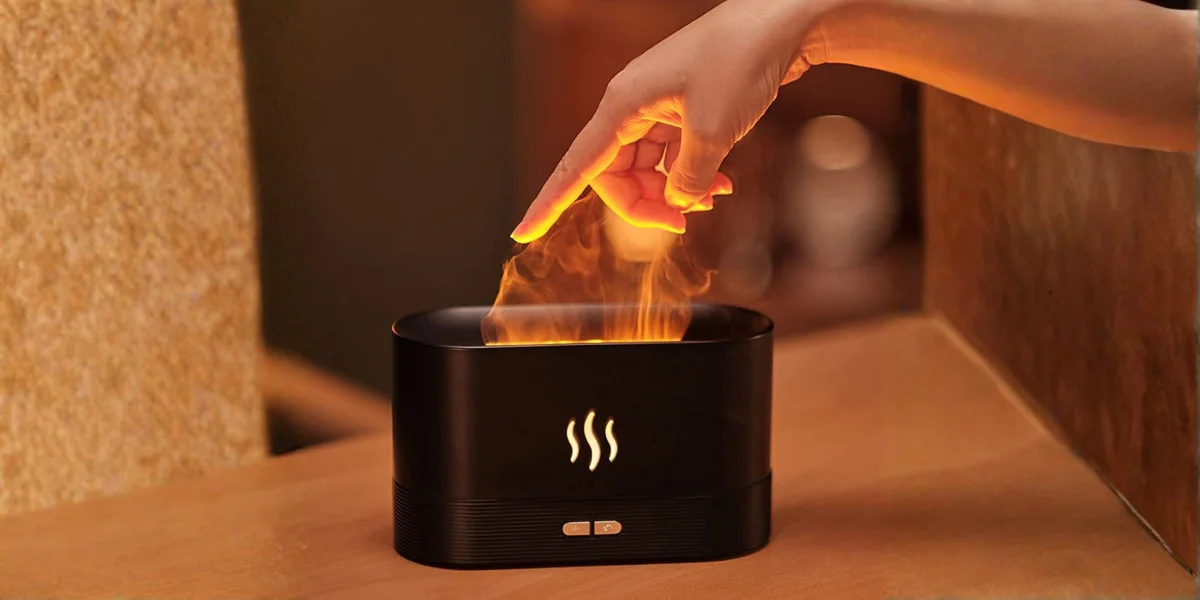
These are the gold standard for aromatherapy for rooms. They use water and electronic frequencies to create a fine mist of essential oils. This method keeps the chemical structure of the oil intact because no heat is used.
2. Reed Diffusers
If you prefer a constant, low-maintenance scent, reed diffusers are perfect aroma home fragrance products. The oil travels up the wooden reeds and evaporates into the air. They are ideal for bathrooms or entryways where you want a continuous “signature scent.”
3. Soy or Beeswax Candles
Candles provide the added benefit of “hygge” the Danish concept of coziness. Opt for natural waxes like soy or beeswax, as paraffin candles can release toxins that negate the health benefits of aromatherapy.
4. Room Sprays
For an instant refresh, a quick spritz of an essential oil-based room spray can change the energy of a room in seconds. This is great for refreshing linens or upholstery.
What Aromatherapy is Good for Sleep?
Sleep deprivation is a modern epidemic, but the right home fragrance products can act as a natural sedative. When your brain associates a specific scent with bedtime, it begins to trigger the relaxation response automatically.
• Pro Tip:
Create a “Sleep Ritual.” Diffuse your sleep blend 30 minutes before heading to bed to “prime” your environment.
Create a “Sleep Ritual.” Diffuse your sleep blend 30 minutes before heading to bed to “prime” your environment.
Lavender, Chamomile-inspired fragrances, Sandalwood, Cedarwood, and Vanilla are among the most popular choices for creating a calming evening environment.
Many people enjoy combining Lavender with Cedarwood, Sandalwood with Vanilla, or Lavender with Chamomile-inspired fragrances for a relaxing home atmosphere.
Lavender, Jasmine, Sandalwood, Cedarwood, Roman Chamomile, Vanilla, and Ylang-Ylang are commonly chosen for relaxing environments.
Use your diffuser about 30 minutes before relaxing, dim the lights, play calming music, and maintain the same fragrance routine each evening for consistency.
The Best Sleep Blends Include:
1. Lavender:
The undisputed king of relaxation.
The undisputed king of relaxation.
2. Cedarwood:
Its woody, grounding scent stimulates the production of melatonin.
Its woody, grounding scent stimulates the production of melatonin.
3. Roman Chamomile:
Known for its gentle, apple-like scent that calms the nervous system.
Known for its gentle, apple-like scent that calms the nervous system.
4. Valerian:
A heavy hitter for those with chronic insomnia (though the scent is very strong and often best blended with orange).
A heavy hitter for those with chronic insomnia (though the scent is very strong and often best blended with orange).
Which Scent is Best for a Bedroom?
While sleep is the priority, the bedroom is also a place for intimacy and relaxation. The “best” scent often depends on the mood you want to cultivate.
Mood | Recommended Scent | Why it works |
Deep Relaxation | Lavender & Ylang Ylang | Lowers heart rate and blood pressure. |
Romance | Jasmine & Sandalwood | Known aphrodisiacs that create a warm, sensual atmosphere. |
Fresh & Clean | Eucalyptus & Cotton | Gives the room a "luxury hotel" feel. |
Grounding | Vetiver & Patchouli | Helps quiet a racing mind after a long day. |
For a master bedroom, a Sandalwood and Vanilla combination is often cited as the most balanced, providing both comfort and a touch of sophistication.
Diffusers paired with Lavender, White Floral, Sandalwood, Vanilla, or Chamomile-inspired fragrances are popular choices for bedrooms.
Place the diffuser on a stable surface away from direct airflow, add compatible essential oils, and operate it before bedtime to create a relaxing atmosphere.
Many diffusers include timer settings and automatic shut-off features. Always follow the manufacturer’s instructions for safe overnight operation.
Many users run their diffuser for 30–60 minutes before bedtime or use intermittent timer settings according to the manufacturer’s recommendations.
What is the Best Essential Oil for a Room?
If you had to choose just one aroma home fragrance product to rule them all, Lavender is statistically the most versatile. However, if we look at specific needs, the “best” oil changes:
Fresh, citrus, floral, or green fragrances used in electric diffusers, candles, or reed diffusers help create a welcoming atmosphere in living rooms.
Large rooms benefit from electric diffusers, reed diffusers, and premium scented candles using long-lasting fragrance blends such as Sandalwood, Fresh Linen, Citrus, and White Floral.
Layer your home fragrance by combining reed diffusers for continuous scent, electric diffusers during active hours, and room sprays whenever an instant refresh is needed.
Choose calming fragrances, use an electric diffuser or scented candle, reduce harsh lighting, and create a peaceful environment with consistent fragrance throughout the space.
For the Living Room:
• Lemon or Lemongrass.
It smells clean, inviting, and energizing for guests.
It smells clean, inviting, and energizing for guests.
For the Bathroom:
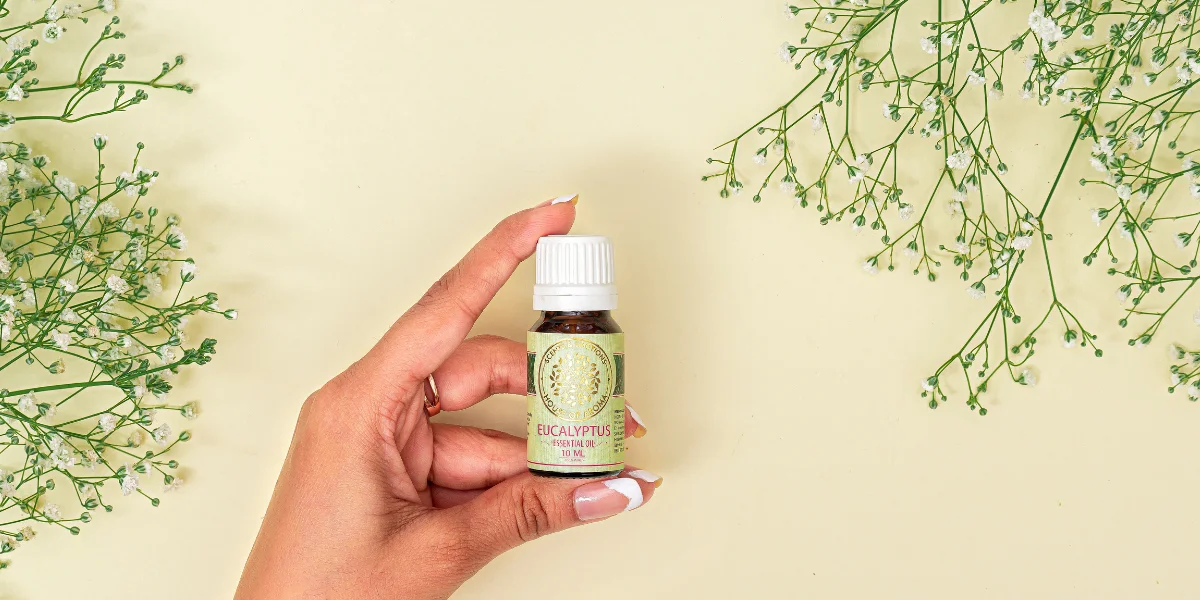
• Eucalyptus.
It provides a spa-like freshness and helps clear the sinuses during a hot shower.
It provides a spa-like freshness and helps clear the sinuses during a hot shower.
For the Home Office:
• Peppermint.
It increases oxygen flow to the brain and keeps you alert during the “afternoon slump.”
It increases oxygen flow to the brain and keeps you alert during the “afternoon slump.”
For the Kitchen:
• Cinnamon or Clove.
These warm scents effectively neutralize cooking odors and create a “home-baked” feel.
These warm scents effectively neutralize cooking odors and create a “home-baked” feel.
When shopping, always look for 100% Pure Therapeutic Grade oils. Avoid “fragrance oils,” which are synthetic and do not offer the biological benefits of true aromatherapy.
Safety and Best Practices
To get the most out of your self-care routine, keep these safety tips in mind:
1. Pet Safety:
Some oils, like tea tree and peppermint, can be toxic to cats and dogs. Always ensure the room is well-ventilated so pets can leave if the scent is too strong.
Some oils, like tea tree and peppermint, can be toxic to cats and dogs. Always ensure the room is well-ventilated so pets can leave if the scent is too strong.
2. Dilution:
If you transition from room fragrance to topical use, always dilute essential oils with a carrier oil (like jojoba or coconut oil).
If you transition from room fragrance to topical use, always dilute essential oils with a carrier oil (like jojoba or coconut oil).
3. Quality Matters:
Synthetic fragrances can cause headaches. Invest in high-quality aroma products from reputable brands.
Synthetic fragrances can cause headaches. Invest in high-quality aroma products from reputable brands.
Some essential oils are traditionally used to create a fresher indoor environment. While they contribute pleasant aromas, they should not replace proper ventilation or air purification systems.
Fragrance can influence how a space feels and may contribute to relaxation and emotional comfort. Individual responses differ, and aromatherapy is not a substitute for medical treatment.
Yes. Many people incorporate aromatherapy into morning routines, work sessions, evening relaxation, and bedtime rituals to create consistent and enjoyable home fragrance experiences.
Yes. Different fragrance families can be selected for bedrooms, living rooms, bathrooms, home offices, and entryways to match the purpose of each space.
Closure: Making Aromatherapy a Habit
Aromatherapy for rooms is more than just a decorative choice; it is a functional tool for emotional regulation. By choosing the right home fragrance products, you aren’t just changing the way your house smells you’re changing the way you feel within its walls.
Whether you are seeking a deep night’s sleep with lavender or a boost of morning energy with citrus, the power of scent is one of the easiest and most effective ways to practice daily self-care. Start small with one diffuser or a favorite candle, and notice how your environment begins to work for you, rather than against you.
FAQ's
Yes. Many homeowners choose calming scents for bedrooms, fresh fragrances for bathrooms, citrus for living rooms, and energizing aromas for home offices.
You can change fragrances whenever you want a different atmosphere. Cleaning the diffuser between fragrance changes helps maintain scent quality.
Home fragrance focuses on scenting a space, while aromatherapy traditionally uses aromatic plant extracts to create a sensory experience that may support relaxation or well-being.
Reed diffusers provide continuous fragrance for weeks, while electric diffusers, scented candles, and room sprays offer different durations depending on how they are used.
Use reed diffusers for constant fragrance, electric diffusers during the day, candles in the evening, and room sprays for quick refreshes to create a balanced fragrance experience.
Fresh Linen, Citrus, White Floral, Green Tea, and light woody fragrances are popular choices for creating a welcoming atmosphere.
Yes. Many people make aromatherapy part of their daily home fragrance routine by using diffusers, candles, or room sprays according to the product instructions.
Consider the purpose of each room, your fragrance preferences, the season, and the mood you want to create. Floral scents feel calming, citrus is energizing, and woody fragrances create warmth and sophistication.