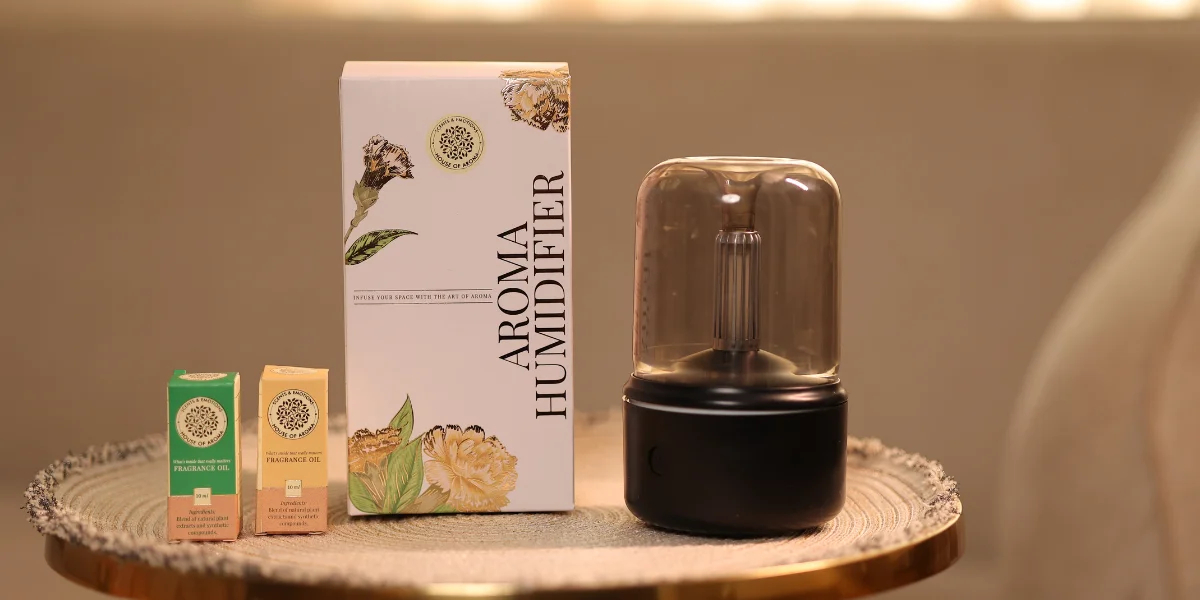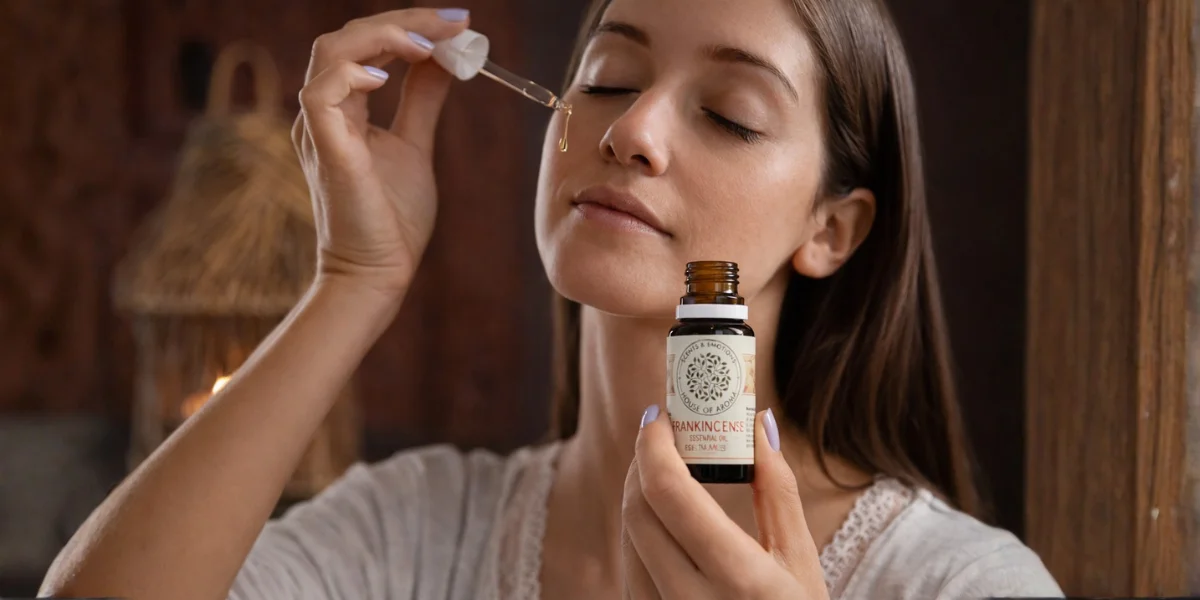

Fragrance oils and essential oils are both widely used to create beautiful scents in candles, diffusers, soaps, perfumes, personal-care products, and home fragrance products. Although they can sometimes smell similar, they are very different in terms of their ingredients, production methods, fragrance profiles, applications, and performance.
Understanding the difference between fragrance oils vs. essential oils can help you choose the right option for your home, personal use, or fragrance products. Essential oils are generally extracted from aromatic plants, while fragrance oils are formulated blends designed to deliver specific scents and performance characteristics.
But which one is better? The answer depends on how you plan to use the oil.
In this guide, we explain the key differences between fragrance oils and essential oils, how each is made, where they are used, how they perform in candles and diffusers, and what to consider before choosing one.
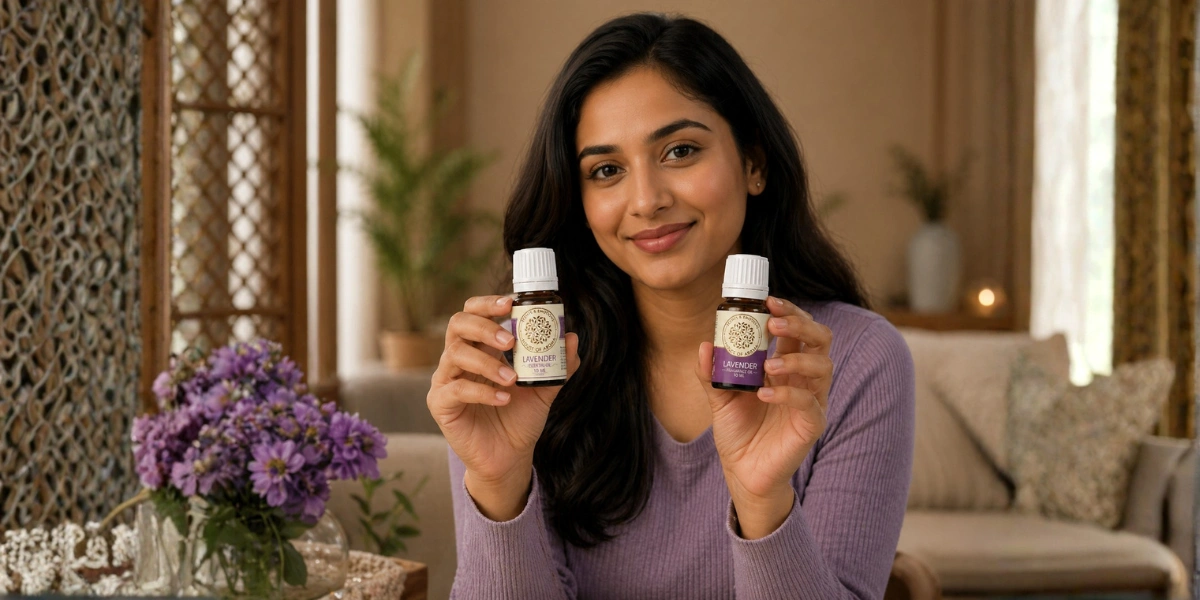
What Are Essential Oils?
Essential oils are concentrated aromatic extracts obtained from plants. They capture the characteristic scent of botanical materials such as flowers, leaves, fruits, roots, bark, seeds, and wood.
Common essential oils include lavender, peppermint, eucalyptus, lemon, tea tree, rosemary, sandalwood, and orange. Depending on the plant, essential oils may be extracted through methods such as steam distillation, cold pressing, or other specialized extraction techniques.
Because they originate from natural botanical sources, essential oils are often associated with natural living, aromatherapy, and plant-based fragrance products.
However, “natural” does not automatically mean that an essential oil is suitable for every application. Essential oils are highly concentrated and need to be used according to appropriate dilution and product-safety guidelines.
What are essential oils made from?
Essential oils are concentrated aromatic extracts obtained from plants, including flowers, leaves, fruits, roots, bark, seeds, and wood.
How are essential oils extracted from plants?
Common extraction methods include steam distillation and cold pressing, although the appropriate method depends on the botanical material.
Are essential oils always natural?
Authentic essential oils are derived from botanical sources, but the quality and purity of products can vary. It is important to check the product’s ingredients and sourcing information.
What are the most popular essential oils for home fragrance?
Lavender, eucalyptus, peppermint, lemon, orange, rosemary, and tea tree are among the commonly used essential oils for home fragrance and aromatherapy applications.
Can essential oils be used directly on the skin?
Many essential oils require dilution with a suitable carrier oil before topical use. Some can cause irritation or sensitivity when used improperly.
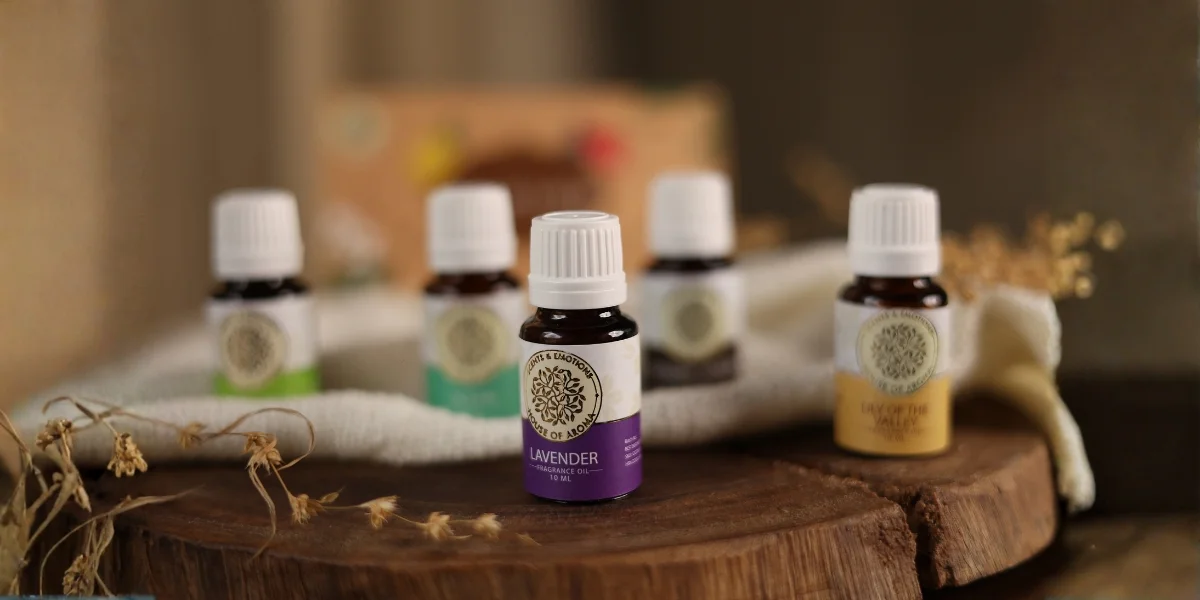
What Are Fragrance Oils?
Fragrance oils are scented oil blends formulated to produce a particular fragrance. They may contain a combination of aromatic ingredients, including synthetic fragrance molecules, natural extracts, or both.
Unlike essential oils, fragrance oils are not necessarily extracted directly from plants. Instead, they are created by fragrance specialists to achieve a specific scent, strength, consistency, or performance.
This allows fragrance oils to reproduce a wide variety of aromas that may be difficult or impossible to obtain consistently from essential oils alone.
For example, fragrance oils can be formulated to smell like vanilla, fresh linen, ocean breeze, baked goods, roses, sandalwood, amber, or complex luxury perfume blends.
They are particularly popular in products such as scented candles, wax melts, room sprays, soaps, perfumes, and other home-fragrance applications.
What are fragrance oils made from?
Fragrance oils are formulated blends of aromatic ingredients. Depending on the formulation, they may contain synthetic fragrance materials, natural extracts, or a combination of both.
Are fragrance oils synthetic?
Not necessarily. Some fragrance oils contain synthetic ingredients, while others may incorporate natural aromatic materials. The formulation depends on the manufacturer and intended application.
Why are fragrance oils popular for candles?
They offer a wide range of scent options and can be formulated for consistent fragrance performance in candle wax.
Can fragrance oils smell like natural ingredients?
Yes. Fragrance oils can be formulated to replicate the scent characteristics of flowers, fruits, woods, spices, baked goods, and many other natural or imagined aromas.
Do all fragrance oils have the same quality?
No. Quality varies according to the ingredients, formulation, manufacturing standards, intended application, and testing performed by the supplier.
Fragrance Oils vs. Essential Oils: The Key Difference
The biggest difference between fragrance oils and essential oils is their origin and formulation.
Essential oils are derived from aromatic botanical materials. Fragrance oils, on the other hand, are formulated fragrance blends that can use synthetic aromatic compounds, natural ingredients, or both.
The distinction becomes especially important when choosing an oil for a particular product.
| Feature | Essential Oils | Fragrance Oils |
|---|---|---|
| Primary source | Botanical materials | Formulated aromatic ingredients |
| Production | Extraction from plants | Blending/formulation |
| Fragrance range | Closely linked to available botanicals | Extremely broad |
| Scent consistency | Can vary by crop and source | Generally easier to standardize |
| Candle use | Depends on oil and formulation | Widely used in candle making |
| Aromatherapy use | Commonly associated with aromatherapy | Not automatically suitable for aromatherapy |
| Complex fragrance creation | More limited | Highly flexible |
| Cost | Can be higher for rare botanicals | Varies considerably |
| Scent longevity | Depends on the oil | Can be formulated for long-lasting fragrance |
| Product suitability | Must be checked for each application | Must be checked for each application |
The important point is that neither category is automatically “better.” The right choice depends on the intended application, formulation, safety requirements, and desired fragrance experience.
What is the main difference between fragrance oils and essential oils?
Essential oils are extracted from aromatic plants, while fragrance oils are formulated blends created to produce specific scents.
Are fragrance oils stronger than essential oils?
Not universally. Fragrance strength depends on the specific oil, concentration, formulation, product base, and application.
Which lasts longer, fragrance oil or essential oil?
There is no universal answer. Some fragrance oils are specifically formulated for longevity, while the performance of essential oils varies significantly by botanical and application.
Are fragrance oils and essential oils interchangeable?
No. They have different compositions and performance characteristics, so an oil should only be used in an application for which it is specifically formulated and approved.
Is one better than the other?
Neither is universally better. Essential oils may be preferred for botanical fragrance applications, while fragrance oils can provide greater flexibility and consistency for many scented products.
How Are Essential Oils and Fragrance Oils Made?
The production process is one of the most significant differences between the two.
Essential oils generally begin with aromatic plant material. Depending on the botanical fragrance, steam distillation or mechanical pressing may be used to separate aromatic compounds from the plant.
For example, citrus oils are commonly produced through pressing citrus peels, while many floral, herb, and woody oils are obtained through distillation or other extraction methods.
Fragrance oils follow a different process. Perfumers and fragrance formulators combine selected aromatic ingredients to create a desired fragrance profile. The formulation can include multiple fragrance molecules and, depending on the product, natural aromatic ingredients.
This approach gives fragrance developers considerable control over the final scent.
How are essential oils produced?
Essential oils are typically produced by extracting aromatic compounds from plant material through methods such as steam distillation or cold pressing.
How are fragrance oils manufactured?
Fragrance oils are created by blending selected aromatic ingredients according to a specific fragrance formulation.
Why can’t every plant produce essential oil easily?
Not every plant contains enough suitable volatile aromatic compounds to produce a commercially practical essential oil.
Can fragrance oils contain natural ingredients?
Yes. Some fragrance formulations can include natural extracts or essential oils alongside other aromatic ingredients.
Why are fragrance oils formulated instead of extracted?
Formulation allows fragrance creators to develop precise scent profiles, improve consistency, and create aromas that may not be available naturally.
Fragrance Performance: Which One Smells Better?
“Smells better” is subjective. What one person considers fresh and relaxing, another person may find too strong or too herbal.
Essential oils generally retain the characteristic aroma of their botanical source. This can create natural, distinctive scent profiles.
Fragrance oils provide considerably more creative freedom. A fragrance designer can combine different aromatic notes to create a specific experience, such as a luxury hotel scent, fresh laundry aroma, warm vanilla, festive spices, or an elaborate floral bouquet.
Fragrance oils can also be designed with different scent structures, including top, middle, and base notes.
For home fragrance products, this flexibility can be particularly useful when creating a recognizable signature scent.
Which smells more natural, fragrance oil or essential oil?
Essential oils generally smell more directly like their botanical source, while fragrance oils can be formulated to create naturalistic or highly creative scent profiles.
Can fragrance oils create luxury perfume scents?
Yes. Fragrance oils can combine multiple aromatic notes to create sophisticated floral, woody, oriental, gourmand, fresh, or modern fragrance profiles.
Why do some essential oils smell different from the plant itself?
Extraction concentrates selected volatile compounds, so the resulting essential oil may smell more intense or different from the fresh plant.
What makes a fragrance smell long-lasting?
Longevity depends on factors such as the aromatic materials used, volatility, concentration, formulation, product base, and environmental conditions.
Which oil is better for creating a signature home fragrance?
Fragrance oils often provide greater formulation flexibility, making them useful for creating consistent and distinctive signature scents.
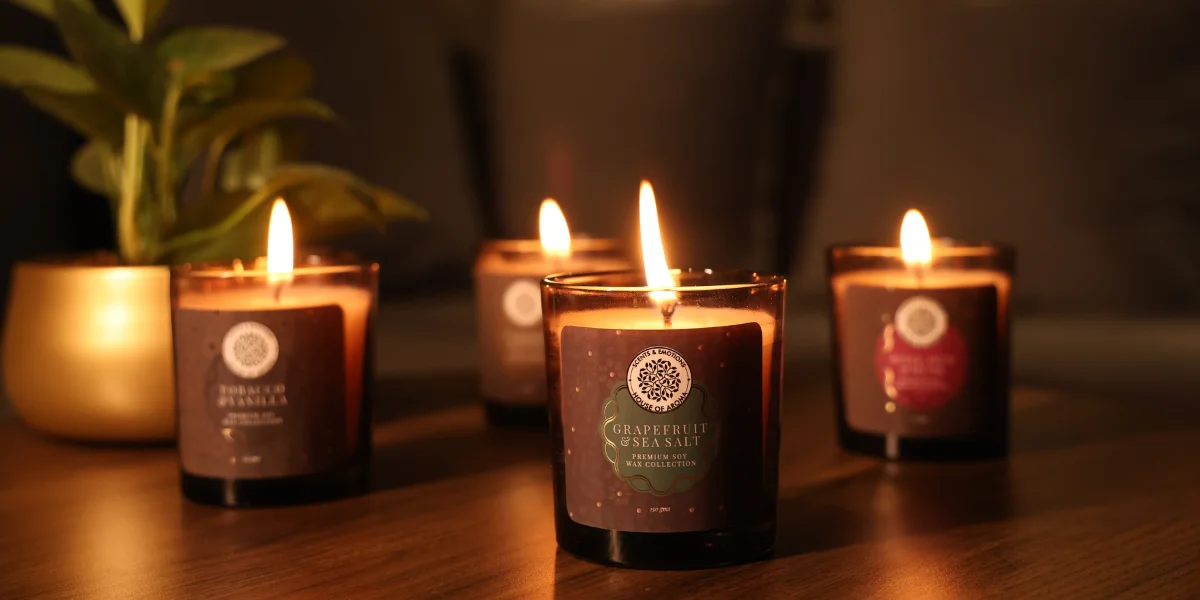
Fragrance Oils vs. Essential Oils for Candles
When it comes to scented candles, choosing between fragrance oils and essential oils requires more than simply considering how the oil smells.
Aromatic candles are exposed to heat, so the fragrance material must perform appropriately in wax and during burning.
Fragrance oils are widely used in candle making because they can be formulated for candle applications and designed to perform in wax. They also offer a broad selection of scents, from floral and fruity aromas to bakery, woody, fresh, and seasonal fragrances.
Some essential oils can also be used in candles, but not every essential oil performs equally well in wax. Certain essential oils may have weaker scent throw, change character when heated, or require careful formulation.
For candle makers, the most important consideration is whether the specific fragrance material is tested and recommended for candle use.
Are fragrance oils better for scented candles?
Fragrance oils are commonly used in scented candles because many are specifically formulated and tested for candle applications.
Can essential oils be used in candles?
Some essential oils can be used in candles, but their suitability and performance should be evaluated individually.
What is scent throw in a candle?
Scent throw describes how effectively a candle releases fragrance into its surroundings, both when unlit and while burning.
Why do some essential oils have weak scent throw in candles?
Certain essential oils may be highly volatile or may not perform strongly in a heated wax environment.
How do I choose fragrance oil for candle making?
Choose a fragrance oil specifically approved or recommended by its supplier for candle use, and follow the manufacturer’s usage and safety guidelines.

Fragrance Oils vs. Essential Oils for Diffusers
Both essential oils and fragrance oils can be associated with diffusers, but the type of diffuser matters.
Essential oil diffuser are commonly used in aromatherapy diffusers designed specifically for essential oils. These products are generally intended to disperse suitable essential oils into the surrounding air.
Fragrance oils may be used in certain home-fragrance diffuser systems, such as reed diffusers, provided the fragrance oil is specifically formulated for that application and compatible with the diffuser base.
This distinction is important because not every oil is suitable for every diffuser.
Using an oil in a system for which it was not designed can affect performance, materials, scent diffusion, and safety.
Can essential oils be used in a diffuser?
Yes, many essential oils are commonly used in diffusers designed for essential oils, provided they are used according to the diffuser and oil manufacturer’s instructions.
Can fragrance oils be used in reed diffusers?
Yes, fragrance oils specifically formulated for reed diffuser applications can be used with a compatible diffuser base.
Can I use candle fragrance oil in an essential oil diffuser?
Not automatically. Candle fragrance oils should not be assumed to be suitable for an essential oil diffuser.
Which oil is better for a home diffuser?
The best option depends on the diffuser system. Essential oils are commonly selected for aromatherapy diffusers, while suitable fragrance formulations are often used for reed and other home-fragrance systems.
Why is diffuser compatibility important?
Different oils and diffuser systems have different formulation and material requirements, so compatibility helps ensure appropriate performance and safe use.
Are Essential Oils Better for Aromatherapy?
Essential oils are strongly associated with aromatherapy because they are derived from aromatic botanical sources and are traditionally used in various aromatherapy practices.
However, aromatherapy should not be confused with simply making a room smell pleasant. Essential oils are concentrated substances, and responsible use involves understanding dilution, exposure, individual sensitivities, and appropriate application methods.
Fragrance oils are generally designed primarily for fragrance purposes. A fragrance oil should not be described as an aromatherapy oil simply because it smells relaxing or contains a pleasant scent.
If aromatherapy is the goal, choose products specifically intended for that purpose and follow appropriate usage instructions.
Why are essential oils commonly used in aromatherapy?
Essential oils contain concentrated aromatic compounds derived from plants and have a long history of use in aromatherapy practices.
Can fragrance oils be used for aromatherapy?
Fragrance oils should not automatically be considered aromatherapy products. Their intended use and formulation must specifically support that application.
Are essential oils safe for everyone?
No. Individual sensitivities and appropriate dilution or exposure considerations matter, so essential oils should be used according to reliable safety guidance.
Can essential oils be mixed together for aromatherapy?
Certain essential oils can be blended, but compatibility, concentration, intended application, and individual safety considerations should be taken into account.
What should I check before buying essential oils for aromatherapy?
Check the botanical name, ingredients, intended use, manufacturer information, quality documentation, and recommended method of use.
Which Is More Affordable: Fragrance Oil or Essential Oil?
Price varies considerably for both categories.
Essential oils can become expensive when they require large quantities of plant material, specialized extraction, or botanicals that are difficult to cultivate or harvest.
For example, certain floral, woody, or rare botanical oils can have significantly higher prices than commonly available citrus or herb oils.
Fragrance oils have a different cost structure because they are formulated from selected aromatic ingredients. This can make it possible to create certain scent profiles at different price points.
However, price alone should not determine quality.
When purchasing either type of oil, consider purity, intended application, formulation, safety documentation, sourcing, consistency, and manufacturer reputation.
Are essential oils more expensive than fragrance oils?
They can be, particularly when they are made from rare botanicals or require resource-intensive extraction, but prices vary by product.
Why are some essential oils expensive?
Cost can be influenced by the availability of the plant, amount of botanical material required, cultivation conditions, extraction method, and production yield.
Are inexpensive essential oils necessarily low quality?
Not necessarily, but unusually low prices can warrant closer attention to ingredients, sourcing, purity, and quality information.
Are fragrance oils cheaper for candle making?
They can offer cost-effective options for candle fragrance, but the actual price depends on the formulation, quality, concentration, and supplier.
Should price be the main factor when choosing fragrance oil?
No. Application suitability, safety, performance, formulation quality, and reliable product information are equally important.
How to Choose Between Fragrance Oils and Essential Oils
The right choice depends primarily on what you want to achieve.
Choose essential oils when:
- You specifically want botanical-derived aromatic ingredients.
- You are looking for oils commonly used in aromatherapy.
- You prefer individual botanical scents.
- You want a plant-derived fragrance ingredient for an appropriate application.
- You are comfortable following specific dilution and usage guidelines.
Choose fragrance oils when:
- You want a broader range of fragrance options.
- You need a specific or complex fragrance profile.
- You are creating scented candles or wax products.
- You want consistent fragrance performance.
- You need a fragrance designed specifically for a particular product application.
For businesses creating candles, diffusers, soaps, or other scented products, always select fragrance materials according to the requirements of the finished product.
Should I choose fragrance oil or essential oil for my home?
Choose based on the product and intended experience. Essential oils are commonly selected for aromatherapy applications, while suitable fragrance oils can provide a broader range of home-fragrance scents.
Which oil is better for scented candles?
A fragrance material specifically formulated and tested for candle use is generally the better choice for predictable candle fragrance performance.
Which oil is better for aromatherapy?
Essential oils are the traditional choice for aromatherapy when used appropriately and according to safety guidance.
What should I consider before buying fragrance oil?
Consider the intended application, fragrance profile, formulation, recommended usage level, safety information, and supplier quality standards.
Can the same oil be used in candles, diffusers, and skincare products?
No. An oil suitable for one application should not automatically be assumed to be suitable for another. Always check the manufacturer’s intended-use and safety information.
Fragrance Oils vs. Essential Oils: Which One Should You Use?
There is no single winner in the debate between fragrance oils vs. essential oils. Each serves a different purpose.
Essential oils are plant-derived aromatic extracts valued for their distinctive botanical character and common use in aromatherapy and natural fragrance applications.
Fragrance oils are formulated fragrance blends that provide greater flexibility when developing specific scents and are widely used across candles, reed diffusers, soaps, perfumes, and other fragranced products.
If your priority is a botanical-derived aroma and an aromatherapy application, an appropriate essential oil may be the better fit. If you want a highly specific fragrance, consistent performance, or a wider choice of scents for a product such as a candle or home fragrance, a suitable fragrance oil may be more practical.
The most important rule is simple: choose the oil according to the intended application, not simply according to whether it is labelled “natural” or “synthetic.”
Quality, formulation, safety, compatibility, and correct usage all matter when selecting a fragrance ingredient.
What is better for home fragrance: fragrance oil or essential oil?
Both can be suitable depending on the product. Essential oils work well in appropriate aromatherapy applications, while fragrance oils offer a wider range of scents for many home-fragrance products.
What is better for candles: essential oils or fragrance oils?
A fragrance oil specifically formulated and tested for candle use is often the practical choice because it can provide predictable fragrance performance in wax.
What is better for aromatherapy: fragrance oils or essential oils?
Essential oils are the conventional choice for aromatherapy because they are derived from aromatic plants and are specifically used in aromatherapy practices.
Are fragrance oils and essential oils equally safe?
Safety depends on the specific ingredient, concentration, formulation, route of exposure, and intended application. Always follow product-specific safety instructions.
How can I tell whether an oil is suitable for my product?
Check the manufacturer’s technical information, recommended applications, usage limits, safety documentation, and compatibility with the intended product base.
Conclusion
The difference between fragrance oils and essential oils comes down to source, formulation, fragrance flexibility, performance, and intended use.
Essential oils are concentrated botanical extracts with distinctive plant-based aromas. Fragrance oils are carefully formulated blends that can reproduce natural scents or create entirely new fragrance experiences.
For aromatherapy and botanical fragrance applications, essential oils are commonly preferred. For candles, reed diffusers, wax melts, and other home-fragrance products, appropriately formulated fragrance oils can offer excellent flexibility, consistency, and scent variety.
Rather than asking which oil is universally better, ask a more useful question: Which oil is right for the product and experience I want to create?
Understanding that distinction makes it easier to select the right fragrance ingredient, use it responsibly, and achieve the desired scent experience.
Can fragrance oils and essential oils be blended together?
Yes, they can sometimes be blended, but the combination should be suitable for the intended application. The oils may have different solubility, stability, and performance characteristics, so formulation testing is recommended.
Do fragrance oils contain alcohol?
Fragrance oils themselves are not necessarily alcohol-based. Their composition depends on the formulation and intended application. Some finished fragrance products, such as perfumes or room sprays, may contain alcohol as a separate ingredient.
Do essential oils expire?
Yes. Essential oils can gradually change in aroma and composition over time due to oxidation, light, heat, and exposure to air. Proper storage in tightly sealed, light-resistant containers can help maintain their quality.
How should fragrance oils be stored?
Fragrance oils should generally be kept tightly closed and stored in a cool, dry place away from direct sunlight and excessive heat. Always follow the storage recommendations provided by the manufacturer.
Why does the same fragrance smell different in different products?
A fragrance can smell different depending on the product base, concentration, temperature, surrounding environment, and other ingredients. Wax, diffuser bases, soap bases, and cosmetic formulations can each affect how a fragrance develops.
Can fragrance oils lose their scent over time?
Yes. Fragrance oils can change or weaken over time depending on their formulation and storage conditions. Exposure to heat, light, air, and unsuitable storage conditions can affect fragrance quality.
Why do some fragrances smell stronger than others?
Fragrance strength depends on the aromatic ingredients, concentration, volatility, product base, formulation, and environment. A stronger-smelling fragrance is not necessarily a higher-quality fragrance.
Can essential oils change the colour of a finished product?
Yes. Some essential oils naturally contain compounds or pigments that may affect the colour of candles, soaps, cosmetics, or other products. The extent of the change depends on the specific essential oil and formulation.
Why is fragrance testing important before making a finished product?
Testing helps determine how an oil behaves in the intended product, including its scent profile, stability, compatibility, appearance, and overall performance. This is especially important when developing candles, diffusers, cosmetics, or other fragranced products.
How can consumers identify a high-quality fragrance oil or essential oil?
Look for clear ingredient information, intended-use instructions, manufacturer details, appropriate safety information, batch or product information where applicable, and transparent guidance about how the oil should be used. Quality should be assessed based on reliable product information rather than price or the word “natural” alone.