How to Choose Fragrance Oil for Candles
The journey to creating a signature scent starts with understanding How to Choose Fragrance Oil for Candles that align with your specific wax type and brand identity. You must look beyond the initial aroma and evaluate the chemical compatibility of the oil. High-quality oils are specifically formulated to bind with wax molecules, ensuring that the scent remains stable during the heating process. Selecting the right oil involves researching supplier data sheets, checking for IFRA compliance, and understanding the intended application.Flash Point of Oil
When learning How to Choose Fragrance Oil for Candles, you must pay close attention to the Flash Point of Oil. This is the temperature at which the oil’s vapors can ignite if exposed to an open flame. While this is primarily a safety concern for shipping, it also affects how you mix your ingredients. Adding oils with a low flash point to very hot wax can cause the delicate top notes to “burn off” before the candle even sets, resulting in a weak final product.Candle Scent Throw
The ultimate test of any handmade product is the Candle Scent Throw. This term refers to how effectively the fragrance fills a space. A “cold throw” is the scent emitted while the candle is unlit, while a “hot throw” is the aroma released during the burn. To achieve a professional-grade Candle Scent Throw, you must balance the fragrance load usually between 6% and 10% with the correct wick size to ensure the fragrance oil is vaporized efficiently into the air.Fragrance Pyramid
To truly master How to Choose Fragrance Oil for Candles, you must understand the Fragrance Pyramid. This structure consists of top, middle, and base notes. Top notes are the first scents you perceive but evaporate quickly. Middle notes, or the “heart,” provide the main character of the scent. Base notes are the heaviest molecules that linger longest. A well-balanced Fragrance Pyramid ensures your candle smells complex and sophisticated from the moment it is lit until the very end of the burn.Fragrance Oil Blending Chart for Candles
Using a Fragrance Oil Blending Chart for Candles is the best way to experiment with custom scents without wasting expensive supplies. These charts help you visualize how different families such as woody, floral, or citrus interact with one another. By referencing a Fragrance Oil Blending Chart for Candles, you can ensure your ratios are mathematically sound, helping you maintain a consistent fragrance load while creating unique, proprietary blends that set your candle brand apart from the competition.Choosing Fragrance
Finalizing your selection for Choosing Fragrance requires a mix of market research and personal intuition. Consider the season, the psychological mood you want to evoke, and the preferences of your target audience. Whether you are Choosing Fragrance notes that are calming like lavender or energizing like eucalyptus, always perform small-batch testing first. This ensures the oil performs well with your specific wax and wick combination before you commit to a large-scale production run.
Choosing the right fragrance oil is the most critical step in candle making. It is the difference between a candle that merely looks pretty and one that fills a room with a captivating, professional-grade scent.
This guide will walk you through everything you need to know about how to choose fragrance oil for candles, from understanding chemical compositions to mastering “scent throw.”
1. Understanding Fragrance Oil vs. Essential Oils
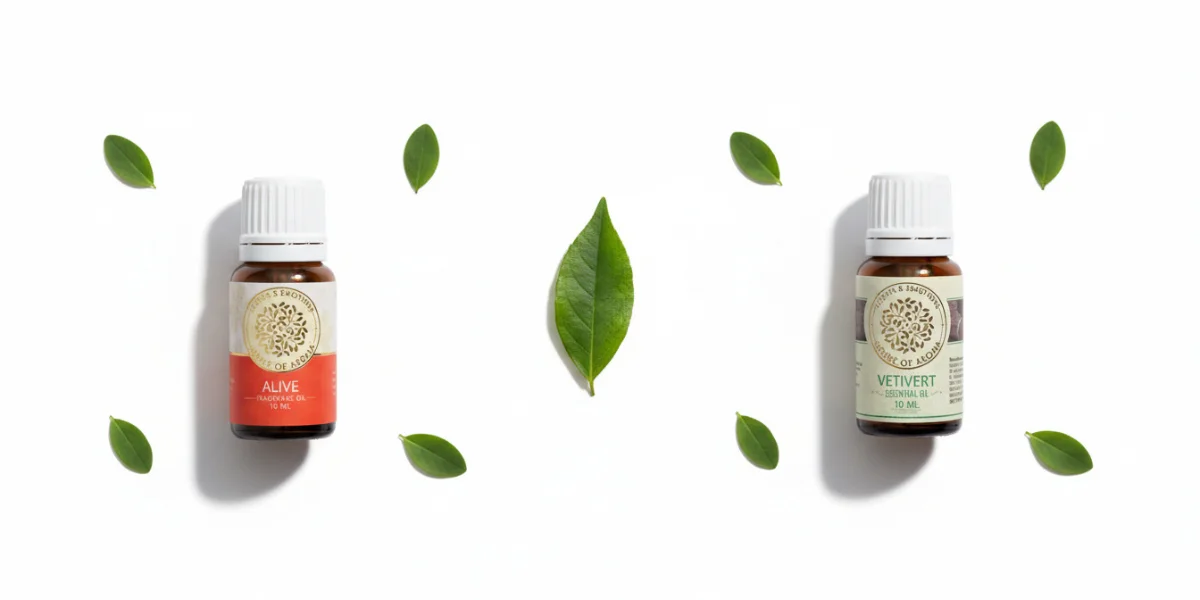
Before diving into scents, you must understand the medium. While beginners often reach for essential oils because they are “natural,” they aren’t always the best choice for candles.
1. Fragrance Oils:
These are synthetically created or a mix of natural and synthetic compounds. They are specifically engineered to handle the high heat of molten wax and provide a strong scent.
These are synthetically created or a mix of natural and synthetic compounds. They are specifically engineered to handle the high heat of molten wax and provide a strong scent.
2. Essential Oils:
These are plant-derived. While they smell beautiful, many have low flash points, meaning the scent can “burn off” or change unpleasantly when exposed to a flame.
These are plant-derived. While they smell beautiful, many have low flash points, meaning the scent can “burn off” or change unpleasantly when exposed to a flame.
• The Verdict:
For consistent, powerful results, high-quality fragrance oils designed specifically for candle making are the industry standard.
For consistent, powerful results, high-quality fragrance oils designed specifically for candle making are the industry standard.
2. Check the "Flash Point."
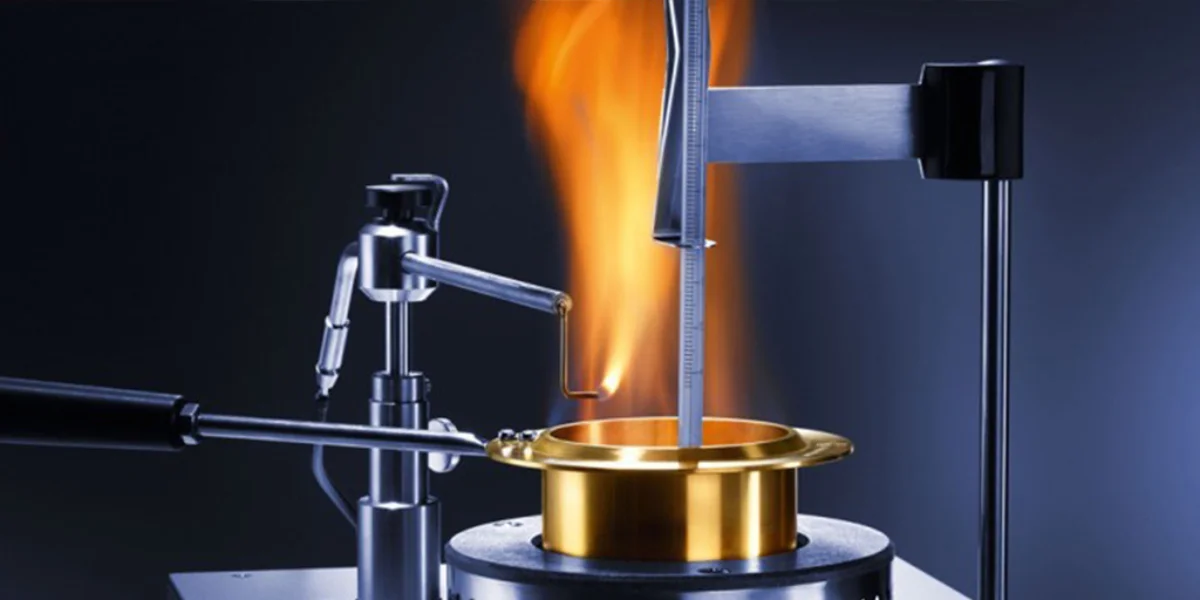
The flash point is the temperature at which a fragrance oil’s vapor can ignite if exposed to an open flame. While this doesn’t mean your candle will explode, it matters for your process.
1. Low Flash Point (<130°F):
Better for “cold” applications like reed diffusers or soaps, but can be tricky for candles.
Better for “cold” applications like reed diffusers or soaps, but can be tricky for candles.
2. High Flash Point (>170°F):
Generally preferred for candle making, as you can stir them into hot wax without losing the delicate top notes of the scent.
Generally preferred for candle making, as you can stir them into hot wax without losing the delicate top notes of the scent.
3. Prioritize "Candle Scent Throw."
In the candle world, “throw” refers to how well the fragrance travels. You need to consider both stages:
Cold Throw
This is how the candle smells when it is sitting on a shelf, unlit. A strong cold throw is what sells a candle in a retail environment.
Hot Throw
This is the holy grail of candle making: how the candle smells while burning. A great fragrance oil must be stable enough to evaporate slowly and fill a room without becoming cloying or “chemical-looking.”
Pro Tip:
Not all oils work with all waxes. A fragrance that smells amazing in paraffin might barely be noticeable in soy wax. Always check the manufacturer’s notes for “Soy Performance.”
4. Analyze the Fragrance Pyramid
A high-quality fragrance oil is rarely just one scent. Like a fine perfume, it is built in three layers:
1. Top Notes:
The first impression (e.g., citrus, light fruits). These evaporate quickly.
The first impression (e.g., citrus, light fruits). These evaporate quickly.
2. Middle (Heart) Notes:
The core of the fragrance (e.g., florals, spices). These emerge after the top notes fade.
The core of the fragrance (e.g., florals, spices). These emerge after the top notes fade.
3. Base Notes:
The lingering scent (e.g., vanilla, musk, wood). These provide the “body” of the candle and last the longest.
The lingering scent (e.g., vanilla, musk, wood). These provide the “body” of the candle and last the longest.
When choosing an oil, look for complex descriptions. A scent labeled simply “Apple” will smell flat compared to one labeled “Crisp Orchard Apple with notes of Cedar and Clove.”
5. Match the Oil to Your Wax Type - fragrance oil blending chart for candles
Your choice of wax dictates how much fragrance oil you can use (the “fragrance load”).
Wax Type | Average Fragrance Load | Characteristics |
Paraffin | 6% – 10% | Excellent scent throw; holds oil easily. |
Soy Wax | 7% – 12% | Cleaner burn; requires more oil for a strong throw. |
Coconut Wax | 8% – 12% | Creamy texture; amazing hot throw. |
Beeswax | Hard to scent due to its natural honey aroma. | If you add more oil than the wax can hold, the oil will "bleed" out of the candle, creating a fire hazard. |
6. Safety and Quality Standards (IFRA & Phthalates)
When choosing a supplier, look for two specific safety indicators:
1. IFRA Compliance:
The International Fragrance Association sets standards for safety. Ensure your supplier provides an IFRA certificate.
The International Fragrance Association sets standards for safety. Ensure your supplier provides an IFRA certificate.
2. Phthalate-Free:
Phthalates are often used as plasticizers. While common in the past, modern premium candle makers prefer “phthalate-free” oils to ensure a cleaner, healthier burn for the end consumer.
Phthalates are often used as plasticizers. While common in the past, modern premium candle makers prefer “phthalate-free” oils to ensure a cleaner, healthier burn for the end consumer.
7. Selecting Scents Based on Season and Psychology
Scent is deeply tied to memory and mood. When building your candle line, choose fragrance oils that fit specific “vibes”:
1. Spring/Summer:
Look for ozone, sea salt, citrus, and light florals (e.g., Jasmine, Grapefruit).
Look for ozone, sea salt, citrus, and light florals (e.g., Jasmine, Grapefruit).
2. Fall/Winter:
Opt for “heavy” notes like amber, sandalwood, cinnamon, and pine.
Opt for “heavy” notes like amber, sandalwood, cinnamon, and pine.
3. Year-Round Best Sellers:
Vanilla, Lavender, and “Clean Linen” scents are consistently the highest-selling fragrances globally.
Vanilla, Lavender, and “Clean Linen” scents are consistently the highest-selling fragrances globally.
8. The Testing Process: Start Small
Never buy a 16oz bottle of a new fragrance until you’ve tested it. Most reputable suppliers offer 1oz sample sizes.
1. Make a Test Candle:
Use your standard wax and wick.
Use your standard wax and wick.
2. Cure Time:
Let the candle sit for at least 1-2 weeks. This is vital for soy wax, as the fragrance needs time to “bind” to the wax molecules.
Let the candle sit for at least 1-2 weeks. This is vital for soy wax, as the fragrance needs time to “bind” to the wax molecules.
3. The Burn Test:
Light the candle in a draft-free room and evaluate the hot throw after two hours.
Light the candle in a draft-free room and evaluate the hot throw after two hours.
9. Calculating Your Fragrance Oil
To ensure accuracy, always measure fragrance oil by weight, not volume. Different oils have different densities.
The standard formula for a 10% fragrance load is:
$$\text{Weight of Wax} \times 0.10 = \text{Weight of Fragrance Oil}$$
For example, if you are using 16oz of wax, you would add 1.6oz of fragrance oil.
Summary Checklist for Choosing Fragrance Oil
1. Is it specifically formulated for candles (not just “skin safe”)?
2. Is it Phthalate-free?
3. Does it have a high flash point (if using hot wax)?
4. Does the supplier provide a “Soy Performance” rating (if using soy)?
5. Do the top, middle, and base notes align with your brand’s “vibe”?
Choosing the right fragrance oil is a blend of science and art. By focusing on high-quality, IFRA-compliant oils and rigorous testing, you can create candles that don’t just smell good in the jar; they transform the atmosphere of a home.
FAQ's
The “best” oil depends on your wax type, but generally, the best fragrance oil for candle making is one that is 100% concentrated, IFRA-compliant, and phthalate-free. Premium suppliers like Candle Science, Flaming Candle, or specialized wholesale vendors offer oils specifically engineered to survive high temperatures. For beginners, Vanilla, Lavender, and Sandalwood are considered the best because they are chemically stable and universally loved by consumers.
You can get fragrance oils for candles from specialized candle-making suppliers rather than general craft stores. Reputable online vendors include Candle Science, The Flaming Candle, Bramble Berry, and Lone Star Candle Supply. For those in specific regions, local wholesalers like Hiya India or Shiva Exports provide bulk options. Buying from specialists ensures you receive a Certificate of Analysis (COA) and safety data sheets for every scent.
To make a fragrance candle, start by melting your wax (soy, paraffin, or coconut) in a double boiler. Once the wax reaches approximately 185°F, remove it from the heat and stir in your chosen fragrance oil. Stir gently for at least two minutes to ensure the oil and wax bond at a molecular level. Finally, center your wick in a container, pour the mixture slowly, and let it cure for at least 7-14 days to develop the full scent profile.
You should always measure fragrance oil for candles by weight (grams or ounces) using a digital scale, never by volume (drops or teaspoons). Because different oils have different densities for example, a heavy vanilla oil weighs more than a light citrus oil volume measurements are inaccurate. Using a scale ensures you maintain a consistent “fragrance load” across every batch, leading to professional-quality results every time.
The industry standard is to use 1 ounce of fragrance oil per 1 pound of wax, which is roughly a 6% fragrance load. Most natural waxes like soy or coconut can handle up to 10% (about 1.6 oz per pound), while paraffin can sometimes go slightly higher. However, adding too much oil can cause “sweating” or soot, so it is best to stay within the manufacturer’s recommended limits for your specific wax.
To get the best scent throw when making candles, you must master three variables: temperature, stirring, and curing. Add your oil at 185°F to ensure it binds properly without evaporating. Stir consistently for two minutes. Finally, give your candles a long “cure time” at least two weeks for soy wax. This allows the fragrance to fully saturate the wax crystals, resulting in a powerful aroma when the candle is finally lit.
The correct way to put fragrance oil in candles is to add it to liquid wax that has been removed from the heat source. Never add oil to wax that is still on a burner, as this can be a fire hazard if the oil’s flash point is low. Use a whisk or spatula to stir the oil into the wax thoroughly. Ensure your container is pre-warmed to room temperature before pouring to prevent the wax from cooling too quickly, which can trap the scent.
Yes, you can mix different fragrance oils for candles to create a “signature scent.” When blending, follow the 30/50/20 rule: 30% top notes (citrus/herbs), 50% middle notes (florals/spices), and 20% base notes (woods/musk). Always test your custom blends on a blotter strip first to see how the scents interact before committing them to a full batch of