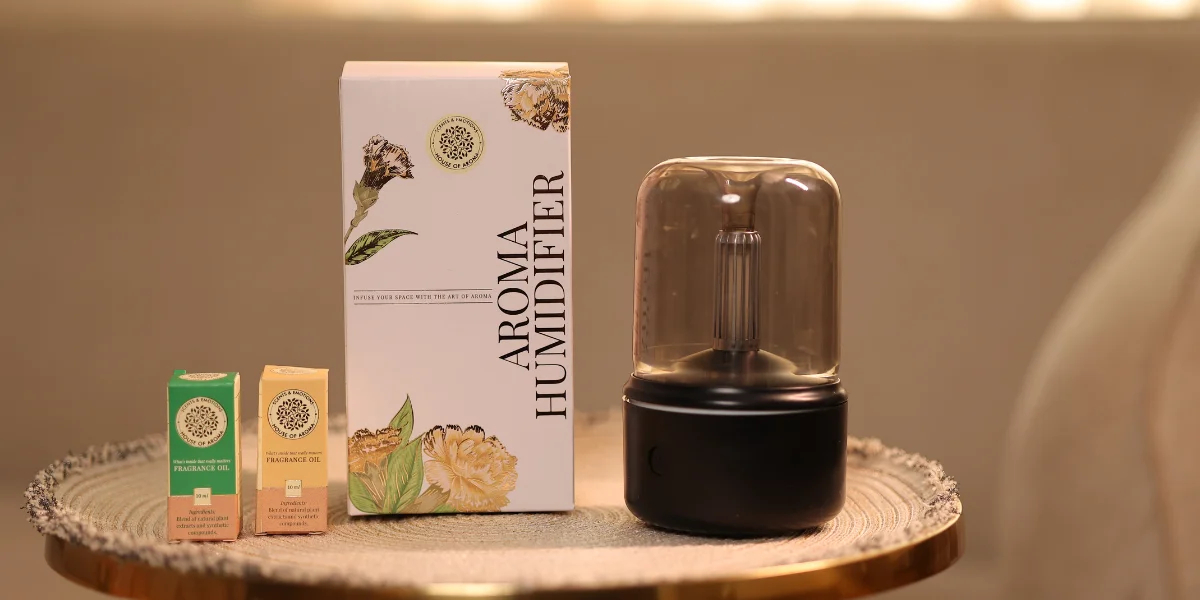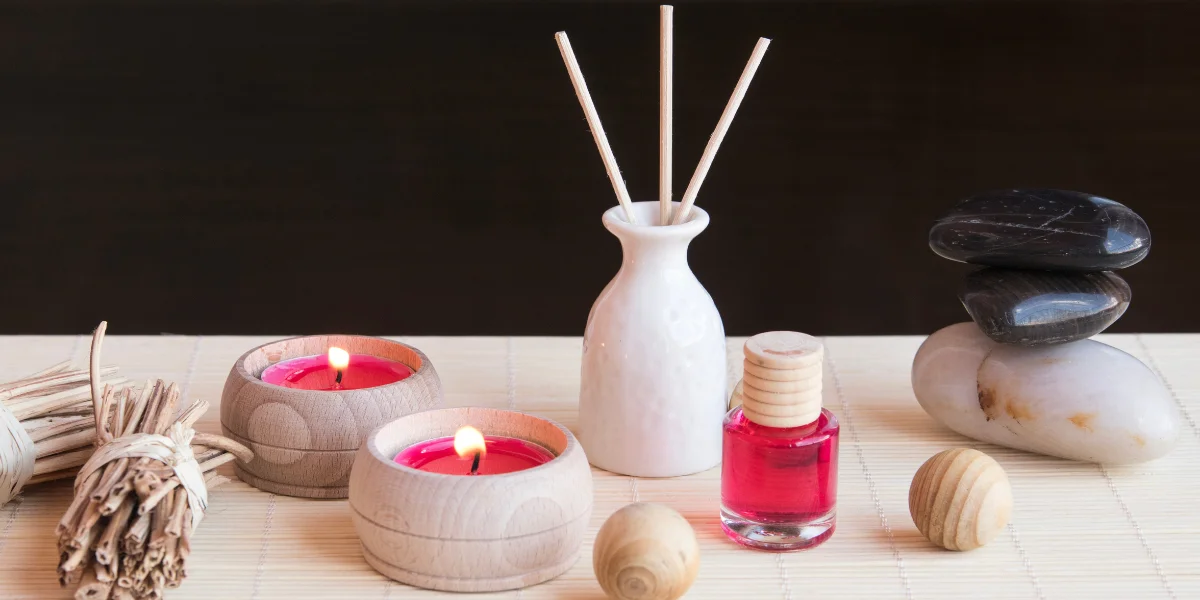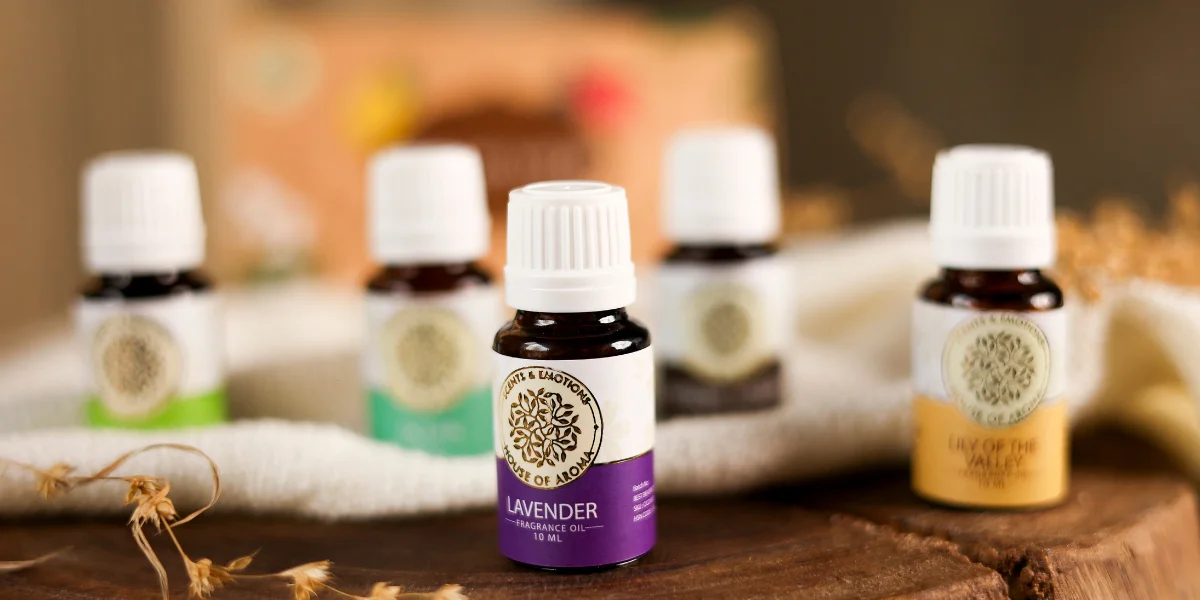

Fragrance oils are widely used in home fragrance products because they can provide consistent, long-lasting scents in a variety of formats. Two of the most popular ways to use them are reed diffusers and room sprays. While both products are designed to fragrance your surroundings, they work differently and require different formulations.
Using the right fragrance oil, concentration, base and formulation method is essential for achieving a pleasant scent without compromising product performance. Whether you are making home fragrances for personal use, developing products commercially, or simply exploring different ways to fragrance your home, understanding how fragrance oils work in reed diffusers and room sprays can help you get better results.
This guide explains how to use fragrance oils in both formats, how to choose suitable fragrance oils, recommended formulation considerations, common mistakes to avoid, and how to create a balanced fragrance experience.
1. What Are Fragrance Oils?
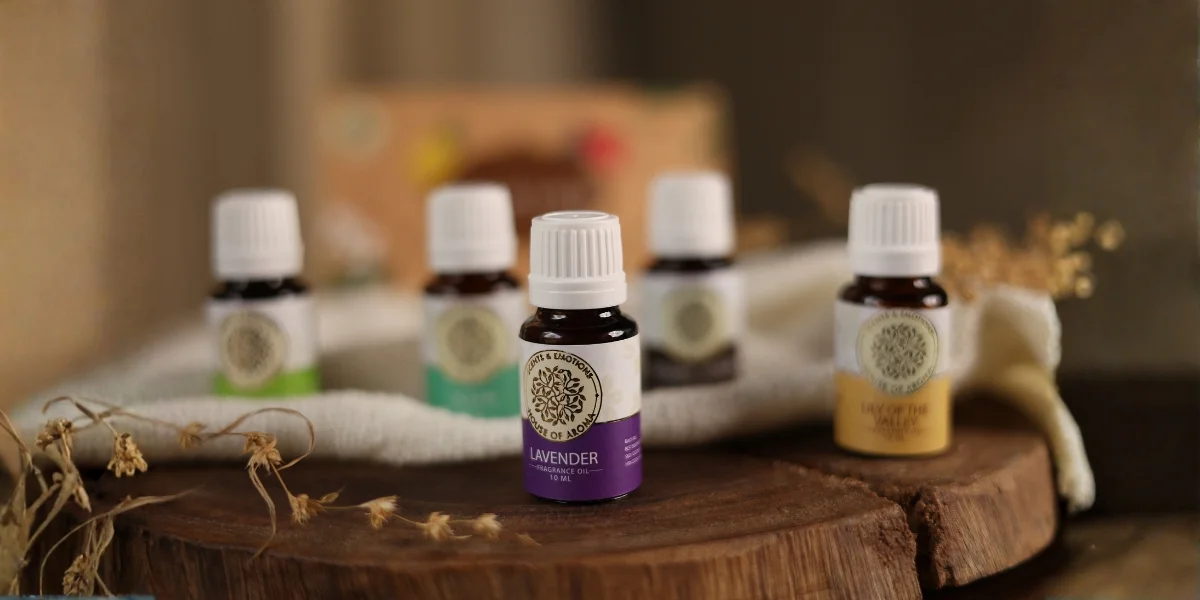
Fragrance oils are specially formulated aromatic blends designed to create specific scents. Unlike essential oils, which are extracted from plants, fragrance oils can contain a combination of aromatic ingredients selected to achieve a particular fragrance profile.
They are available in a wide range of fragrances, including floral, fruity, woody, fresh, gourmand and oriental-inspired profiles.
A wide variety of scent options
Good performance in suitable bases
Long-lasting aroma
Compatibility when properly formulated
However, not every fragrance oil is suitable for every application. A fragrance oil intended for candles, for example, may not automatically be appropriate for reed diffusers or room sprays.
When selecting an oil, always check the supplier’s recommended applications, usage limits and safety documentation.
What are fragrance oils used for?
Fragrance oils are used to add scent to products such as reed diffusers, room sprays, candles, wax melts and other home fragrance products, depending on their formulation and intended application.
Are fragrance oils the same as essential oils?
No. Essential oils are generally obtained from natural plant materials, while fragrance oils are formulated aromatic blends that may contain natural, synthetic or both types of aromatic ingredients.
Can all fragrance oils be used in reed diffusers?
No. Choose fragrance oils specifically recommended by the supplier for diffuser applications and follow the stated usage guidelines.
Can fragrance oils be used in room sprays?
Yes, provided the fragrance oil is suitable for room-spray formulations and is properly solubilized or incorporated into the appropriate spray base.
How do I choose a fragrance oil for home fragrance products in India?
Look for a fragrance oil supplier that provides clear application recommendations, usage information and relevant safety documentation for home fragrance applications.
2. Choosing the Right Fragrance Oil for Reed Diffusers
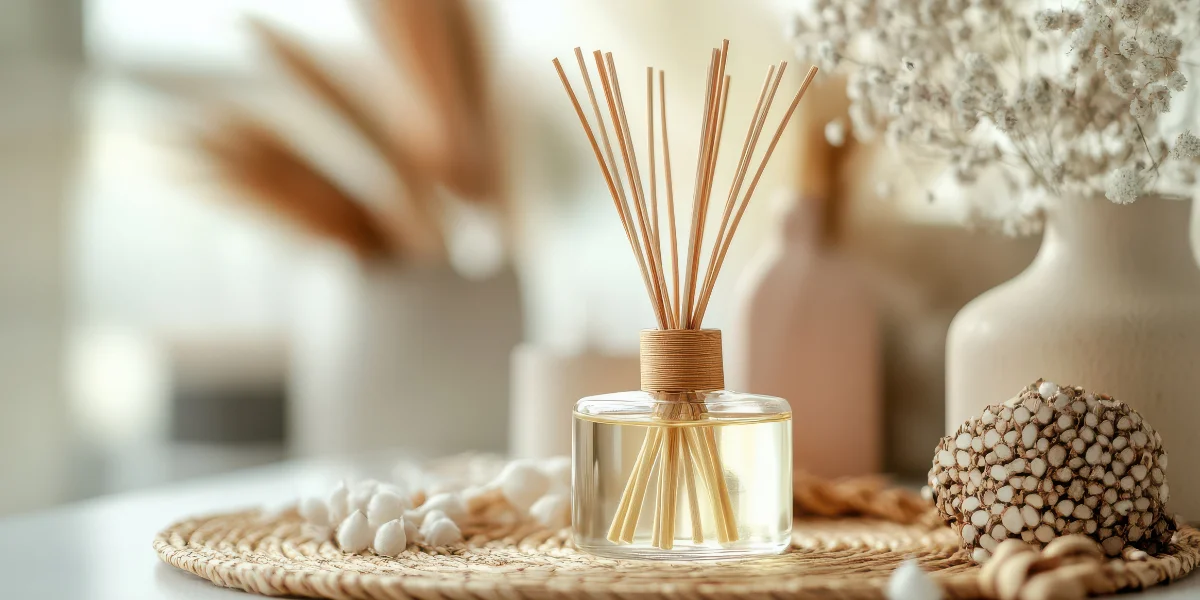
A reed diffuser works through capillary action. Fragrance liquid travels up the porous reeds and gradually evaporates into the surrounding air.
Because the fragrance needs to travel through the reeds, the physical properties of the finished diffuser liquid are extremely important.
When selecting a fragrance oil, consider:
Fragrance compatibility
Choose an oil that is specifically recommended for reed diffusers. Some fragrance oils may be too heavy or may not perform well with diffuser bases.
Fragrance strength
A highly concentrated fragrance is not necessarily better. The final performance depends on the fragrance oil, diffuser base, concentration, reeds, container design and room conditions.
Solubility and stability
The fragrance should remain compatible with the selected diffuser base. Separation, cloudiness or sediment can indicate compatibility or formulation issues.
Evaporation characteristics
The fragrance needs to evaporate gradually rather than disappearing too quickly. The right balance between fragrance oil and diffuser base helps achieve controlled diffusion.
Safety and documentation
For commercial products, check the supplier’s technical and safety documentation, including recommended application levels and relevant IFRA information where applicable.
Which fragrance oils are best for reed diffusers?
The best fragrance oils for reed diffusers are those specifically tested and recommended for diffuser applications and compatible with the chosen diffuser base.
Can I use candle fragrance oil in a reed diffuser?
Not automatically. Candle fragrance oils may have different formulation requirements. Always confirm that the specific fragrance oil is suitable for reed diffuser use.
Does a stronger fragrance oil make a reed diffuser smell stronger?
Not necessarily. Diffusion also depends on the base, fragrance concentration, reed material, number of reeds, bottle opening and environmental conditions.
What fragrance types work well in reed diffusers?
Floral, citrus, fruity, woody, fresh, gourmand and aromatic fragrance profiles can all work well when the fragrance oil is suitable for reed diffuser applications.
How can I choose a long-lasting fragrance oil for a reed diffuser?
Choose an oil tested for diffuser applications and pair it with a suitable diffuser base. Performance should be evaluated in the complete formulation rather than by fragrance oil strength alone.
3. How to Make a Fragrance Oil Reed Diffuser
Making a reed diffuser involves combining a suitable fragrance oil with a compatible diffuser base.
The exact ratio should be determined based on the recommendations of the fragrance and base suppliers and the applicable safety limits.
After several hours, the fragrance will begin to diffuse into the room. Turning the reeds periodically can increase fragrance release, although this may also increase evaporation.
What ingredients are needed to make a fragrance oil reed diffuser?
Generally, you need a fragrance oil, a suitable reed diffuser base, a diffuser bottle and reeds. The exact formulation depends on the materials selected.
How much fragrance oil should I put in a reed diffuser?
There is no single universal percentage. Follow the fragrance oil supplier’s recommended usage rate and the applicable safety limits for reed diffuser applications.
Can I make a reed diffuser without diffuser base?
A proper diffuser base is generally recommended because it helps the fragrance travel through the reeds and evaporate appropriately.
How long should I wait before using a homemade reed diffuser?
The diffuser can generally begin working once the reeds absorb the liquid, but performance should be evaluated after the formulation has had enough time to equilibrate and diffuse.
Why is my homemade reed diffuser not smelling strong?
Possible causes include an unsuitable base, incorrect fragrance concentration, poor-quality reeds, a small bottle opening, low room temperature or a fragrance that naturally diffuses more slowly.
4. How to Use Fragrance Oils in Reed Diffusers for Better Scent Throw
Simply adding more fragrance oil does not always produce a better reed diffuser.
Several factors influence scent throw.
Use quality reeds
Reed material affects how efficiently the liquid travels upward. Natural rattan reeds are commonly used because their internal channels allow fragrance liquid to move through them.
Use an appropriate number of reeds
More reeds generally increase the amount of fragrance released, but they can also increase consumption.
Choose the right bottle
A wider opening generally allows more liquid to evaporate than a narrow opening.
Consider room size
A small diffuser may work well in a bedroom, bathroom or entryway but may not provide the same fragrance intensity in a large open living room.
Turn the reeds periodically
Flipping the reeds can temporarily increase fragrance release. However, frequent flipping can cause faster evaporation.
Place the diffuser strategically
Avoid placing the diffuser directly under strong airflow from fans or air conditioners because increased airflow can accelerate evaporation.
How can I make my reed diffuser smell stronger?
Use suitable high-quality reeds, select an appropriate diffuser base and fragrance concentration, and place the diffuser where moderate airflow can help distribute the scent.
Should I flip reed diffuser sticks?
Yes, occasionally flipping the reeds can refresh fragrance intensity, but doing it too often can increase the rate at which the diffuser liquid is consumed.
Why does my reed diffuser smell strong at first but become weaker later?
The initial fragrance may be more noticeable because the reeds become freshly saturated. Over time, fragrance perception can decrease due to evaporation and olfactory adaptation.
How many reeds should I use in a diffuser?
The ideal number depends on the bottle, room size, reed diameter and desired fragrance intensity. Start with the manufacturer’s recommended quantity and adjust if appropriate.
Where should I place a reed diffuser?
Place it in an area where air circulates naturally, such as an entryway or living space, while avoiding excessive heat or strong direct airflow.
5. How to Use Fragrance Oils in Room Sprays
Room sprays work differently from reed diffusers.
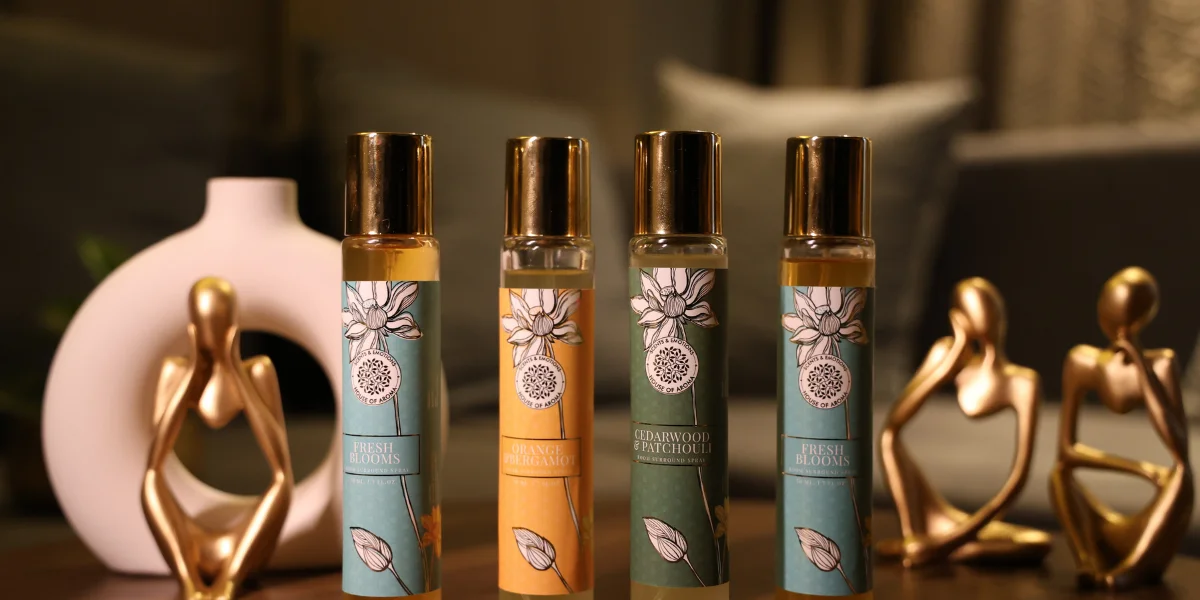
Instead of continuously releasing fragrance, a room spray disperses fragrance into the air when sprayed.
A typical room spray formulation may contain:
The exact formulation depends on the materials being used.
The most important consideration is solubility.
Many fragrance oils do not naturally dissolve in water. Simply mixing fragrance oil and water can result in separation, floating oil droplets and inconsistent spray performance.
A properly formulated room spray should remain stable and produce a fine, even mist.
Basic formulation process:
For commercial products, formulation should also consider flammability, packaging compatibility, labeling requirements and applicable fragrance safety standards.
Can fragrance oil be used directly in a room spray?
Fragrance oil generally needs to be incorporated into a suitable room-spray formulation rather than simply diluted with water.
Can I mix fragrance oil with water for a room spray?
Fragrance oils generally do not dissolve directly in water. A suitable solubilization system or compatible room-spray base is usually required.
Why is my room spray separating?
Separation can occur when the fragrance oil is incompatible with the formulation or when the solubilizer-to-fragrance ratio is insufficient.
What makes a good room spray?
A good room spray should provide a consistent fragrance, produce a fine spray mist, remain stable during storage and use appropriate ingredients for the intended application.
How long does fragrance last after spraying a room spray?
Longevity varies based on the fragrance, concentration, room size, ventilation, temperature and formulation.
6. Fragrance Oil Concentration for Room Sprays
One of the most common questions when making room sprays is: How much fragrance oil should be used?
There is no universal percentage that works for every fragrance.
The room-spray base
The solubilizer system
Intended fragrance strength
Safety requirements
The finished product’s stability
For commercial formulation, the fragrance supplier’s recommended maximum usage level should always be considered.
Using excessive fragrance oil can create problems rather than improving performance. It may cause separation, oily spray deposits, poor stability or an overly intense scent.
A better approach is to develop several controlled samples at different permitted concentrations and compare their fragrance performance and stability.
What percentage of fragrance oil should be used in room spray?
The percentage varies by fragrance and formulation. Always follow the supplier’s recommended application level and applicable safety requirements.
Can I add more fragrance oil to make my room spray stronger?
Adding more is not always better. Excess fragrance can cause instability and may exceed the recommended application limit.
Why does my room spray smell weak?
Weak fragrance can result from low fragrance concentration, an unsuitable fragrance, poor formulation, excessive ventilation or rapid evaporation.
Does every fragrance require the same concentration?
No. Different fragrance compositions can have significantly different performance characteristics.
How do I test the ideal fragrance concentration?
Create controlled samples at different permitted concentrations and evaluate scent intensity, stability, spray quality and longevity.
7. Reed Diffuser vs. Room Spray: Which Is Better?
Both products have their advantages, but they serve different purposes.
| Feature | Reed Diffuser | Room Spray |
|---|---|---|
| Fragrance release | Continuous | On demand |
| Application | Passive fragrance | Active spraying |
| Convenience | Very low maintenance | Requires periodic spraying |
| Fragrance intensity | Gradual | Immediate |
| Best for | Continuous ambience | Quick fragrance refresh |
| Fragrance control | Moderate | High |
| Portability | Moderate | High |
A reed diffuser is ideal when you want continuous fragrance without having to spray the room regularly.
A room spray is better when you want an immediate fragrance boost, such as before guests arrive or after cooking.
Many homes can benefit from using both.
For example, a reed diffuser can provide everyday ambience in a living room, while a room spray can be used whenever a stronger, immediate fragrance refresh is desired.
Is a reed diffuser better than a room spray?
Neither is universally better. Reed diffusers provide continuous fragrance, while room sprays offer immediate fragrance whenever needed.
Which lasts longer, a reed diffuser or room spray?
A reed diffuser is designed for continuous fragrance over an extended period, while a room spray is used intermittently and depends on how frequently it is sprayed.
Which is better for a bedroom?
A reed diffuser can provide gentle continuous fragrance, while a room spray is useful when you want a quick fragrance refresh.
Can I use the same fragrance oil for both products?
Possibly, but only if the fragrance oil is approved or recommended for both reed diffuser and room-spray applications.
Can I use a reed diffuser and room spray together?
Yes. Using the same or complementary fragrance profiles can create a layered home-fragrance experience.
8. Common Mistakes When Using Fragrance Oils
Even a high-quality fragrance oil may perform poorly if it is used incorrectly.
1Using the wrong fragrance oil
Always check whether the fragrance is suitable for the intended application.
2Guessing the concentration
Follow supplier recommendations instead of assuming that more fragrance means better performance.
3Mixing fragrance oil directly with water
Fragrance oils are generally oil-soluble rather than water-soluble, so a suitable formulation system is needed.
4Ignoring stability
A product may smell excellent initially but still fail if it separates, changes color or becomes unstable during storage.
5Using unsuitable containers
Some fragrance ingredients can interact with plastics, seals or other packaging components.
6Ignoring safety information
Commercial products should be developed and labeled according to applicable regulations and supplier safety documentation.
Why does my reed diffuser not work properly?
The issue could be related to the diffuser base, reeds, fragrance concentration, bottle design or fragrance compatibility.
Why does my room spray separate after mixing?
The formulation may not have sufficient solubilization or may contain incompatible ingredients.
Can I use any bottle for a fragrance spray?
No. Packaging should be compatible with the formulation and its ingredients.
Is using more fragrance oil always better?
No. Excess fragrance can negatively affect stability, safety and product performance.
How can I prevent fragrance products from becoming unstable?
Use compatible ingredients, follow recommended formulation levels and conduct stability testing before finalizing the product.
9. Safety Tips for Using Fragrance Oils at Home
Fragrance oils should be handled responsibly.
Always follow the manufacturer’s instructions and safety documentation.
Avoid direct skin contact unless approved
Do not ingest fragrance oils
Keep away from flames and excessive heat
Use appropriate ventilation while formulating
Avoid spraying directly onto people, pets or food
Follow the recommended application rate
Store in suitable, tightly closed containers
Check safety documentation before commercial use
Remember that “fragrance oil” does not automatically mean skin-safe, food-safe or non-flammable. The intended application must always be confirmed.
Are fragrance oils safe to use at home?
They can be used safely when the product is correctly formulated and used according to the manufacturer’s instructions and safety recommendations.
Can fragrance oil be applied directly to skin?
Not unless the specific product is intended and formulated for skin application. A home-fragrance fragrance oil should not automatically be considered skin-safe.
Can fragrance oil be used around pets?
Use caution. Product safety depends on the ingredients, concentration, ventilation and the specific animal. Keep concentrated fragrance oils away from pets and follow relevant safety guidance.
Are fragrance oils flammable?
Some fragrance oils or fragrance-containing formulations can be flammable or combustible. Always consult the product’s safety documentation.
How should fragrance oils be stored?
Store them tightly closed in a suitable container, away from excessive heat, direct sunlight and ignition sources, according to the supplier’s storage recommendations.
10. How to Create a Long-Lasting Home Fragrance Experience
The goal of home fragrance is not simply to make a room smell strong. A better approach is to create a balanced, consistent and pleasant fragrance environment.
For continuous fragrance, reed diffusers can provide a subtle background aroma throughout the day.
For immediate fragrance, room sprays can quickly refresh a space.
You can also create a layered fragrance strategy by combining complementary formats.
For example:
- Living room: Reed diffuser for continuous ambience
- Bedroom: Soft floral or woody diffuser
- Bathroom: Fresh or citrus fragrance
- Entryway: Room spray for an immediate first impression
When selecting fragrance profiles, consider the atmosphere you want to create.
Fresh fragrances
Citrus, aquatic and green profiles can create a clean and refreshing atmosphere.
Floral fragrances
Rose, jasmine, lavender and other floral profiles can create a soft and elegant environment.
Woody fragrances
Sandalwood, cedarwood and amber-inspired profiles can provide a warm and sophisticated character.
Gourmand fragrances
Vanilla, caramel and bakery-inspired notes can create a cozy atmosphere.
How can I make my home smell good all day?
Use a suitable reed diffuser for continuous fragrance and supplement it with a room spray when you want an immediate fragrance boost.
Which fragrance is best for a living room?
Fresh, floral, woody and sophisticated fragrance profiles can work well in living rooms, depending on personal preference and the desired ambience.
Which fragrance is best for bedrooms?
Soft floral, fresh, powdery or woody fragrances are commonly chosen for bedrooms because they can create a calm and comfortable atmosphere.
How can I make a fragrance last longer?
Choose a formulation designed for controlled evaporation, use suitable containers and reeds, and avoid excessive heat or strong airflow.
Can I combine different home fragrance products?
Yes. Reed diffusers and room sprays can be used together, especially when their fragrances are complementary.
Where can I buy quality fragrance oils and essential oils in India?
House of Aroma offers a range of fragrance oils and aromatic products designed for home fragrance and everyday scenting needs. Customers in India can explore the available range online and choose fragrances based on their preferred application and scent profile.
Does House of Aroma offer fragrance oils for home fragrance applications?
Yes. House of Aroma offers fragrance-focused products for creating inviting indoor environments. Depending on the product, its fragrance range can be used for applications such as home scenting, candles, diffusers, and other suitable fragrance products.
How can I choose the right fragrance from House of Aroma?
Start by considering where you want to use the fragrance and the type of scent you prefer. House of Aroma offers different fragrance profiles, allowing customers to explore floral, fruity, woody, fresh, warm, and other aromatic experiences based on their personal preferences and intended use.
Final Thoughts
Fragrance oils offer enormous possibilities for creating personalized home-fragrance experiences. Reed diffusers provide continuous, passive fragrance, while room sprays deliver an immediate burst of scent whenever required.
The key to successful fragrance products is not simply adding more fragrance oil. It is about choosing the right fragrance, using a compatible base, maintaining the appropriate concentration and following proper formulation and safety practices.
Whether you are developing home-fragrance products commercially or experimenting with fragrance at home, always check the supplier’s recommended application, safety information and relevant usage limits.
With the right formulation approach, fragrance oils can help create elegant, consistent and memorable fragrance experiences for homes, offices, hospitality spaces and other interiors.
How long does a reed diffuser last?
A reed diffuser’s lifespan depends on the bottle size, fragrance concentration, base, number of reeds, room temperature, airflow and bottle opening. A diffuser generally lasts longer when evaporation is slower.
Why does my reed diffuser finish so quickly?
Rapid evaporation can be caused by excessive airflow, high temperatures, a large bottle opening, highly absorbent reeds or a formulation designed for faster diffusion.
Can fragrance oils be mixed together?
Yes, different fragrance oils can be blended to create custom fragrance profiles, provided the individual oils are compatible with the intended application and their combined usage remains within applicable limits.
Can I use fragrance oil in an electric diffuser?
Not automatically. Electric diffusers are designed for specific liquids or oils, and using an incompatible fragrance oil can damage the device or create a safety issue. Always follow the diffuser manufacturer’s instructions.
Why does fragrance smell different in different rooms?
Temperature, humidity, ventilation, room size, furnishings and individual scent perception can all affect how a fragrance is experienced.
Does room temperature affect fragrance diffusion?
Yes. Higher temperatures can generally increase evaporation, while cooler conditions can slow fragrance release.
Can fragrance oils expire?
Fragrance oils can change over time, particularly when exposed to heat, light or air. Proper storage can help maintain their quality.
How should fragrance oils be stored?
Keep fragrance oils tightly closed and store them in a cool, suitable location away from direct sunlight, excessive heat and ignition sources, following supplier recommendations.
Can I use fragrance oils to make car fresheners?
Some fragrance oils can be used in car-fragrance products, but the formulation and concentration should be specifically designed and tested for that application.
What is the difference between fragrance oil and perfume oil?
The terms can vary by supplier and market. A fragrance oil is generally an aromatic formulation intended for a specified application, while “perfume oil” may refer to an oil-based fragrance product or fragrance concentrate. Always check the product’s intended use rather than relying on the name alone.