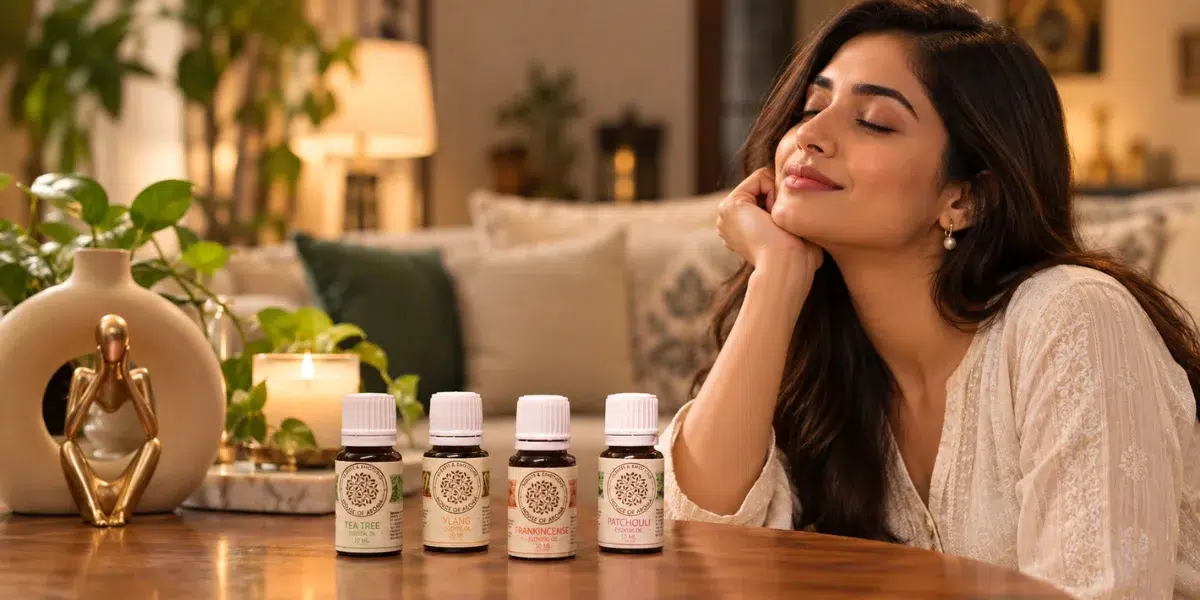
Aromatherapy oils offer a simple way to make your home feel more relaxing, refreshing and inviting. From creating a calming bedroom atmosphere to making your living room smell pleasant, the right fragrance can transform everyday spaces into comfortable personal retreats. Whether you enjoy floral, citrus, herbal or woody scents, incorporating aromatherapy into your home can help you establish enjoyable routines for relaxation, mindfulness and everyday well-being.
With the help of essential oil blends, aromatherapy diffusers and other home-fragrance products, you can personalise the atmosphere of different rooms according to your preferences. For example, lavender-inspired fragrances can complement a relaxing evening routine, citrus aromas can make a living space feel fresh, and woody notes can create a warm, sophisticated ambience.
At House of Aroma, home fragrance is about bringing together fragrance, comfort and thoughtful everyday rituals. Understanding how aromatherapy oils work, how to choose suitable fragrances and how to use them safely can help you make the most of your home-fragrance experience.
What Are Aromatherapy Oils?
Aromatherapy oils are aromatic oils used to create particular fragrance experiences and support relaxation-oriented routines. The term can refer to essential oils extracted from plants, as well as specially formulated fragrance oils designed primarily for scenting indoor spaces. Their composition and intended uses can differ, so it is important to understand the product label before choosing an oil.
An essential oil is a concentrated aromatic extract obtained from plant materials such as flowers, leaves, bark, roots or peels. Lavender, eucalyptus, peppermint, lemon and frankincense are examples of essential oils used in aromatherapy.
Fragrance oils, on the other hand, are formulated to deliver specific scent profiles. Depending on their ingredients, they may contain natural aromatic materials, synthetic fragrance ingredients or a combination of both. Not every fragrance oil is suitable for aromatherapy, topical application or every type of diffuser.
When selecting aromatherapy products for home use, always check the ingredients, intended application and manufacturer’s directions.
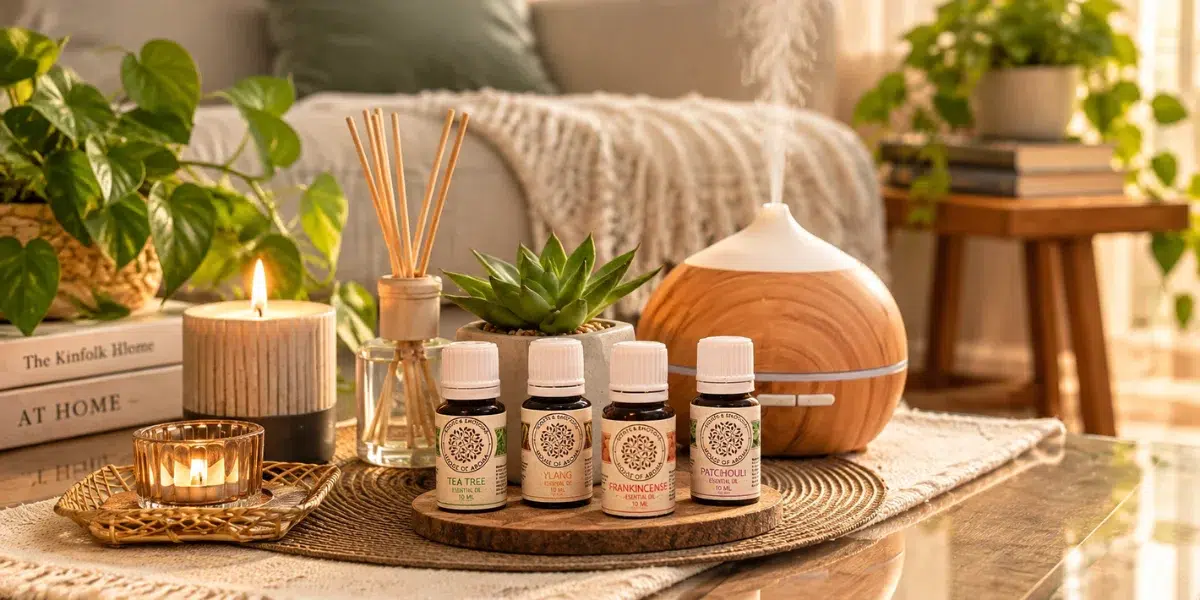
7 Benefits of Using Aromatherapy Oils at Home
1. Create a Relaxing and Calming Atmosphere
One of the most popular reasons people use aromatherapy oils is to create a more relaxing environment. After a busy day, familiar and pleasant fragrances can help make a room feel comfortable and encourage you to slow down.
Lavender, chamomile-inspired blends and soft woody fragrances are popular choices for evening routines. You can diffuse a compatible oil while reading, listening to music, meditating or enjoying a quiet moment at home.
Fragrance preferences are personal, and research on aromatherapy and relaxation has produced varying results. However, choosing a scent you enjoy can be a practical way to make relaxation rituals more inviting.
2. Support a Positive Mood
Fragrances can influence how people perceive their surroundings and may bring back memories or associations. A fresh citrus scent might remind you of a sunny morning, while a warm vanilla fragrance may create a cosy feeling.
Some commonly selected options include:
- Lemon and sweet orange: Fresh, bright fragrance profiles for daytime use.
- Lavender: A floral scent often chosen for quiet evenings.
- Rose: A soft floral fragrance for a comforting atmosphere.
- Sandalwood: A warm, woody aroma for relaxation and meditation.
- Peppermint: A cool, minty scent for a fresh sensory experience.
Using aromatherapy oils at home allows you to choose fragrances that suit your preferences and the atmosphere you want to create. Aromas may complement a positive daily routine, but they should not be considered a treatment for depression, anxiety or other mental health conditions.
3. Make Your Home Smell Fresh and Inviting
A pleasant-smelling home can feel more welcoming to residents and visitors. Aromatherapy oils and compatible aromatic products can introduce a consistent fragrance into rooms that may otherwise feel neutral or stale.
For instance, citrus or light herbal scents can work well in an entryway, floral fragrances can complement bedrooms, and warm woody notes can suit living rooms.
For the best results, use fragrance alongside regular cleaning, good ventilation and appropriate moisture control. Aromatic products can improve the perceived freshness of a space, but they do not remove the underlying causes of unpleasant odours.
4. Establish a More Relaxing Bedtime Routine
A consistent bedtime routine can help signal that it is time to wind down. For some people, a familiar fragrance becomes part of that routine.
Lavender and soft woody aromas are frequently chosen for bedrooms because of their gentle scent profiles. You can use a compatible diffuser for a short period before bedtime, following the manufacturer’s recommended operating time and safety instructions.
Aromatherapy is not a guaranteed solution for insomnia, and evidence that specific oils improve sleep remains limited. It is best used as a complementary part of good sleep habits, including maintaining a regular sleep schedule, reducing stimulating activities before bed and keeping the bedroom comfortable.
If a fragrance causes coughing, irritation or discomfort, discontinue use.
5. Create a More Focus-Friendly Home Workspace
Working or studying from home often requires a dedicated environment. A clean desk, adequate lighting, comfortable seating and fewer distractions are important for productive work. A pleasant fragrance can be an additional element of your workspace routine.
Fresh citrus, peppermint and rosemary aromas are popular choices for daytime settings. Some people find these scents refreshing, although there is not enough evidence to guarantee that any particular oil improves concentration or productivity for everyone.
Use a subtle fragrance rather than an overpowering scent. If you share your workspace with other people, consider their preferences and sensitivities before using a diffuser.
6. Complement Meditation, Yoga and Mindfulness
Aromatherapy oils can add a sensory element to meditation, gentle yoga, breathing exercises and other mindfulness practices. A familiar scent may help you associate a particular space with quiet time and self-care.
For example, sandalwood and frankincense-inspired fragrances are often used to create a grounding atmosphere, while lavender can suit a calming evening practice. Choose a fragrance you find pleasant rather than assuming that a particular oil has a universal effect.
Use only products intended for your chosen application. Do not apply concentrated essential oils directly to the skin without appropriate dilution, and avoid adding oils to yoga mats or other surfaces unless the product is specifically suitable for that use.
7. Personalise the Ambience of Every Room
Different rooms serve different purposes, and fragrance can help distinguish those experiences. Instead of using the same strong aroma throughout your home, select scents that complement each room’s function.
Here is a simple room-by-room guide:
| Room | Suggested fragrance profile | Desired ambience |
|---|---|---|
| Living room | Citrus, vanilla or soft woody notes | Warm and welcoming |
| Bedroom | Lavender or gentle floral notes | Calm and comfortable |
| Home office | Lemon, peppermint or rosemary | Fresh and stimulating |
| Bathroom | Light citrus or herbal notes | Clean and refreshing |
| Meditation area | Sandalwood or frankincense-inspired notes | Grounded and peaceful |
| Entrance | Light floral or citrus notes | Inviting first impression |
These are starting points rather than strict rules. The best fragrance for each room depends on your preferences, the room’s size, ventilation and the needs of everyone living in the home.
How Do Aromatherapy Diffusers Work?
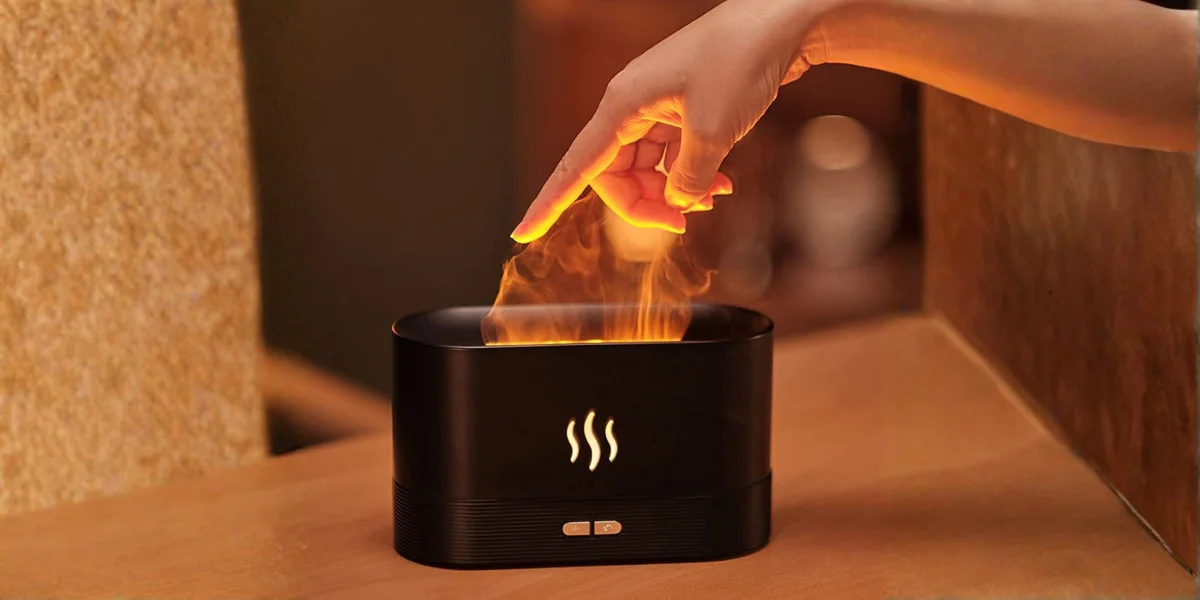
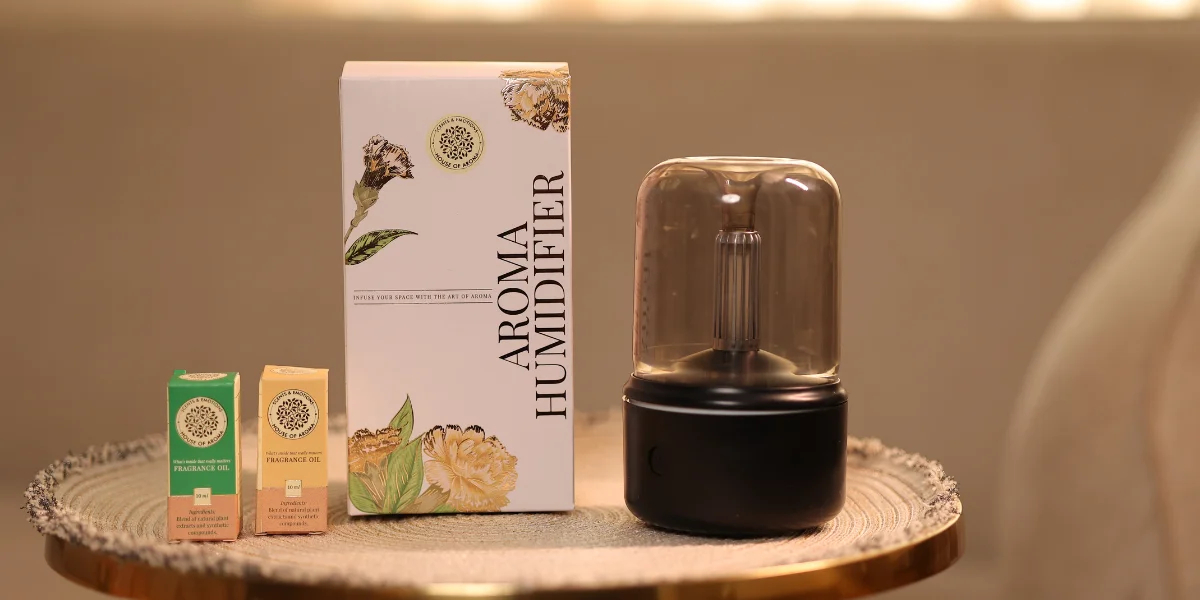
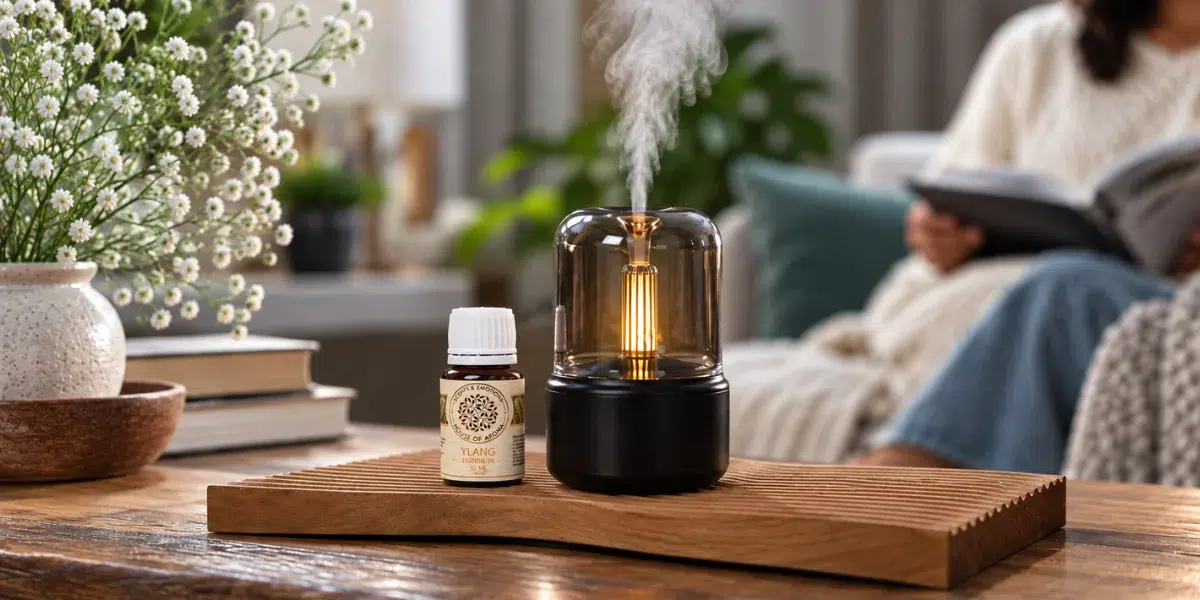
Aromatherapy diffusers disperse compatible aromatic oils into the surrounding air, allowing their fragrance to spread through a room. Depending on the design, a diffuser may use ultrasonic vibrations, airflow or reeds to distribute the scent.
Different types of diffusers offer different experiences:
Electric and Ultrasonic Diffusers
Electric diffusers are convenient for everyday use. Ultrasonic models generally combine water with a compatible essential oil and use vibrations to create a fine mist. Other electric models may use a different mechanism, so you should always follow the specific device instructions.
These diffusers are suitable for people who prefer a controllable fragrance experience and want to adjust the intensity or operating time where those features are available.
Reed Diffusers
Reed diffusers use absorbent reeds placed in a container of fragrance liquid. The reeds draw up the liquid and release its aroma gradually into the surrounding space.
They do not require electricity or an open flame, making them a convenient option for areas such as living rooms, entryways and bathrooms. Use only the fragrance liquid supplied or recommended for the reed diffuser system.
Aroma Lamps and Oil Burners
Some aroma lamps and oil burners use heat to release fragrance. Because they involve a heat source or open flame, they require extra care, a stable surface and supervision. Never leave a burning candle or heated oil burner unattended.
Choosing the Right Aromatic Diffusers
When comparing aromatic diffusers, consider the room size, fragrance output, maintenance requirements, operating time and the type of oil the device accepts.
A diffuser that works with water-based essential oil mixtures may not be suitable for every fragrance oil. Similarly, reed diffuser liquid should not automatically be used in an electric device. Checking compatibility helps protect both the device and your home.
How do aromatherapy diffusers work?
Aromatherapy diffusers disperse compatible aromatic oils into the air, allowing their fragrance to spread throughout a room. Depending on the type, they may use ultrasonic vibrations, airflow or reeds to release the scent and create a pleasant home-fragrance atmosphere.
Which types of aromatherapy diffusers are best for home use?
The best aromatherapy diffuser depends on your needs and preferences. Ultrasonic diffusers use water and compatible essential oils, while reed diffusers release fragrance gradually without electricity. Electric diffusers offer convenient fragrance distribution, but you should always check which oils are suitable for your device.
Can I use essential oils in all aromatic diffusers?
No, not all aromatic diffusers are compatible with every essential oil or fragrance product. Some devices require water-based mixtures, while others are designed for undiluted oils or specific fragrance formulations. Always follow the manufacturer’s instructions to ensure safe and effective use.
How long should I run an aromatherapy diffuser at home?
The recommended operating time depends on the diffuser model, the oil used and the room’s ventilation. Follow the manufacturer’s instructions, avoid excessive or continuous diffusion, and maintain adequate airflow. Stop using the diffuser if anyone experiences headaches, coughing, breathing difficulties or other irritation.

How to Choose the Right Aromatherapy Oils for Your Home
Choosing the right oil depends on the atmosphere you want to create, your fragrance preferences and the intended use of the product.
Consider the Fragrance Family
Start by identifying the type of scent you enjoy:
- Floral: Rose, lavender and jasmine-inspired fragrances.
- Citrus: Lemon, orange and bergamot-inspired fragrances.
- Woody: Sandalwood, cedarwood and similar warm notes.
- Herbal: Rosemary, mint and other green aromatic notes.
- Fresh: Clean, airy fragrance profiles for everyday spaces.
- Warm and sweet: Vanilla and other cosy fragrance notes.
Trying a few fragrance families can help you discover what works best in different parts of your home.
Match the Oil to the Intended Use
Before purchasing, check whether the product is an essential oil, a fragrance oil or a ready-to-use aromatic blend. Some products are made specifically for home fragrance, while others are intended for particular aromatherapy applications.
If you plan to use an oil in an electric diffuser, verify that it is compatible with the device. If you want to apply an oil to your skin, choose a product specifically intended for that use and follow the appropriate dilution instructions.
Consider Fragrance Strength and Room Size
A strong scent may become overwhelming in a small or poorly ventilated room. Begin with the minimum amount recommended by the manufacturer and adjust only within the stated limits.
For larger rooms, a suitable diffuser or carefully positioned reed diffuser may provide a more balanced fragrance experience than adding excessive oil to a small device.
Read Product Labels Carefully
Look for clear information about ingredients, intended use, usage instructions and safety precautions. Avoid assuming that a product is safe for every person, pet or surface simply because it is marketed as natural.
How to Use Aromatherapy Oils at Home
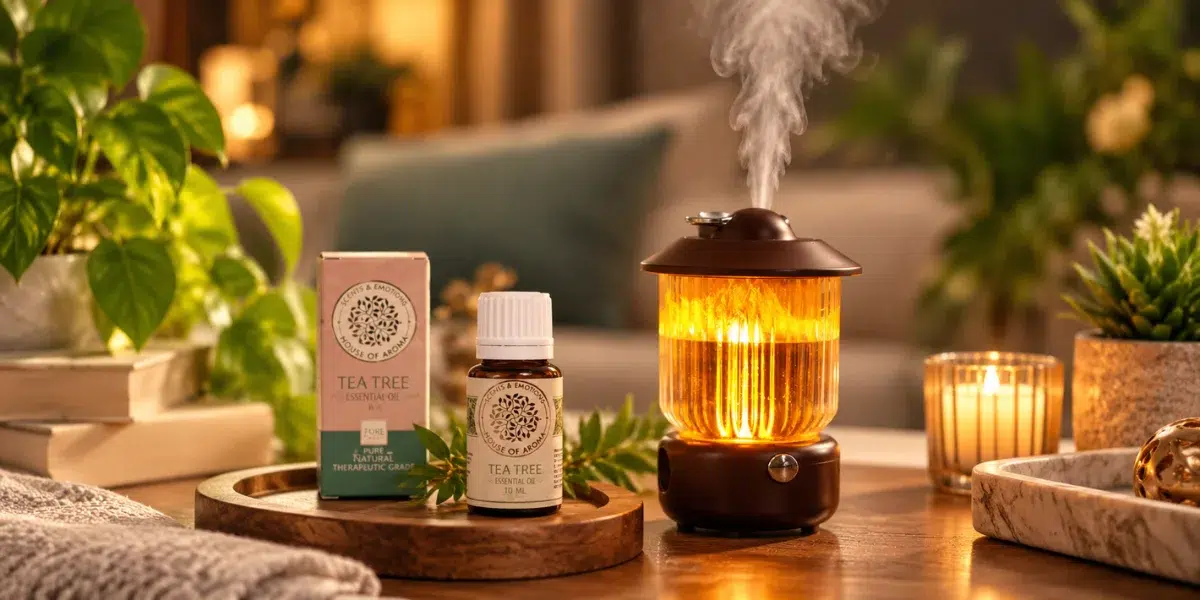
You can incorporate aromatherapy into your daily routine by following a few simple steps.
Step 1: Choose your fragrance. Select an oil or aromatic blend suited to your preferred atmosphere, such as a fresh citrus scent for daytime or a gentle floral scent for evening relaxation.
Step 2: Select a compatible product. Choose an appropriate electric diffuser, ultrasonic diffuser or reed diffuser. Confirm that the oil and device are designed to work together.
Step 3: Follow the manufacturer’s instructions. For a water-based diffuser, add water only if required and use the recommended amount of compatible oil. Do not assume that every device requires the same number of drops.
Step 4: Begin with a subtle fragrance level. Use the lowest recommended setting or quantity that provides a comfortable scent. Stronger fragrance does not necessarily create a better experience.
Step 5: Maintain ventilation. Use the product in a suitably ventilated space and follow the recommended operating duration. Stop using it if anyone experiences irritation or discomfort.
Step 6: Clean and maintain the device. Follow the manufacturer’s cleaning instructions to prevent residue buildup and help the diffuser operate as intended.
Important Safety Tips for Using Aromatherapy Oils
Aromatherapy oils can be useful for home fragrance, but concentrated oils require careful handling. Keep these precautions in mind:
- Do not ingest essential oils unless a qualified healthcare professional has specifically advised an appropriate product and use.
- Avoid undiluted skin application. Concentrated essential oils may cause irritation or allergic reactions. Use only products intended for topical use and follow their dilution instructions.
- Keep oils away from children. Store bottles securely and out of reach. Some oils can be particularly hazardous if swallowed or misused.
- Consider pets and household sensitivities. Some essential oils may be harmful to pets, particularly cats and birds. Seek veterinary guidance before diffusing oils around animals, and ensure pets can leave the scented area.
- Use good ventilation. Avoid prolonged or excessive diffusion, particularly in small rooms.
- Follow device instructions. Use only compatible oils and avoid placing a diffuser near water-sensitive items, heat sources or unstable surfaces.
- Be cautious during pregnancy or with respiratory sensitivities. Ask a qualified healthcare professional for advice when relevant, especially if you have asthma, allergies or another condition that may be affected by fragrances.
Aromatherapy should be considered a complementary lifestyle practice rather than a substitute for medical care. Claims about treating illnesses, boosting immunity or curing sleep disorders should not be assumed without reliable clinical evidence.
Why Choose House of Aroma for Home Fragrance?
House of Aroma offers a range of home-fragrance and wellness-inspired products, including essential oils, diffusers, scented candles, reed diffusers and room-fragrance products. These options make it possible to explore different fragrance formats according to your home, preferences and daily routine.
Whether you want to introduce a fresh aroma into your living room, create a more peaceful bedroom atmosphere or choose a fragrance for a self-care ritual, the right product should balance scent preference, suitability and ease of use.
Before choosing an oil or diffuser, review the product details and usage instructions to ensure that it suits your intended application.
With a thoughtful approach to fragrance, House of Aroma can be part of your everyday home-fragrance routine, helping you make ordinary moments feel more personal and inviting.
Conclusion: Make Aromatherapy Part of Your Everyday Home Routine
The benefits of using aromatherapy oils at home go beyond introducing a pleasant scent. Carefully selected fragrances can help create a welcoming atmosphere, complement relaxation rituals, personalise different rooms and make everyday routines more enjoyable.
From lavender-inspired aromas for an evening wind-down to citrus notes for a fresh daytime environment, the right fragrance depends on your individual preferences and intended use. Pairing suitable oils with compatible aromatherapy diffusers or other aroma product options can make home fragrance simple and convenient.
For a balanced experience, choose products carefully, follow usage and safety instructions, and keep fragrance levels comfortable. Explore the home-fragrance options from House of Aroma to find scents and formats that complement your space and lifestyle.
What are the main benefits of using aromatherapy oils at home?
The main benefits include creating a pleasant home atmosphere, supporting relaxation routines, making rooms feel more welcoming and adding a sensory element to meditation or bedtime habits. Some people also find certain fragrances uplifting or refreshing. Individual responses vary, and aromatherapy oils should not replace professional medical treatment.
Which aromatherapy oils are best for home use?
Lavender is a popular choice for relaxing evening routines, citrus oils such as lemon and sweet orange are often selected for fresh daytime environments, and sandalwood is commonly used for a warm, grounding fragrance. The best choice depends on personal preference, product suitability and the intended use.
How do I use aromatherapy oils with aromatic diffusers?
First, check that your oil is compatible with the diffuser. Add water if the device requires it, then use the recommended quantity of oil according to the manufacturer’s instructions. Start with a subtle fragrance level, maintain ventilation and clean the device as directed. Never use reed diffuser liquid in an electric diffuser unless the manufacturer specifically approves it.
Can I use House of Aroma products to create a relaxing atmosphere at home?
Yes. House of Aroma offers home-fragrance options, including essential oils, aromatherapy diffusers, reed diffusers and scented candles. Choose a product based on your preferred scent, the room where you plan to use it and its intended application. Check the product instructions for compatibility and safe use.
Where can I find aromatherapy oils and diffusers from House of Aroma?
You can explore the available options on the House of Aroma website. Visit the aromatherapy diffuser page for diffuser information and browse the essential oil and home-fragrance categories to find products suited to your preferences. Always review each product’s ingredients, intended use and safety directions before purchasing.