Benefits of Eucalyptus Oil for Skin
The primary benefits of eucalyptus oil for skin stem from its potent antimicrobial and anti-inflammatory properties. This natural extract helps combat acne-causing bacteria while simultaneously calming redness and irritation. Modern skincare research highlights its ability to boost ceramide production, which significantly improves the skin’s moisture barrier. Whether you are dealing with oily patches or seasonal dryness, incorporating this oil into your routine can result in a clearer, more resilient complexion that glows with health and vitality.Medicinal Benefits of Eucalyptus Oil
The medicinal benefits of eucalyptus oil are centered around its high concentration of eucalyptol, a compound known for its powerful decongestant and mucolytic effects. It is a time-tested remedy for respiratory ailments, helping to clear airways and reduce cough frequency during seasonal illnesses. Beyond respiratory health, its antiseptic nature makes it ideal for treating minor wounds and preventing infection. Additionally, its cooling effect acts as a natural analgesic, providing much-needed relief for chronic joint pain and sore muscles.Eucalyptus Oil Uses for Skin
Exploring eucalyptus oil uses for skin reveals a versatile tool for various dermatological concerns. To safely enjoy its advantages, always dilute it with a carrier oil like jojoba or almond oil. Use it as a spot treatment for stubborn blemishes to reduce swelling, or blend it into a cooling balm for soothing insect bites and stings. Its antifungal properties also make it an excellent addition to foot soaks, helping to maintain hygiene and prevent common fungal infections effectively.Eucalyptus Oil Advantages
One of the most significant eucalyptus oil advantages is its multi-functional nature, serving as a bridge between health, beauty, and home care. Unlike synthetic alternatives, this plant-based extract offers a non-toxic way to disinfect surfaces, repel insects, and enhance mental clarity through aromatherapy. Its ability to act as both a physical healer and a mental stimulant provides a holistic approach to wellness. Investing in pure eucalyptus oil ensures you have a sustainable, effective solution for numerous everyday challenges.Uses of Eucalyptus Oil
The everyday uses of eucalyptus oil extend far beyond the medicine cabinet. You can add a few drops to your laundry to eliminate deep-seated odors or mix it with water and vinegar for an eco-friendly household cleaner. In the shower, the steam-activated aroma acts as a morning “brain boost,” clearing mental fog and opening the lungs. From refreshing your gym gear to improving oral hygiene in mouthwash, its applications are nearly endless for those seeking a natural lifestyle.
In the world of natural healing, few botanicals are as powerhouse as the eucalyptus plant. From the silvery-blue eucalyptus plant leaves comes a potent essential oil that has become a global staple for holistic health. Whether you are curious about eucalyptus oil uses for skin or the broader medicinal benefits of eucalyptus oil, this guide covers everything you need to know about this “liquid gold.”
What is the Eucalyptus Plant?
The eucalyptus plant is a fast-growing evergreen tree native to Australia. While there are over 700 species, most eucalyptus oil benefits are derived from Eucalyptus globulus.
The eucalyptus leaf is characterized by its waxy texture and intense aroma. When these eucalyptus leaves undergo steam distillation, they release a concentrated oil rich in eucalyptol (1,8-cineole). This compound is responsible for the vast majority of the health benefits of eucalyptus oil that we rely on today.
Top Health & Medicinal Benefits of Eucalyptus Oil
The medicinal benefits of eucalyptus oil have been recognized for centuries, starting with Indigenous Australian traditional medicine.
1. Respiratory Relief and Decongestion
One of the primary uses and benefits of eucalyptus oil is its ability to clear the airways. It acts as an expectorant, helping to loosen phlegm and mucus.
• How to use:
Inhale the steam from a bowl of hot water infused with 3 drops of the oil to soothe sinus infections and bronchitis.
Inhale the steam from a bowl of hot water infused with 3 drops of the oil to soothe sinus infections and bronchitis.
2. Natural Disinfectant for Wounds
Among the many eucalyptus oil advantages is its powerful antiseptic nature. Historically, eucalyptus leaves were used to treat skin infections and minor wounds. Applying a diluted version of the oil can help prevent the growth of harmful microbes.
3. Pain Management and Inflammation
The health benefits of eucalyptus oil extend to the musculoskeletal system. It provides a cooling sensation that works as a natural analgesic.
• For Joints:
Research suggests it can reduce the pain and inflammation associated with osteoarthritis and rheumatoid arthritis.
Research suggests it can reduce the pain and inflammation associated with osteoarthritis and rheumatoid arthritis.
Eucalyptus Oil Uses for Skin: A Natural Beauty Secret
If you are looking to simplify your vanity, eucalyptus oil uses for skin offer a botanical alternative to harsh chemicals.
Benefits of Eucalyptus Oil for Skin Health:
1. Combats Acne:
The antibacterial properties of the eucalyptus leaf extract kill acne-causing bacteria while reducing redness.
The antibacterial properties of the eucalyptus leaf extract kill acne-causing bacteria while reducing redness.
2. Moisture Retention:
It has been shown to increase ceramide production, which keeps the skin barrier strong and hydrated.
It has been shown to increase ceramide production, which keeps the skin barrier strong and hydrated.
3. Heals Cold Sores:
Its antiviral properties can speed up the healing process of cold sores when applied at the first sign of a tingle (always diluted!).
Its antiviral properties can speed up the healing process of cold sores when applied at the first sign of a tingle (always diluted!).
4. Natural Bug Repellent:
Using eucalyptus oil for skin (specifically the Lemon Eucalyptus variety) provides a barrier against mosquitoes and ticks without the use of DEET.
Using eucalyptus oil for skin (specifically the Lemon Eucalyptus variety) provides a barrier against mosquitoes and ticks without the use of DEET.
• Pro Tip:
Always mix your oil with a carrier oil. One of the most important uses of eucalyptus oil safety rules is to never apply it “neat” or undiluted to the face.
Always mix your oil with a carrier oil. One of the most important uses of eucalyptus oil safety rules is to never apply it “neat” or undiluted to the face.
Comprehensive List: 10 Common Uses of Eucalyptus Oil
Beyond the medicine cabinet, the uses of eucalyptus oil permeate every part of a wellness-focused home.
Category | Practical Use |
Aromatherapy | Diffuse 5 drops to improve mental clarity and focus. |
Oral Care | Add one drop to toothpaste to fight plaque and gingivitis. |
Household | Mix with vinegar and water for a non-toxic countertop cleaner. |
Laundry | Add to the wash cycle to remove musty odors from towels. |
Hair Care | Mix with shampoo to treat dandruff and an itchy scalp. |
First Aid | Use on insect bites to stop itching and prevent infection. |
Stress Relief | Add to a warm bath for a "spa-at-home" experience. |
Shower Steam | Hang dried eucalyptus leaves in the shower for respiratory health. |
Gym Care | Spray on yoga mats to kill bacteria and fungus. |
Seasonal Care | Rub diluted oil on the chest to act as a natural vapor rub. |
Maximizing the Eucalyptus Oil Advantages
To truly reap the eucalyptus oil benefits, you must understand the difference between synthetic fragrances and pure extracts. The eucalyptus plant leaves must be processed correctly to maintain their therapeutic integrity.
1. Look for Purity:
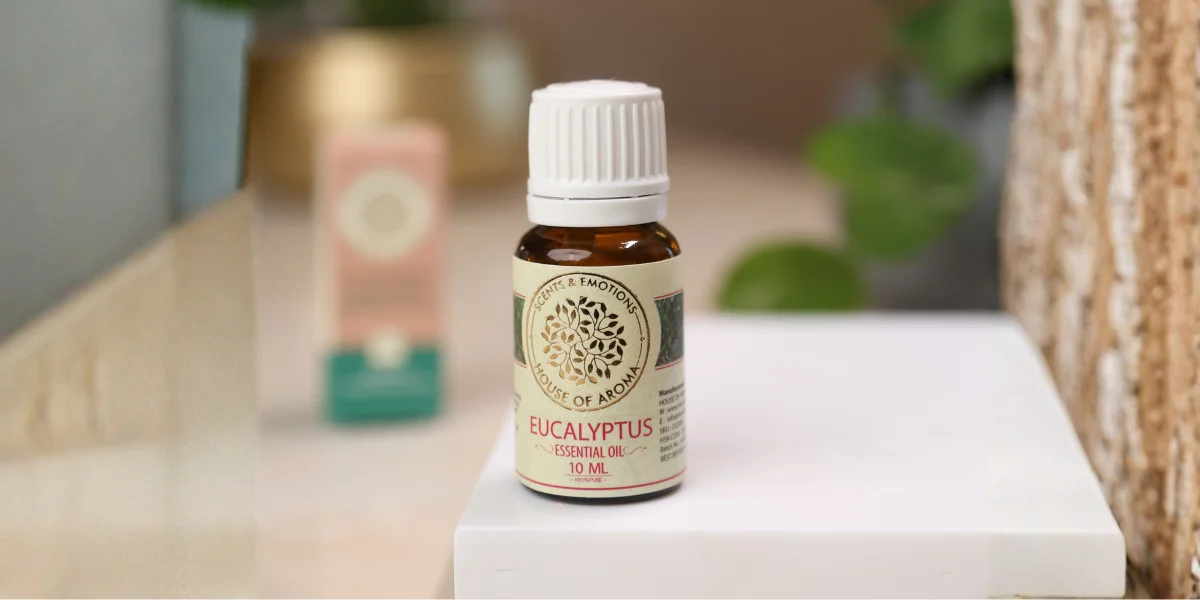
Ensure the label says “100% Pure Essential Oil.”
Ensure the label says “100% Pure Essential Oil.”
2. Check the Source:
High-quality oils will list the specific eucalyptus leaf species (e.g., Eucalyptus globulus or Eucalyptus radiata).
High-quality oils will list the specific eucalyptus leaf species (e.g., Eucalyptus globulus or Eucalyptus radiata).
3. Storage Matters:
To preserve the medicinal benefits of eucalyptus oil, store it in a cool, dark place in an amber glass bottle to prevent oxidation.
To preserve the medicinal benefits of eucalyptus oil, store it in a cool, dark place in an amber glass bottle to prevent oxidation.
Safety and Precautions
While the uses and benefits of eucalyptus oil are vast, it is a potent substance.
1. Ingestion:
Never swallow eucalyptus oil; it can be toxic even in small amounts.
Never swallow eucalyptus oil; it can be toxic even in small amounts.
2. Children & Pets:
Keep out of reach of children under 6 and away from pets (especially cats and dogs), as it can be toxic to them.
Keep out of reach of children under 6 and away from pets (especially cats and dogs), as it can be toxic to them.
3. Patch Test:
Before exploring eucalyptus oil uses for skin, perform a patch test on your inner arm to ensure no allergic reaction occurs.
Before exploring eucalyptus oil uses for skin, perform a patch test on your inner arm to ensure no allergic reaction occurs.
Why You Need This Oil in 2026
The benefits of eucalyptus oil for skin and health make it one of the most cost-effective wellness tools available today. Whether you are using the raw eucalyptus plant in your decor or the concentrated oil for its medicinal benefits, you are tapping into a tradition of healing that is backed by modern science.
By understanding the various uses of eucalyptus oil, from clearing your sinuses to brightening your complexion, you can reduce your reliance on synthetic products and embrace the power of the eucalyptus leaf.
FAQ's
Eucalyptus oil is a versatile essential oil used primarily for respiratory relief, pain management, and natural cleaning. It is commonly found in chest rubs to clear congestion, added to diffusers to improve air quality, and used in topical ointments to soothe sore muscles and joints.
Eucalyptus oil contains a compound called 1,8-cineole (eucalyptol), which has potent anti-inflammatory, antimicrobial, and mucolytic properties. When inhaled, it helps break down mucus; when applied topically (diluted), it creates a cooling sensation that blocks pain signals and increases local blood flow.
No, eucalyptus oil is generally not recommended for dry skin. Because of its astringent properties, it can actually strip the skin of moisture if used incorrectly. However, it can be beneficial for dry skin caused by ceramide deficiency, as some studies suggest it may help stimulate the skin’s natural protective barrier. It must always be diluted in a carrier oil (like jojoba or almond oil).
The primary benefits for skin include its antibacterial and antiseptic qualities, making it effective for treating minor cuts, insect bites, and acne. Its anti-inflammatory nature also helps reduce redness and promotes faster healing of cold sores and skin irritations.
Medicinally, eucalyptus is used to treat bronchitis, asthma, and sinusitis. It is also a common ingredient in over-the-counter treatments for:
- Cough suppression (antitussive)
- Joint pain (arthritis and rheumatism)
- Dental health (fighting plaque and gingivitis)
- Immune system support
It is generally best to avoid eucalyptus oil during the first trimester. While it may be used cautiously in the second and third trimesters for respiratory relief, you should always consult your healthcare provider first. Never ingest the oil, and ensure it is heavily diluted if applied topically, as pregnancy can make skin more sensitive.
To use eucalyptus oil for acne, mix one drop of the essential oil with a tablespoon of a non-comedogenic carrier oil (like squalane or hemp seed oil). Apply it as a spot treatment to utilize its antimicrobial properties, which help kill acne-causing bacteria and reduce swelling.
Yes. Eucalyptus oil has antifungal properties that can combat Malassezia, the fungus often responsible for dandruff. Adding a few drops to your shampoo can help relieve scalp itchiness, reduce flakiness, and stimulate circulation to the hair follicles.
Caution is required. Eucalyptus oil should never be used on or near the faces of infants and young children (under age 6), as it can cause breathing difficulties or spasms. It is also toxic to cats and dogs; even diffused oil can be harmful to their sensitive respiratory systems and skin.