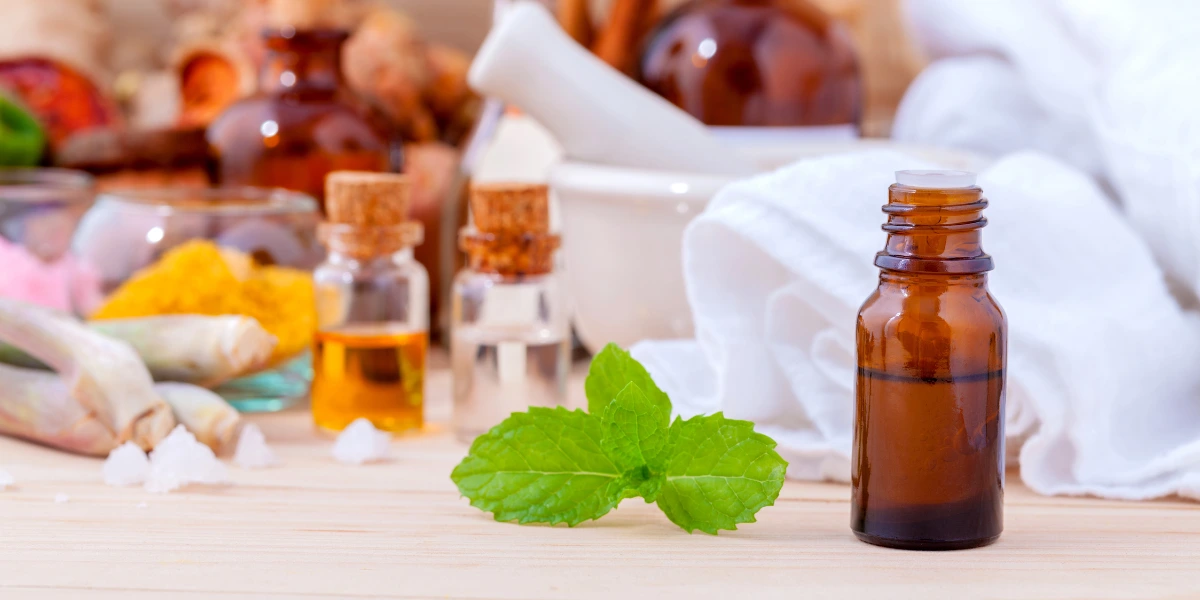
Types of Essential Oils Used in Aromatherapy
Exploring the various types of essential oils used in aromatherapy is a journey into plant-based healing. From the calming floral notes of Lavender to the invigorating zing of Peppermint, each oil contains unique volatile compounds. These botanical extracts are distilled from roots, leaves, and petals to create potent solutions for modern wellness. At House of Aroma, we provide therapeutic-grade oils that cater to every need, ensuring you experience the true essence of nature in every drop.Essential Oils Benefits
The range of essential oils benefits extends far beyond pleasant scents. These concentrated liquids act as natural remedies for stress, sleep disorders, and skin health. For instance, Tea Tree oil offers powerful antimicrobial properties, while Rosemary is celebrated for stimulating hair growth and mental clarity. By integrating organic essential oils into your daily life, you can reduce your reliance on synthetic chemicals and embrace a holistic approach to physical and emotional well-being.Use Essential Oils at Home
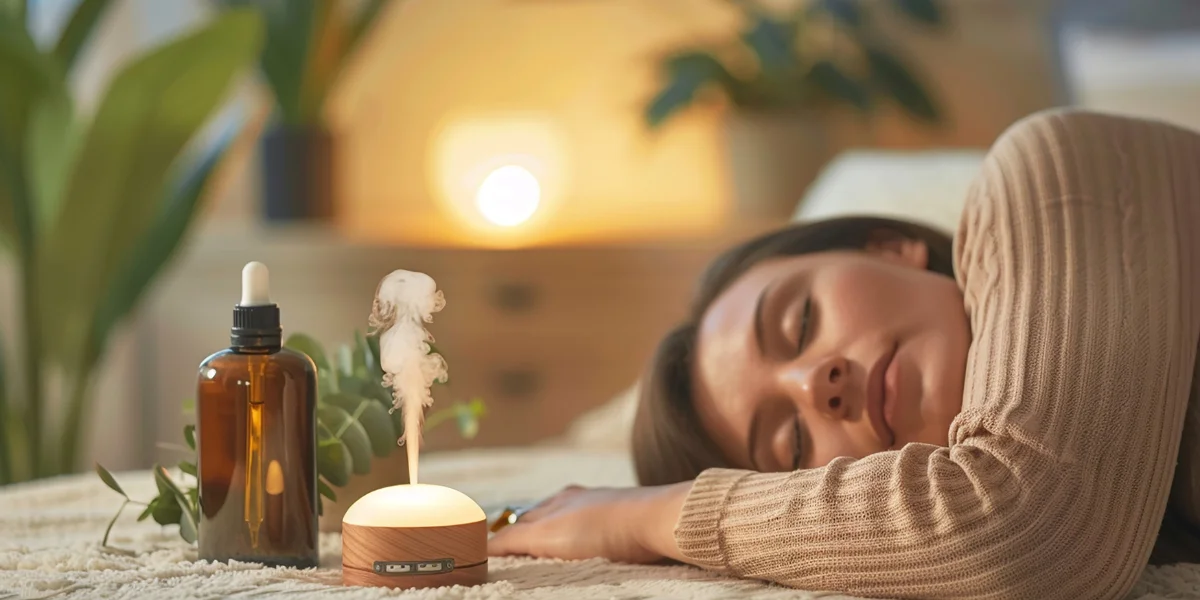
Learning how to use essential oils at home is simple and rewarding. You can start by adding a few drops to an electric diffuser to purify your living space. For a more personal touch, mix your favorite oils with a carrier oil for a relaxing body massage. Even without equipment, you can enjoy essential oil and aromatherapy benefits by adding a drop to your pillow or creating a DIY room spray to refresh your linens and carpets instantly.Aromatherapy Oils
Quality is the most important factor when selecting aromatherapy oils. Pure, undiluted extracts ensure that you receive the maximum therapeutic effect without the risk of inhaling synthetic fillers. Whether you are using Eucalyptus for respiratory support or Bergamot for mood elevation, these oils interact with the brain’s limbic system to shift your emotional state. Investing in high-quality oils from House of Aroma ensures a safe and effective experience every time you inhale.Aromatherapy Products
To get the most out of your scents, choosing the right aromatherapy products is essential. This includes not just the oils themselves, but also the delivery methods like ultrasonic diffusers, scented candles, and reed diffusers. These products are designed to disperse aroma molecules consistently, creating an immersive environment. For those on the go, aromatherapy roll-ons are perfect for keeping the benefits of your favorite blends within reach throughout a busy workday.Essential Oils Uses
The list of essential oils uses is virtually endless. Beyond diffusion, you can use them in natural DIY cleaning recipes, as a localized spot treatment for skin blemishes, or even as a chemical-free perfume. Many people use Lemongrass as a natural insect repellent, while others add Sandalwood to their skincare routine for a youthful glow. No matter your lifestyle, there is a way to incorporate these powerful plant essences into your home for a healthier, more fragrant environment.
In the ever-evolving world of wellness, aromatherapy has emerged as a cornerstone of holistic health. Whether you are looking to de-stress after a long day or seeking a natural boost for your skincare routine, understanding the different types of essential oils used in aromatherapy is the first step toward a more balanced lifestyle.
In this comprehensive guide, we will explore the most effective essential oils, their therapeutic benefits, and how you can integrate them into your daily rituals using premium products from House of Aroma.
What is Aromatherapy?
Aromatherapy is the practice of using natural plant extracts, known as essential oils, to promote health and well-being. These oils are “essential” because they contain the very “essence” of the plant’s fragrance and its healing properties. When inhaled or applied topically (with a carrier oil), these molecules interact with the brain’s limbic system, which controls emotions, memory, and hormone balance.
Top 10 Types of Essential Oils Used in Aromatherapy
In the fast-paced modern world, finding balance is more important than ever. Aromatherapy oils offer a natural, potent way to harmonize the mind and body, tapping into the ancient wisdom of botanical healing. By utilizing high-quality aromatherapy products, you can transform your living space into a sanctuary of wellness. From reducing chronic stress to improving sleep quality, the aromatherapy benefits are vast and backed by centuries of traditional use. Whether you are a beginner or a seasoned enthusiast, understanding the top 10 types of essential oils used in aromatherapy is the first step toward a more vibrant, holistic lifestyle.
1. Lavender Essential Oil: The Ultimate Relaxant
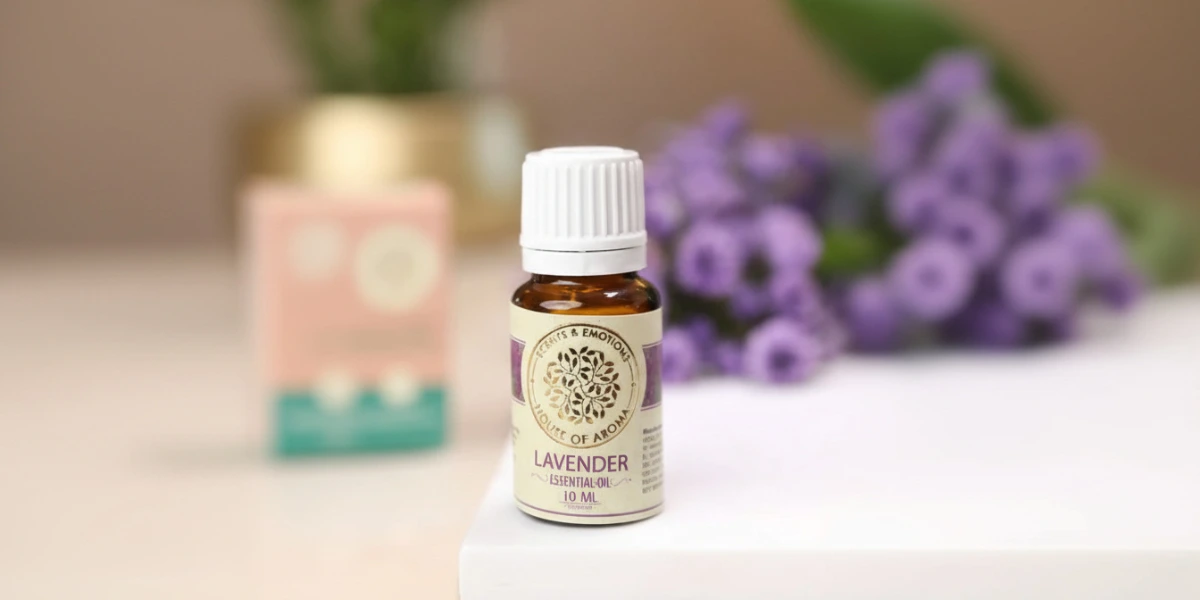
Widely regarded as the “Swiss Army Knife” of essential oils, Lavender is famous for its calming properties. It is the go-to choose for those struggling with insomnia, anxiety, or high stress levels.
1. Best for:
Deep sleep, stress relief, and soothing minor skin irritations.
Deep sleep, stress relief, and soothing minor skin irritations.
2. Pro Tip:
Add 5 drops to an electric diffuser before bedtime.
Add 5 drops to an electric diffuser before bedtime.
2. Peppermint Essential Oil: The Energy Booster
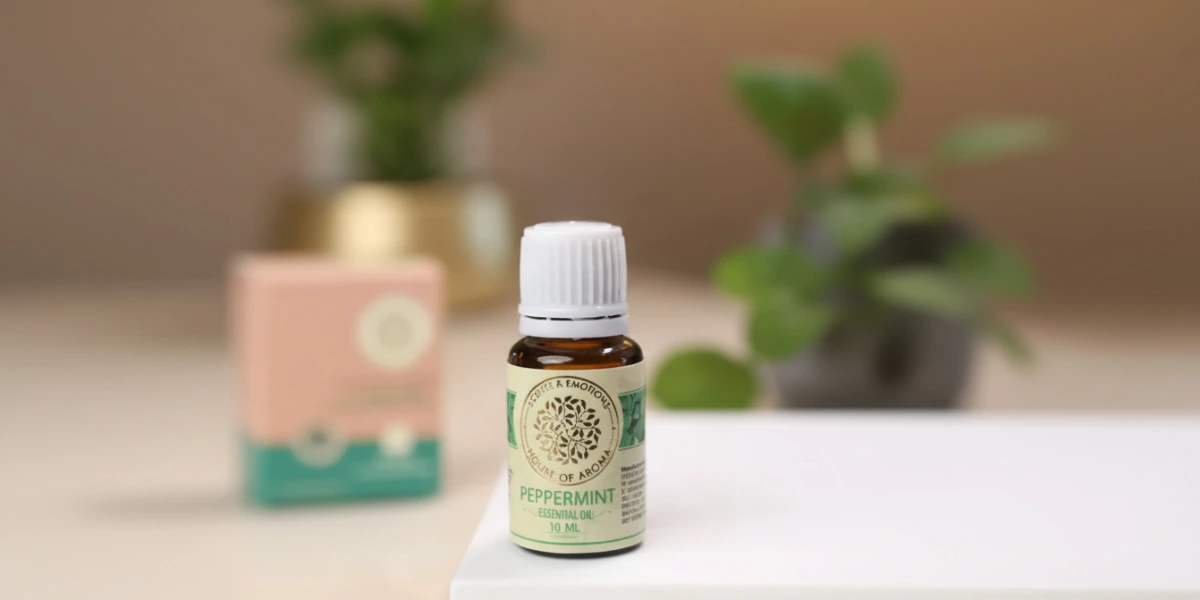
If you need a mental “pick-me-up,” Peppermint is your best friend. Its cooling menthol scent instantly sharpens focus and can even help alleviate tension headaches.
1. Best for:
Mental clarity, energy, and digestive support.
Mental clarity, energy, and digestive support.
2. Pro Tip:
Inhale directly from the bottle during your midday slump.
Inhale directly from the bottle during your midday slump.
3. Eucalyptus (Nilgiri) Oil: The Respiratory Savior
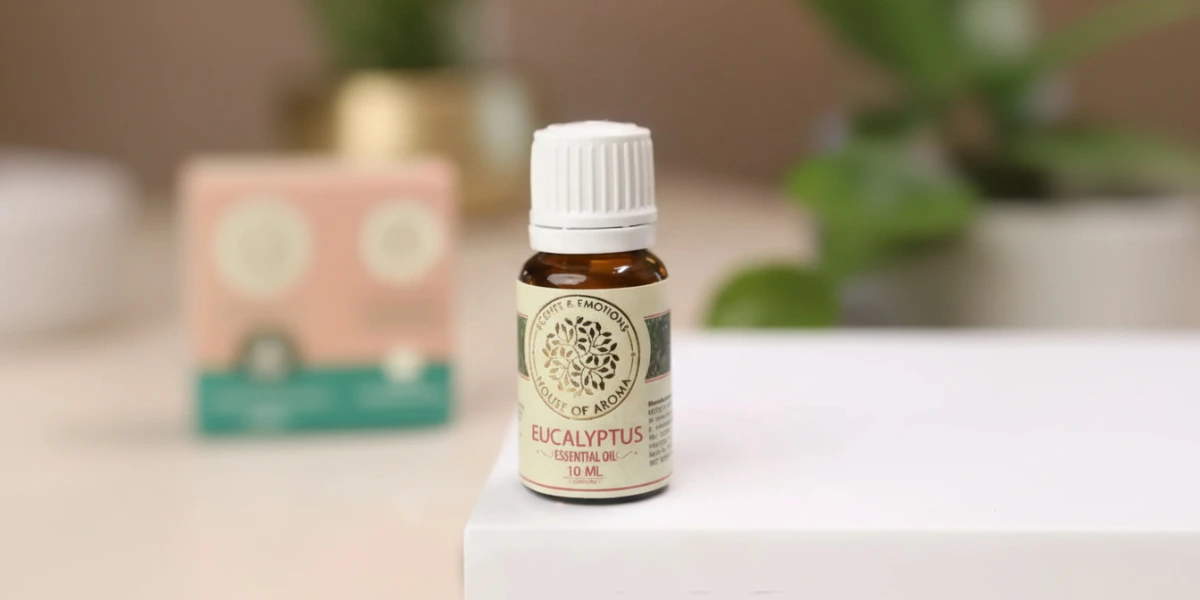
Eucalyptus is a powerhouse for clearing the airways. It is widely used in India as a natural remedy for colds, coughs, and congestion.
1. Best for:
Respiratory health, immunity, and refreshing the air.
Respiratory health, immunity, and refreshing the air.
2. Internal Link:
Explore our Eucalyptus Essential Oil for seasonal wellness.
Explore our Eucalyptus Essential Oil for seasonal wellness.
4. Tea Tree Essential Oil: Nature's Antiseptic
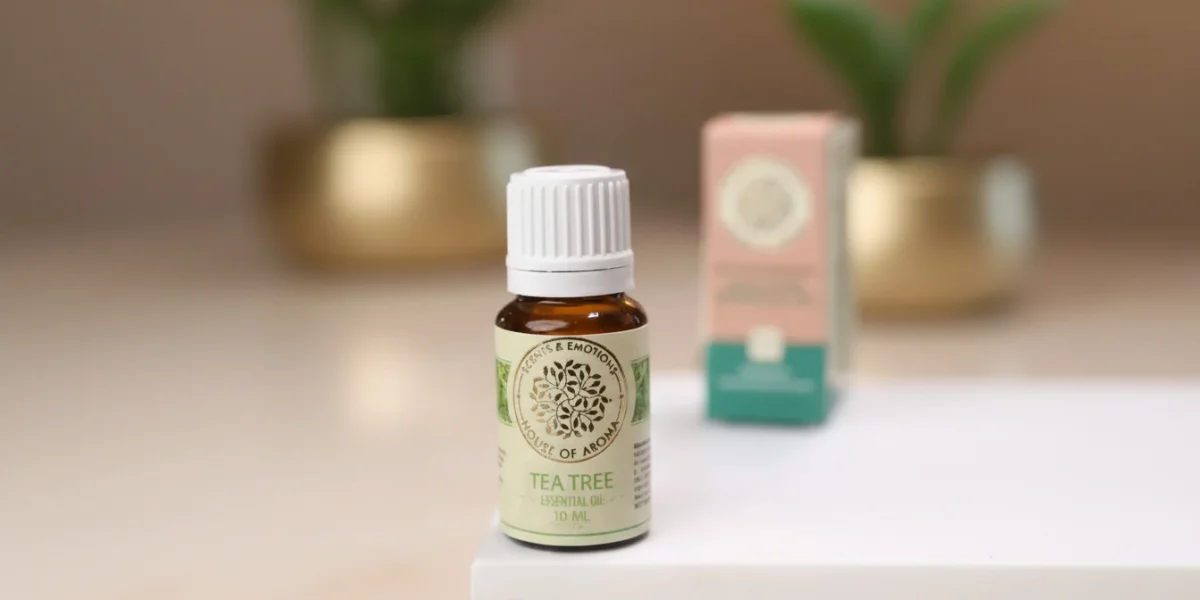
Known for its potent antibacterial and antifungal properties, Tea Tree is a staple in skincare. It is highly effective at treating acne and maintaining a healthy scalp.
1. Best for:
Acne-prone skin, dandruff, and natural disinfection.
Acne-prone skin, dandruff, and natural disinfection.
2. Internal Link:
Learn how to use Tea Tree Oil for skin.
Learn how to use Tea Tree Oil for skin.
5. Rosemary Essential Oil: The Hair Growth Secret
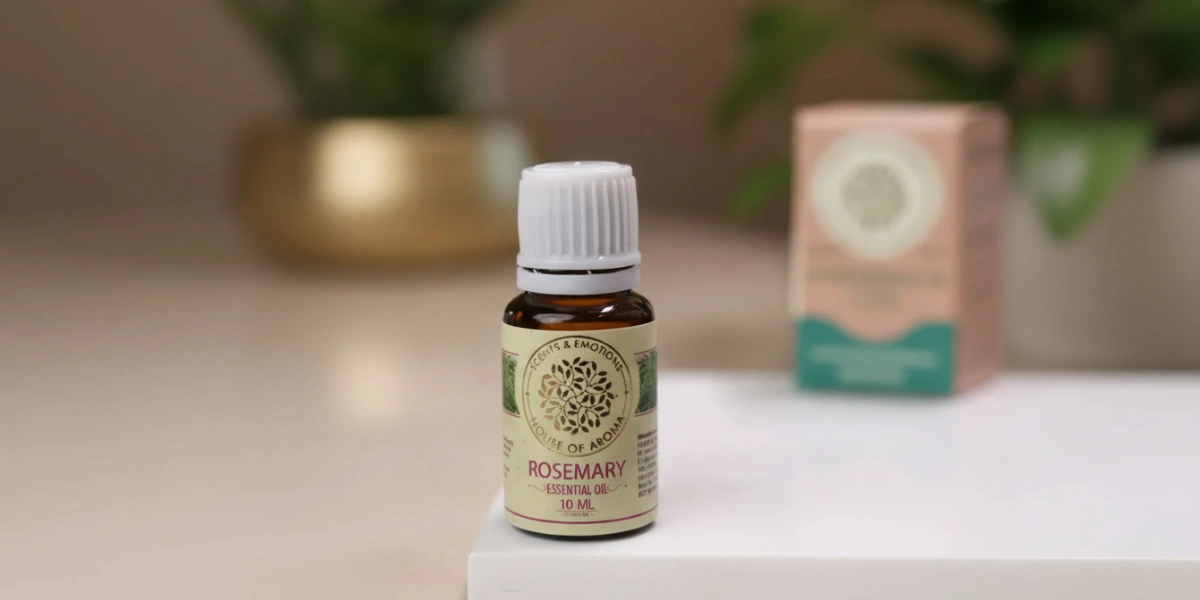
Rosemary isn’t just for the kitchen; it’s a celebrated oil for stimulating hair follicles and improving memory retention.
1. Best for:
Hair growth, scalp health, and cognitive function.
Hair growth, scalp health, and cognitive function.
2. Internal Link:
Check out our guide on Rosemary Oil for hair.
Check out our guide on Rosemary Oil for hair.
6. Frankincense Essential Oil: The King of Oils
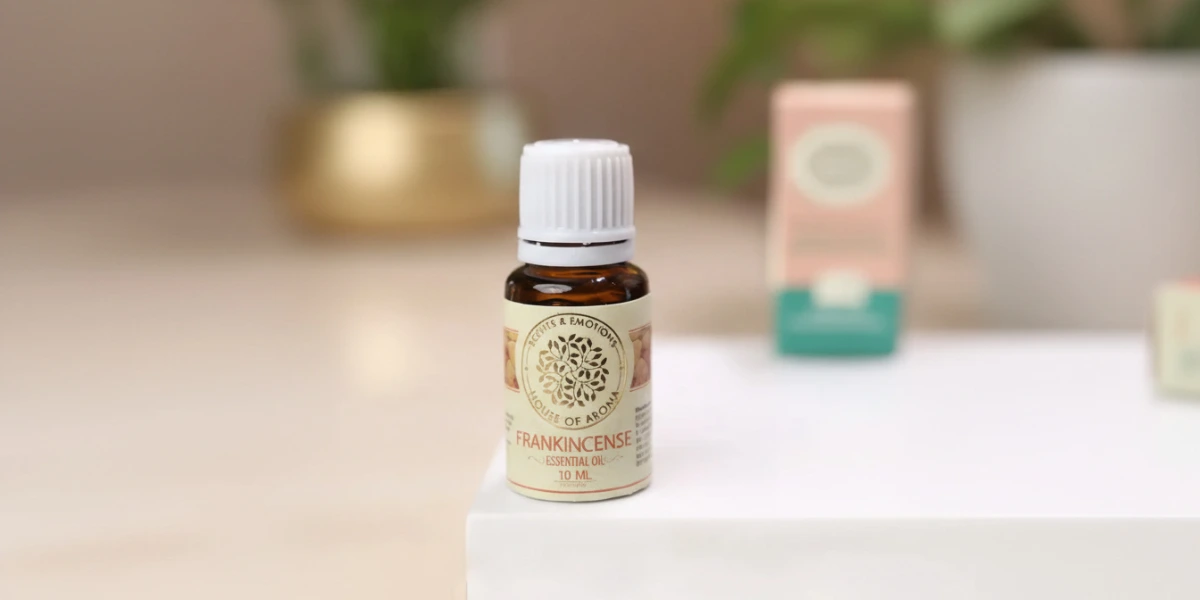
Used for centuries in spiritual practices, Frankincense has a woody, grounding aroma. It is excellent for meditation and possesses anti-aging properties for the skin.
1. Best for:
Grounding, meditation, and reducing fine lines.
Grounding, meditation, and reducing fine lines.
2. Pro Tip:
Mix with a carrier oil for a rejuvenating face massage.
Mix with a carrier oil for a rejuvenating face massage.
7. Lemongrass Essential Oil: The Refreshing Purifier
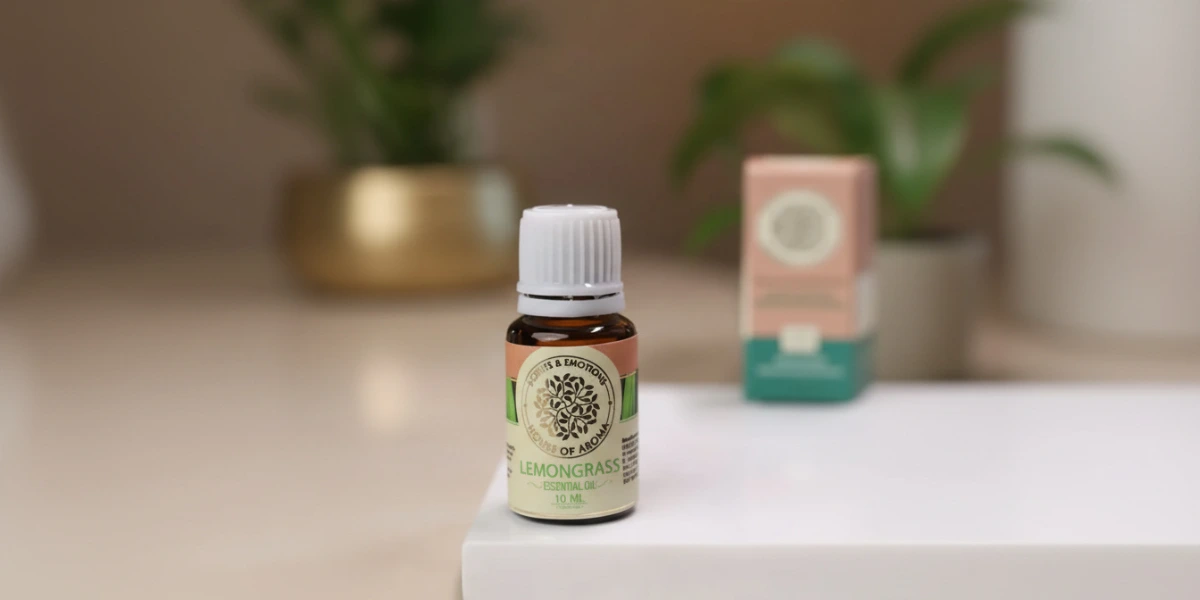
With its crisp, citrusy scent, Lemongrass is perfect for purifying the home environment and acting as a natural insect repellent.
1. Best for:
Uplifting mood, air purification, and muscle aches.
Uplifting mood, air purification, and muscle aches.
8. Bergamot Essential Oil: The Mood Balancer
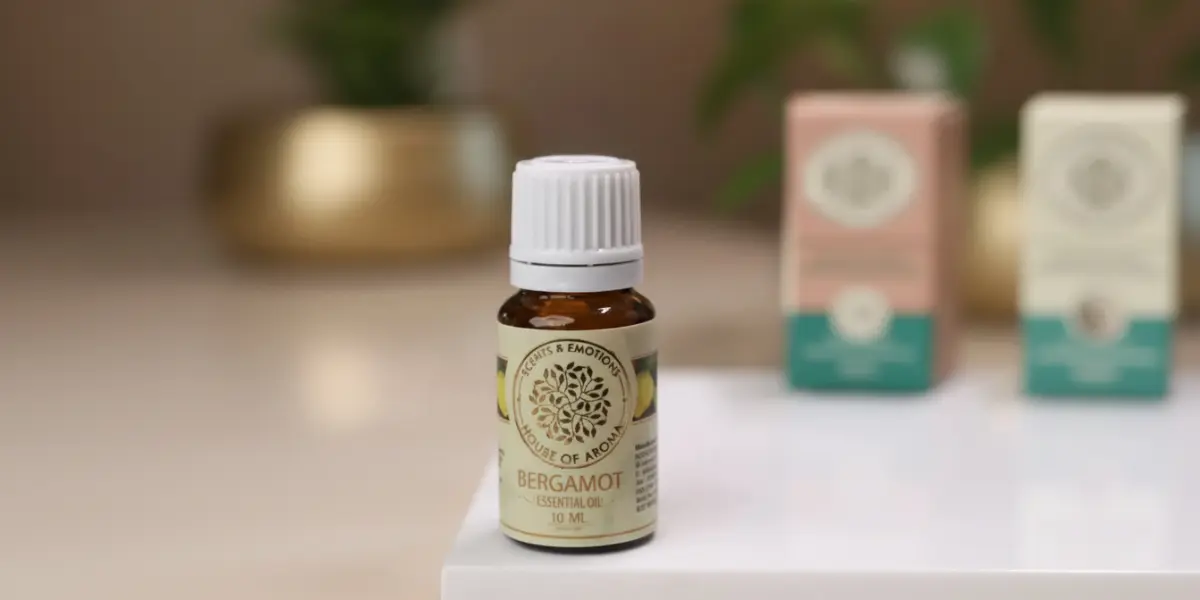
Unique among citrus oils, Bergamot is both uplifting and calming. It is frequently used to reduce symptoms of anxiety and depression.
1. Best for:
Emotional balance and oily skin.
Emotional balance and oily skin.
9. Ylang Ylang Essential Oil: The Romantic Scent
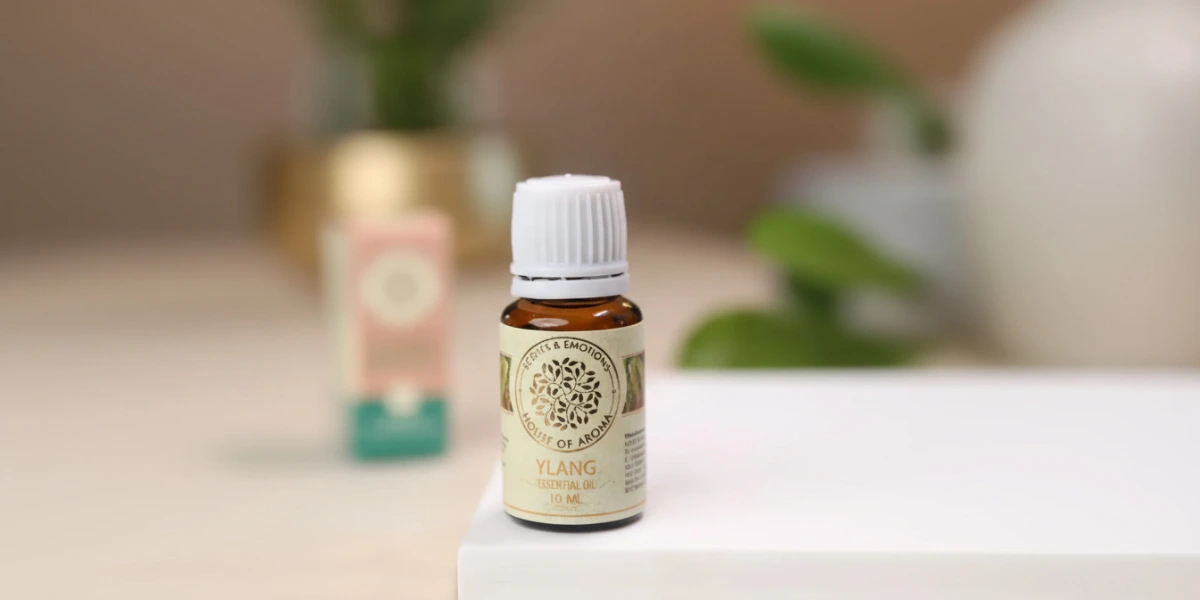
This exotic floral oil is known to lower blood pressure and act as a natural aphrodisiac. It is also great for balancing oil production in the skin and hair.
1. Best for:
Stress reduction, romance, and hair strengthening.
Stress reduction, romance, and hair strengthening.
10. Vetivert (Khus) Essential Oil: The Grounding Root
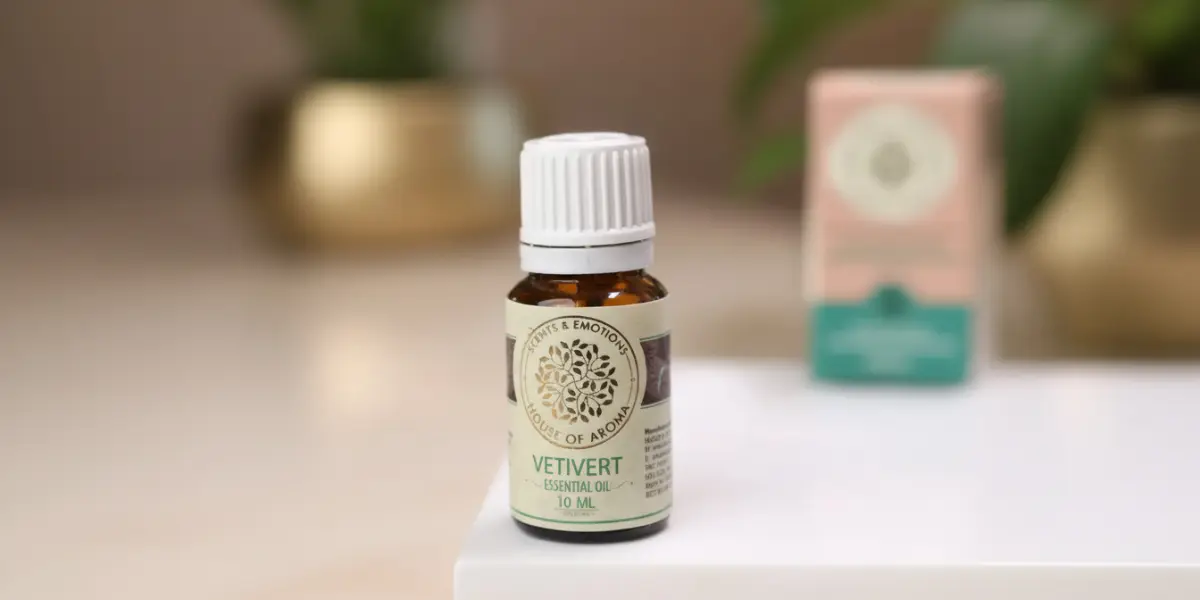
Commonly known as the “Oil of Tranquility,” Vetivert has a deep, earthy aroma that is incredibly grounding for the nervous system.
1. Best for:
Severe stress, ADHD support, and grounding.
Severe stress, ADHD support, and grounding.
How to Categorize Essential Oils by Benefit
To make your selection easier, we can group these oils into “Aromatherapy Profiles.” Understanding how to categorize essential oils benefits allows you to tailor your wellness routine to your specific needs, whether you are seeking emotional stability or physical relief. By choosing high-quality organic essential oils, you ensure that the therapeutic compounds remain potent and free from synthetic additives. Navigating the vast world of aromatherapy products becomes much simpler when you view each essential oil and aromatherapy blend through the lens of its primary function be it calming, energizing, or healing. Below, we break down these categories to help you curate your perfect home collection
1. Calming/Sedative:
Lavender, Ylang Ylang, Vetivert.
Lavender, Ylang Ylang, Vetivert.
2. Energizing/Uplifting:
Peppermint, Lemon, Bergamot.
Peppermint, Lemon, Bergamot.
3. Medicinal/Healing:
Tea Tree, Eucalyptus, Clove.
Tea Tree, Eucalyptus, Clove.
4. Beauty/Glow:
Rosemary, Frankincense, Patchouli.
Rosemary, Frankincense, Patchouli.
Effective Ways to Use Essential Oils at Home
1. Diffusion
The easiest way to enjoy aromatherapy is through an ultrasonic or electric diffuser. Simply add water and a few drops of your chosen oil to transform your room’s vibration.
2. Topical Application
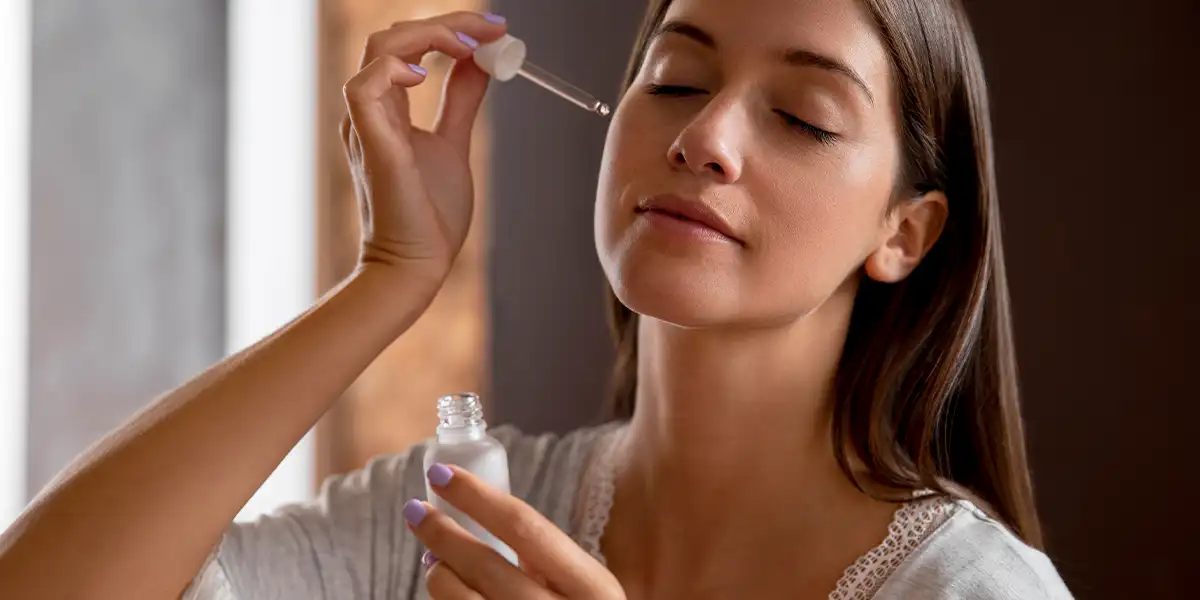
Never apply pure essential oils directly to the skin. Always dilute them with a carrier oil (like Coconut, Jojoba, or Almond oil). A standard ratio is 2-3 drops of essential oil per teaspoon of carrier oil.
3. Aromatherapy Candles
For those who prefer a flickering flame and a subtle scent, Aromatherapy Candles infused with pure essential oils are a perfect choice. They combine the benefits of light therapy with fragrance.
Why Quality Matters: The House of Aroma Difference
Not all oils are created equal. Many “scented oils” on the market are synthetic and contain zero therapeutic benefits. At House of Aroma, our essential oils are:
1. 100% Pure and Natural:
No synthetic fillers or fragrances.
No synthetic fillers or fragrances.
2. Ethically Sourced:
We prioritize the integrity of the plant material.
We prioritize the integrity of the plant material.
3. Therapeutic Grade:
Designed specifically for aromatherapy and wellness.
Designed specifically for aromatherapy and wellness.
Safety Precautions
1. Dilution is Key:
Always use a carrier oil for skin application.
Always use a carrier oil for skin application.
2. Patch Test:
Before full use, test a small area of skin to check for sensitivities.
Before full use, test a small area of skin to check for sensitivities.
3. Pregnancy and Pets:
Some oils are not safe for pregnant women or pets (like Tea Tree for cats). Always consult a professional.
Some oils are not safe for pregnant women or pets (like Tea Tree for cats). Always consult a professional.
Conclusion
The world of aromatherapy offers a natural solution for almost every modern ailment. By choosing the right types of essential oils used in aromatherapy, you can take control of your mental and physical health. Whether you are diffusing Lavender for a restful night or using Rosemary for thicker hair, the power of nature is just a drop away.
Ready to start your wellness journey? Explore the full list of essential oils and their uses today and experience the difference of authentic, high-quality botanical extracts.
FAQ's
Aromatherapy essential oils are highly concentrated plant extracts obtained through steam distillation or cold pressing. Unlike synthetic fragrances, these oils contain the volatile aromatic compounds of the plant’s flowers, leaves, bark, or roots. In aromatherapy, these “living” oils are used to trigger specific physical and emotional responses through the olfactory system.
The term “essential” does not mean they are indispensable for human health like vitamins. Instead, it refers to the fact that the oil contains the “essence“ of the plant its unique fragrance and chemical profile. It is the distilled soul of the botanical source, capturing its therapeutic properties in a potent liquid form.
Essential oils serve a variety of purposes across health, beauty, and home care:
- Mental Wellness: Reducing stress, anxiety, and improving sleep quality.
- Physical Relief: Soothing muscle aches, headaches, and respiratory congestion.
- Skincare & Haircare: Treating acne, reducing signs of aging, and stimulating hair follicles.
- Natural Cleaning: Using antibacterial properties (like Lemon or Eucalyptus) to sanitize surfaces.
There are three primary methods for using essential oils:
- Inhalation: Breathing in the scent via diffusers, steam, or directly from the bottle.
- Topical Application: Applying diluted oils to the skin for absorption (common in massages or skincare).
- Environmental: Using them to scent a space or refresh linens.
The most effective way to use them at home is through a House of Aroma Diffuser. Simply add water and 5–8 drops of oil. For a more personal experience, you can add 10 drops of Lavender Essential Oil to a warm bath mixed with Epsom salts to create a spa-like atmosphere in your own bathroom.
You don’t need a machine to enjoy aromatherapy! Try these methods:
- Cotton Ball Method: Place 2 drops of oil on a cotton ball and tuck it into your pillowcase or car vent.
- Bowl of Hot Water: For congestion, add Eucalyptus Oil to steaming water and inhale the vapor.
- DIY Spray: Mix 15 drops of oil with 60ml of water in a spray bottle to mist your curtains and carpets.
To keep your home smelling fresh naturally, use a Ceramic Oil Burner with uplifting oils like Lemongrass or Citronella. You can also add a few drops of Lemon oil to your floor cleaning mop water for a chemical-free, zesty aroma that lingers.
Many essential oils offer a complex scent profile that rivals luxury perfumes. Popular choices include:
- Rosemary Essential Oil: For a fresh, herbal, and invigorating scent.
- Ylang Ylang: For a sweet, exotic, and floral fragrance.
- Bergamot: For a sophisticated, citrusy, and spicy aroma.
- Sandalwood: For a deep, woody, and grounding base note.
Note: Always dilute with a carrier oil (like Jojoba) before applying to pulse points.
Aromatherapy is a form of complementary medicine that uses essential oils the “essence” of a plant to stimulate the brain’s limbic system. This area of the brain is responsible for our emotions, memories, and even our hormone balance. When you inhale these oils, they send signals to your nervous system that can lower stress, boost energy, or aid sleep.
If you don’t have a diffuser yet, you can still enjoy the benefits:
- The Cotton Ball Hack: Put 2 drops of oil on a cotton ball and place it in your car’s AC vent or your pillowcase.
- DIY Room Spray: Mix 10 drops of Peppermint Essential Oil with water and a splash of witch hazel in a spray bottle. Shake and spritz!
- Tissue Inhalation: Simply put a drop of oil on a tissue and inhale whenever you need a quick boost.
Floral and woody oils like Rose, Jasmine, Sandalwood, and Bergamot are the best natural alternatives to synthetic perfumes.
Absolutely! Lemongrass and Lemon are excellent for neutralizing kitchen odors, while Lavender is perfect for the bedroom.
While natural, they are powerful. Avoid use during the first trimester of pregnancy unless guided by a professional. Always keep them out of reach of children and pets (especially Tea Tree oil, which can be toxic to cats).14
At House of Aroma, we believe in the purity of nature. Our oils are 100% pure, therapeutic-grade, and ethically sourced. Whether you are looking for Essential Oils for Hair or a way to de-stress, we provide the highest quality botanical extracts to help you live better.