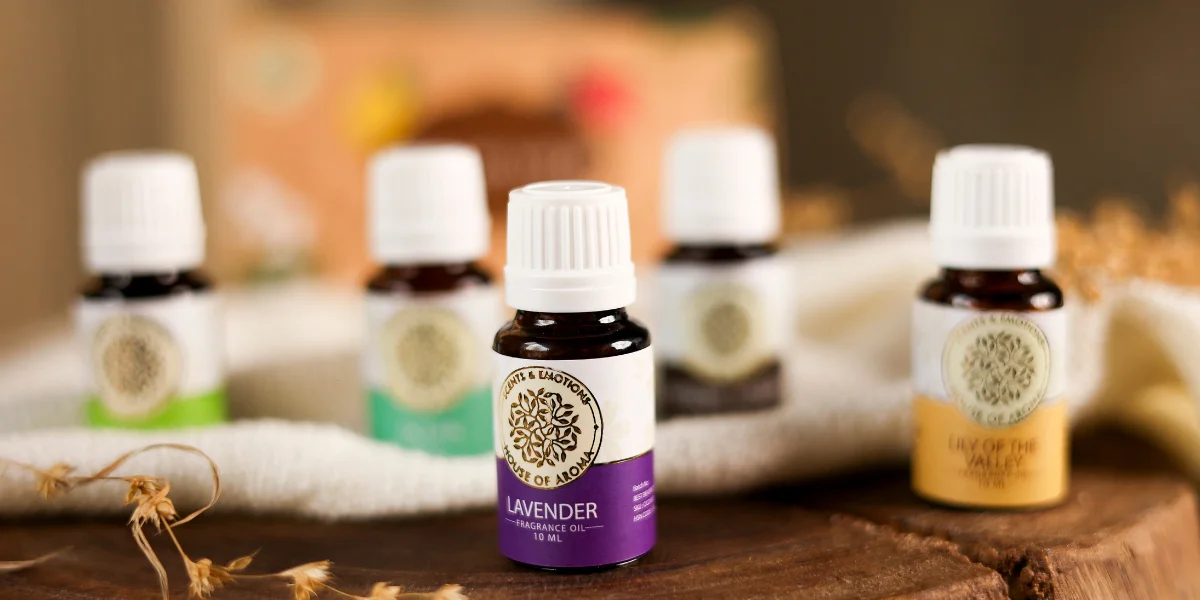

Natural Oils for Home Fragrance offer a nature-inspired way to make your home feel more welcoming, relaxing and personal. From refreshing living rooms and calming bedrooms to inviting workspaces, the right natural essential oils can add beautiful aromas and create a more pleasant atmosphere in everyday spaces.
From floral and citrus notes to earthy, woody and herbal aromas, the right home fragrance oil can transform the atmosphere of a room. Essential oils can also be used with suitable diffusers and other fragrance formats to create a personalised scent experience.
At House of Aroma, fragrance is about more than simply making a room smell good. Our collection brings together essential oils, fragrance oils, diffusers, scented candles, room sprays, wax tablets and other natural home fragrance products designed to help you create a beautifully fragranced environment.
What are natural essential oils?
Natural essential oils are concentrated aromatic extracts obtained from botanical sources such as flowers, leaves, herbs, fruits, roots and woods.
Can essential oils be used for home fragrance?
Yes. Suitable essential oils can be used with compatible diffusers and other fragrance applications to create an aromatic environment at home.
What is the best fragrance for home?
The best fragrance for home depends on your preferred scent profile and the atmosphere you want to create. Floral, citrus, woody and herbal fragrances are popular choices.
Are essential oils and fragrance oils the same?
No. Essential oils are aromatic extracts derived from botanical materials, while fragrance oils are formulated aromatic blends created for specific scent profiles and applications.
Why are natural home fragrance products popular?
Natural home fragrance products appeal to people who enjoy botanical-inspired scents and want to incorporate fragrance into their everyday living spaces.
What Are Natural Essential Oils?
Natural essential oils are concentrated aromatic extracts derived from different parts of plants. Depending on the botanical source, an oil may have floral, citrus, herbal, earthy, woody or fresh characteristics.
Popular examples include lavender, bergamot, eucalyptus, peppermint, rosemary, lemongrass, patchouli and vetiver. Each has its own distinctive aroma, making it possible to choose an oil according to your preferred fragrance profile.
House of Aroma offers a selection of essential oils inspired by different botanical fragrance families, including lavender, bergamot, eucalyptus, peppermint, rosemary, lemongrass, patchouli and vetiver.
It is important to remember that “natural” does not automatically mean that an oil is suitable for every person, pet, surface or application. Essential oils are concentrated materials and should always be used according to the product’s intended instructions.
How are natural essential oils made?
Essential oils are commonly obtained from botanical materials using methods such as steam distillation or cold pressing, depending on the plant.
Which natural essential oils are popular for home fragrance?
Lavender, bergamot, eucalyptus, peppermint, lemongrass, rosemary and other botanical oils are commonly chosen for their distinctive aromas.
Can natural essential oils be mixed?
Some essential oils can be blended to create personalised fragrance profiles, provided the oils are compatible with the intended application.
How should essential oils be stored?
Keep essential oils tightly closed and away from excessive heat, moisture and direct sunlight.
Can essential oils be used directly on surfaces?
Not generally. Concentrated oils may damage certain surfaces, so always follow the manufacturer’s instructions for the intended application.
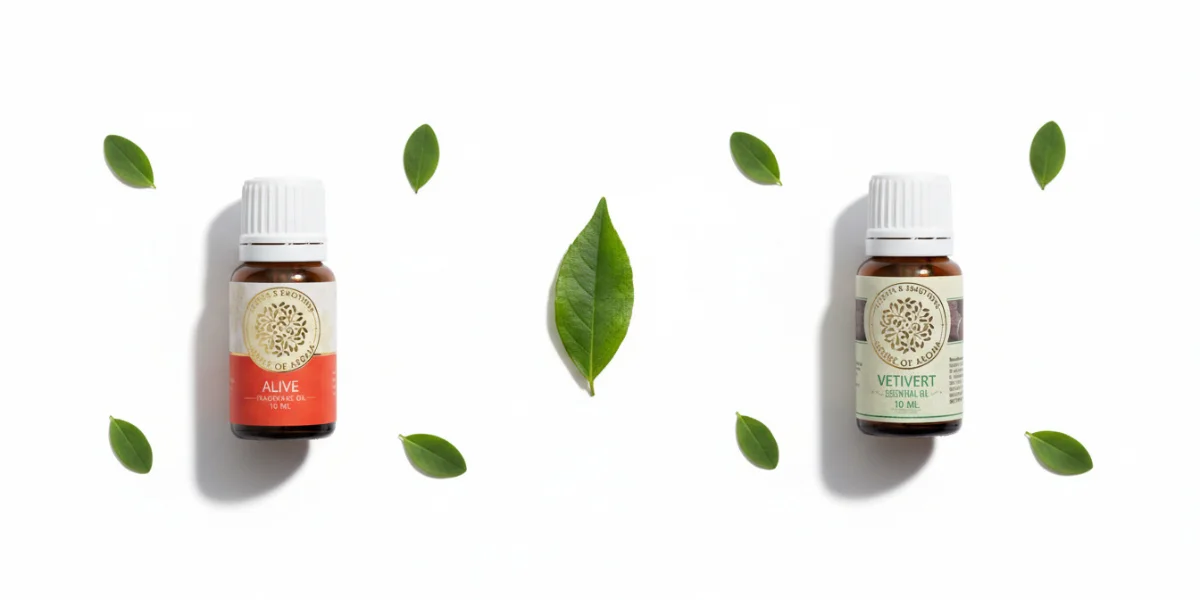
Natural Essential Oils vs Home Fragrance Oils: What’s the Difference?
The terms natural essential oils and home fragrance oil are sometimes used interchangeably, but they are not necessarily the same.
Essential oils are aromatic extracts associated with botanical sources. Fragrance oils, on the other hand, are formulated to create specific scent profiles and can contain a combination of aromatic ingredients.
For example, a fragrance oil can be created around a particular mood or scent concept such as vanilla, oud, ocean, floral or luxury-inspired fragrance. This allows fragrance brands to develop consistent and distinctive scents for products such as diffusers, candles and room fragrances.
House of Aroma offers both essential oils and fragrance-led home fragrance products, allowing customers to choose according to their preferred fragrance experience and application. Its collection includes essential oils, fragrance oils, diffusers, candles, room sprays and wax tablets.
What is the main difference between essential oils and fragrance oils?
Essential oils are aromatic extracts from botanical sources, while fragrance oils are formulated blends designed to achieve particular fragrance profiles.
Is a home fragrance oil the same as an essential oil?
No. A home fragrance oil may be formulated specifically for home scenting, while an essential oil is generally associated with a botanical aromatic extract.
Which is better for a diffuser?
The answer depends on the diffuser and the product. Always use oils recommended for your specific diffuser.
Can fragrance oils be used in candles?
Some fragrance oils are specifically formulated for candle-making and scented-candle applications. Always check the product specifications before use.
Does House of Aroma offer both types of oils?
Yes. House of Aroma has dedicated collections for essential oils and fragrance oils, along with diffuser and other home-fragrance products.
How to Choose the Right Fragrance for Home by Room
Different rooms can benefit from different scent personalities. Instead of choosing one fragrance for the entire house, you can create a scent experience that complements the purpose of each space.
Living Room: Welcoming and Elegant
The living room is usually a social space, so fresh, floral, citrus or sophisticated woody aromas can work well.
Bergamot can provide a bright citrus character, while woody profiles such as sandalwood or oud can create a warmer, more luxurious atmosphere.
Bedroom: Calm and Comforting
For bedrooms, many people prefer softer floral, herbal or woody aromas. Lavender is a popular choice for a relaxing fragrance experience, while floral notes can create a gentle atmosphere.
Kitchen: Fresh and Clean
Fresh citrus and herbal profiles can complement kitchen spaces. Lemon, lemongrass, eucalyptus or rosemary-inspired aromas can provide a crisp fragrance character.
Bathroom: Fresh and Invigorating
Fresh, green, citrus and herbal notes can work particularly well in bathrooms. They can help create a clean and refreshed atmosphere.
Home Office: Fresh and Energising
Citrus, mint and herbal fragrance profiles can create a fresh environment for your workspace. Peppermint, rosemary and bergamot are examples of aromas that can suit this type of setting.
Which fragrance is best for a living room?
Fresh citrus, floral, woody and sophisticated fragrance profiles can work well in living rooms.
Which essential oil is suitable for a bedroom?
Lavender is a popular choice for bedrooms because of its soft and calming fragrance character.
Which fragrance works well in a kitchen?
Fresh citrus and herbal aromas such as lemon, lemongrass and rosemary can complement kitchen spaces.
What fragrance is good for a home office?
Fresh citrus, mint and herbal profiles can be suitable choices for a workspace.
Should every room have the same fragrance?
Not necessarily. Using different fragrance profiles in different rooms can create distinct atmospheres throughout the home.

How to Use Natural Essential Oils for Home Fragrance
There are several ways to incorporate natural essential oils into your home fragrance routine. The right method depends on the oil, product and equipment being used.
1. Electric Diffusers
Electric diffusers can disperse suitable oils into the surrounding space. Always follow the instructions provided with the diffuser and use the recommended quantity of oil.
2. Reed Diffusers
Reed diffusers provide continuous, passive fragrance without requiring electricity. However, they generally use specially formulated diffuser fragrance rather than simply adding concentrated essential oils directly to the bottle.
3. Room Sprays
Room sprays offer a quick way to refresh a space. House of Aroma has room sprays as part of its wider home fragrance collection.
4. Scented Candles
Candles combine fragrance with the visual warmth of a flame. They can be particularly effective for creating an evening or entertaining atmosphere.
5. Wax Tablets
Wax tablets are another way to introduce fragrance into wardrobes, drawers and smaller spaces. House of Aroma offers natural wax tablets within its home fragrance collection.
How many drops of essential oil should I use in a diffuser?
The amount depends on the diffuser, room size and manufacturer’s instructions. Always start with the recommended quantity rather than adding excessive oil.
Can essential oils be used in every diffuser?
No. Different diffusers have different requirements, so check whether your diffuser is designed for essential oils.
Can I put essential oil directly into a reed diffuser?
Do not assume that concentrated essential oil can be used directly in a reed diffuser. Use a diffuser formulation recommended for that type of product.
How often should I clean an essential-oil diffuser?
Follow the diffuser manufacturer’s cleaning instructions and clean it regularly to prevent oil residue from accumulating.
Can I combine different oils in a diffuser?
Some oils can be blended, but it is best to check compatibility and use a simple combination of complementary aromas.
How to Create a Signature Home Fragrance
Creating a signature fragrance for home is similar to creating a personal perfume. You can combine different fragrance families to build a scent that reflects your personality and the mood of your space.
A fragrance blend is often understood through three layers:
Top Notes
These are the aromas noticed first. Citrus and mint-inspired notes are common examples.
Middle Notes
Middle notes form the heart of the fragrance. Floral and herbal profiles can add character and depth.
Base Notes
Base notes provide warmth and depth. Woody, earthy and resinous profiles can create a richer fragrance experience.
Instead of mixing many oils at once, start with two complementary profiles. For example, a fresh citrus note can be paired with a floral or woody note to create contrast.
For a more consistent result, use products specifically formulated for the intended application rather than experimenting with concentrated oils in products where they are not designed to be used.
What are the three layers of fragrance?
The three common fragrance layers are top notes, middle notes and base notes.
Which oils work well with citrus fragrances?
Citrus notes can pair well with floral, herbal, mint and woody profiles.
Can floral and woody fragrances be combined?
Yes. Floral and woody profiles can create a balanced fragrance with both softness and depth.
How many oils should I combine?
For beginners, starting with two complementary oils is simpler than combining many different fragrances.
Can House of Aroma fragrances be layered?
House of Aroma’s range includes different fragrance formats and scent profiles, allowing customers to create a more personalised home fragrance experience.
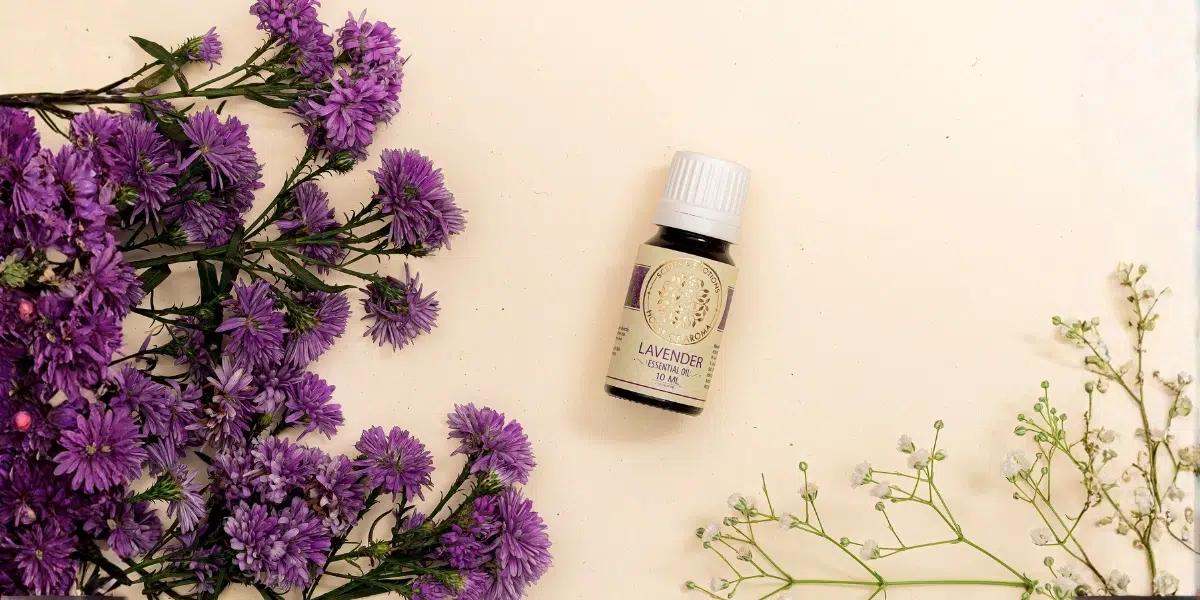
Natural Home Fragrance Products for Different Spaces
A complete home fragrance experience does not have to rely on one product.
Today, natural home fragrance products and fragrance-led home products are available in several formats, each serving a different purpose.
Essential Oils
Suitable for compatible diffusers and aromatic applications, essential oils provide concentrated botanical-inspired fragrance.
Fragrance Oils
A home fragrance oil can be used in appropriate fragrance applications to create specific scent profiles.
Reed Diffusers
Reed diffusers provide passive fragrance and work particularly well in areas such as hallways, bathrooms and living spaces.
Scented Candles
Scented candles combine fragrance with ambience, making them suitable for living rooms, bedrooms and special occasions.
Room Sprays
Room sprays are convenient when you want an immediate fragrance refresh.
Wax Tablets
Wax tablets can add fragrance to wardrobes, drawers and other smaller areas.
House of Aroma’s home fragrance collection brings together these different formats, including fragrance oils, natural scented candles, room sprays, diffusers, wax tablets and essential oils.
What are examples of natural home fragrance products?
Examples include essential oils, suitable fragrance oils, scented candles, diffusers, room sprays and wax products.
Which home fragrance product lasts the longest?
Longevity depends on the product, fragrance concentration, room size, airflow and frequency of use.
Are reed diffusers good for continuous fragrance?
Yes. Reed diffusers are designed to release fragrance gradually without electricity.
Which home fragrance product is best for a quick refresh?
Room sprays are convenient when you want to refresh a room quickly.
What home fragrance products does House of Aroma offer?
House of Aroma offers essential oils, fragrance oils, diffusers, scented candles, room sprays, wax tablets and other fragrance products.
Safety Tips When Using Essential Oils at Home
Although essential oils are derived from botanical sources, they are concentrated aromatic materials and should be handled responsibly.
Keep oils away from the eyes and mouth, store them securely and follow the manufacturer’s instructions for each product.
If you have children or pets at home, check the specific oil and application method before use. Some essential oils may not be appropriate around certain animals.
It is also important to distinguish between a product being natural and being universally safe. The appropriate concentration, application, ventilation and intended use all matter.
Are natural essential oils safe to use at home?
They can be used safely when the appropriate product is used correctly and according to its instructions.
Can essential oils be ingested?
Do not ingest essential oils unless a qualified healthcare professional specifically advises it for a particular product and purpose.
Can essential oils be used around pets?
Some essential oils may be harmful to certain animals. Research the specific oil and consult a veterinarian when appropriate.
Should rooms be ventilated when using strong fragrances?
Reasonable ventilation is advisable, particularly when using concentrated or strong fragrances.
Where should essential oils be stored?
Keep them tightly closed, away from direct sunlight and heat, and out of reach of children and pets.
Why Choose House of Aroma for Home Fragrance?
House of Aroma brings together fragrance, wellness and lifestyle products designed to help transform everyday spaces through scent.
Its collection includes natural essential oils, fragrance oils, diffusers, scented candles, room sprays, wax tablets and other home fragrance formats. The brand also offers different fragrance families, from floral and citrus profiles to woody and more luxurious aromas.
For customers in India looking to build a personalised fragrance experience at home, House of Aroma provides multiple formats rather than limiting the experience to a single product.
Whether you want essential oils for a compatible diffuser, a fragrance oil for your home, a reed diffuser for continuous scent or a scented candle for ambience, House of Aroma offers options for different spaces and preferences.
What makes House of Aroma a home fragrance brand?
House of Aroma offers a broad collection of home fragrance and aromatic products, including essential oils, fragrance oils, diffusers, candles, room sprays and wax tablets.
Does House of Aroma offer natural essential oils?
Yes. House of Aroma has an essential-oil collection featuring options such as lavender, bergamot, eucalyptus, peppermint, rosemary, lemongrass, patchouli and vetiver.
Can I use House of Aroma oils with a diffuser?
House of Aroma offers oils specifically for diffuser applications, as well as electric diffusers. Always follow the instructions for the particular product and diffuser.
Does House of Aroma offer fragrance oils for home?
Yes. House of Aroma has a dedicated fragrance-oil collection as part of its wider home fragrance range.
What other House of Aroma products can I use to fragrance my home?
The brand offers reed diffusers, scented candles, natural scented candles, room sprays, wax tablets, essential oils and fragrance oils.
Conclusion
Choosing the right fragrance for home is about understanding your space, your preferred scent profile and the fragrance format that works best for your lifestyle.
From natural essential oils and aromatherapy-inspired aromas to fragrance oils, diffusers, candles and room sprays, there are many ways to create a home that feels inviting and distinctly yours.
House of Aroma brings these fragrance experiences together through a curated range of essential oils and natural home fragrance products designed for modern Indian homes. Whether you prefer fresh citrus, calming florals, refreshing herbs or warm woody aromas, the right scent can become an integral part of how your home feels every day.
What is the best natural oil for home fragrance?
The best oil depends on the room and the atmosphere you want to create. Lavender can suit relaxing spaces, citrus oils can provide a fresh character, while woody oils can create a warmer ambience.
What is a home fragrance oil?
A home fragrance oil is an aromatic formulation designed for applications such as diffusers, burners or other home-scenting products, depending on its specifications.
Are natural essential oils better than synthetic fragrances?
They are different types of fragrance materials. Natural essential oils are derived from botanical sources, while many fragrance products are formulated blends. The appropriate choice depends on the intended application and desired fragrance experience.
Can I use natural essential oils every day?
Suitable essential oils can be incorporated into a regular home fragrance routine when used correctly and according to product and diffuser instructions.
What is the easiest way to add fragrance to a home?
Diffusers, reed diffusers and room sprays are convenient options. The best format depends on whether you want continuous fragrance, a controlled scent experience or a quick refresh.
Which fragrance is suitable for a bedroom?
Soft floral, herbal and woody fragrances are popular choices for bedrooms. Lavender is one commonly selected option.
Which fragrance is suitable for a living room?
Citrus, floral, woody and sophisticated fragrance profiles can work well in living rooms.
Can I use essential oils and fragrance oils in the same diffuser?
Only if the diffuser and the specific products are designed for that combination. Always follow the manufacturer’s instructions.
How can I make my home smell good naturally?
You can use suitable natural essential oils, diffusers, botanical-inspired fragrance products, scented candles and other natural home fragrance products according to their intended use.
Where can I buy natural home fragrance products in India?
House of Aroma offers a range of home fragrance and essential-oil products online in India, including essential oils, fragrance oils, diffusers, candles, room sprays and wax tablets.