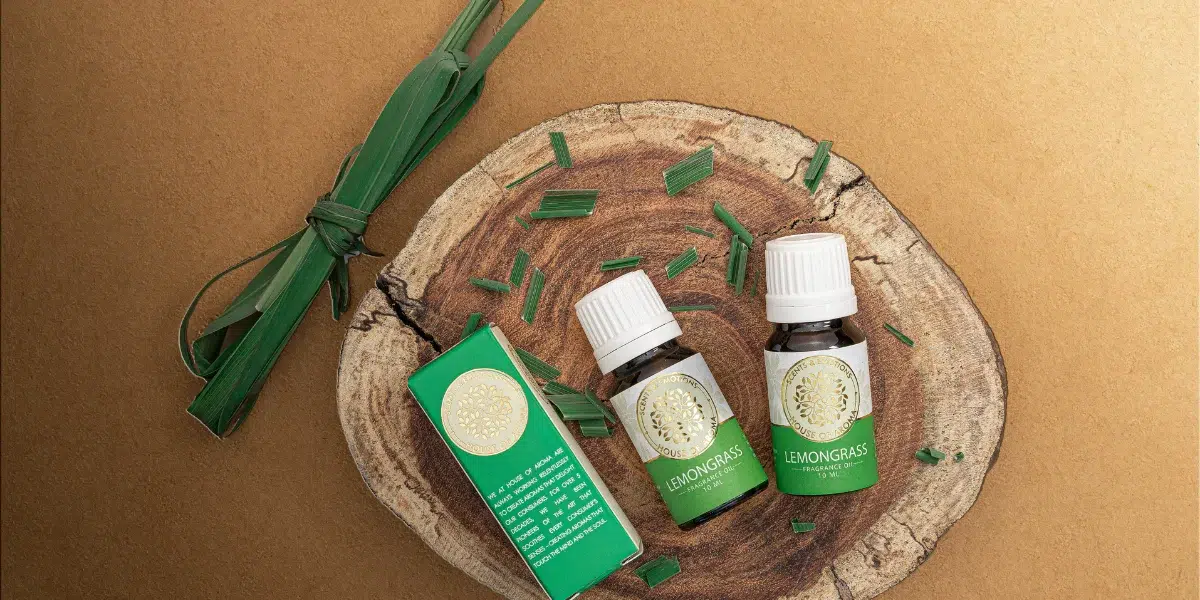
How to use aromatherapy oils at home is simpler than the shelf of tiny bottles makes it look. You don’t need a routine with twelve steps. You need the right oil for the room, the right amount, and a way to spread it that suits how you live.
Maybe it’s a Sunday evening, the week is about to start, and you want the bedroom to feel like somewhere you can actually switch off. Or guests are coming and the hall smells faintly of shoes.
Either way, a few drops used well do more than a heavy cloud of scent ever will.
At House of Aroma, the essential oils are steam-distilled plant oils sold in 10 ml bottles, and each product page lists where the plant comes from and how to use it safely. That’s the starting point for everything below.
This guide covers the basics, how to use a diffuser, which scents suit which room, ways to scent a home without any machine, easy blends, and the safety habits that matter.
1. How to Use Aromatherapy Oils: The Basics First
Aromatherapy oils are mostly essential oils: strong, pure plant extracts made from flowers, leaves, bark or peel. For home scenting, you use them by spreading a few drops into the air, not by putting them on your skin straight from the bottle.
They’re very concentrated. A 10 ml bottle can last months, and two drops too many can turn a pleasant room into a heavy one. Start small.
You’ll also see mood blends sold for diffusers, made with fragrance oils, with names like “Stress Soother” or “Meditation”. They’re made for scenting rooms and can be a nice way in if you’re new to this. They’re just not the same as pure essential oils, so read the label.
If you want to know what each plant oil smells like before you buy, this guide to the types of essential oils used in aromatherapy is a good place to start.
One honest note. Many people find certain scents calming or refreshing, and that’s a real pleasure. But the National Center for Complementary and Integrative Health in the United States points out that solid research is still limited for things like sleep. Treat aromatherapy as a way to make your home feel good, not as a treatment.
What is the difference between aromatherapy oils and essential oils?
Most of the time they mean the same thing. “Aromatherapy oil” is the everyday name for essential oils used for scent and mood. Some diffuser blends sold under that name are fragrance oils, so check the label.
Can beginners use aromatherapy oils at home?
Yes. Start with one gentle oil, like lavender or sweet orange, a few drops in a diffuser, and build from there.
How long does a 10 ml bottle last?
With a few drops a day, often two to three months.
Where do House of Aroma’s essential oils come from?
Each product page names the source. The Lavender Essential Oil is from Bulgaria and the Eucalyptus Essential Oil from the Nilgiri hills of India, and both are steam-distilled.
2. How to Use Aromatherapy Oils in a Diffuser
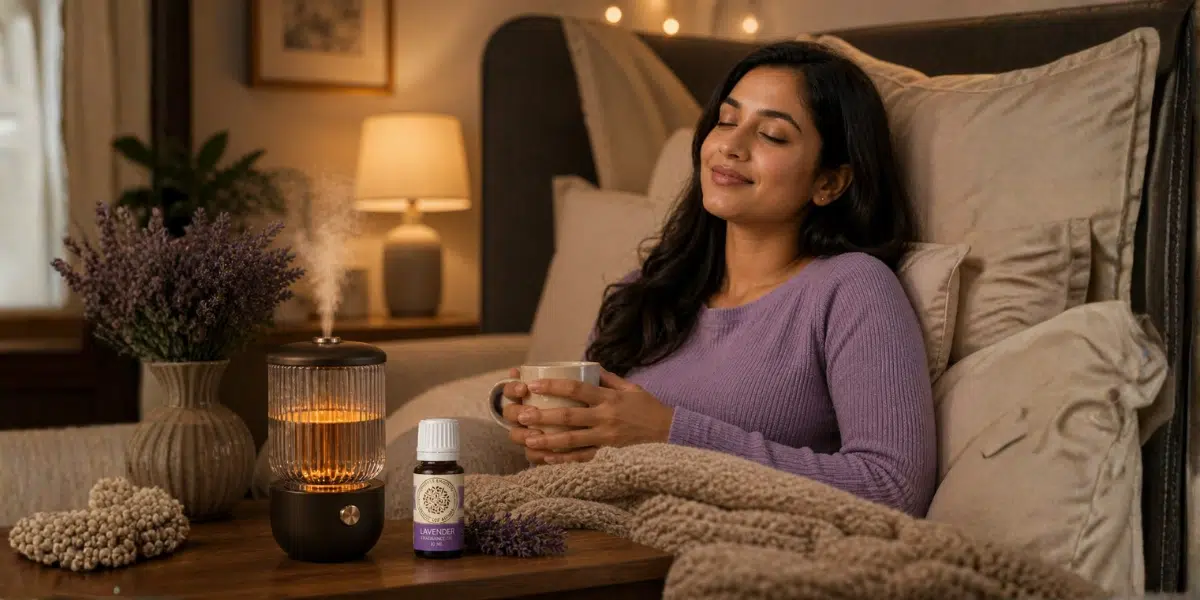
Fill an electric diffuser with clean water, add a few drops of oil, switch it on for 30 to 60 minutes and then give the room a break. That’s the easiest, most even way to scent a room.
- Place the diffuser on a flat surface, at least a little above floor level, away from electronics and soft furnishings.
- Fill with clean tap water up to the line.
- Add your drops, then put the lid back on.
- Run it in brief sessions. Your nose gets used to scent quickly, so more time doesn’t mean more smell.
- Empty and wipe the tank after each use, especially in humid weather.
A gentle oil to begin with is Lavender Essential Oil. House of Aroma describes it as fresh and floral with soft herbal notes, which makes it an easy first scent for a bedroom or reading corner.
How Many Drops Should You Add?
For pure essential oils, start with 3 to 5 drops in a standard home diffuser. They’re strong, so less is usually enough. For fragrance-oil mood blends, House of Aroma’s product pages suggest 8 to 10 drops.
Drops for Small Rooms vs Large Rooms
- Bathroom, study or small bedroom: 2 to 4 drops of essential oil.
- Standard bedroom: 3 to 5 drops.
- Living room or open hall: 5 to 6 drops, or run the diffuser a little longer.
For its Stress Soother Fragrance Oil, House of Aroma suggests about 6 drops for a small meditation space and around 12 for a large master bedroom. That’s a good picture of how much room size changes things.
How long should I run an aromatherapy diffuser?
Thirty to sixty minutes at a time is plenty for most rooms. Then switch it off and air the room for a while.
Can I use aromatherapy oils in a humidifier?
Only if the humidifier says it’s made for oils. Many plain humidifiers aren’t, and oil can damage them.
Should I use more drops if I can’t smell it?
Not straight away. Step out of the room for a few minutes and come back. Your nose may simply have got used to it.
Can I use House of Aroma essential oils in an ultrasonic diffuser?
Yes. House of Aroma says its essential oils suit electric diffusers, ultrasonic diffusers and ceramic heat diffusers made for aroma oils.
3. A Room-by-Room Guide to Scenting Your Home
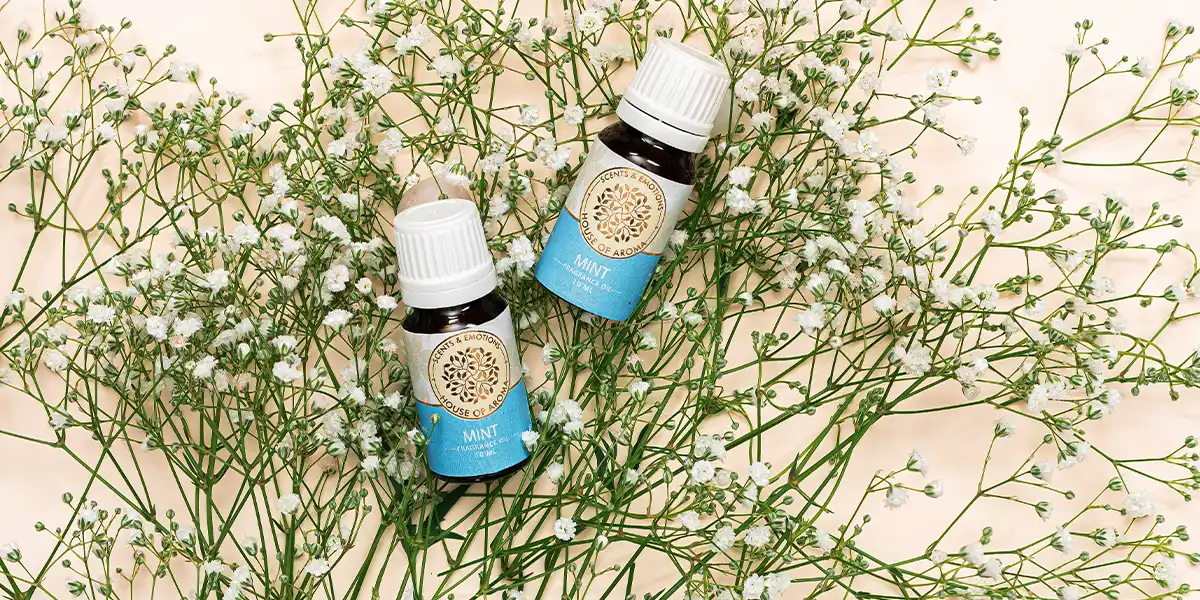
Match the oil to what you do in the room. Soft florals and woods for resting, fresh herbs and citrus for working and cooking, clean and light for shared spaces.
Bedroom: Lavender, sandalwood or a soft floral, 30 minutes before bed, then off. With the AC on and windows shut, go lighter than you think. A lavender pillow mist is another gentle option that doesn’t need a machine.
Living room: Something people won’t argue about. Lemongrass, sweet orange or a light floral works for guests. Save the heavy scents for evenings at home.
Work-from-home desk: Rosemary, peppermint or lemongrass feel fresh and clear. A small diffuser on the desk is enough. Not every room needs a scent all day, though; an hour in the morning is plenty.
Kitchen: Lemongrass or eucalyptus after cooking, not during. Fighting a strong tadka with an oil just makes a muddle.
Bathroom: Eucalyptus or peppermint. A cotton ball with a drop or two, tucked out of sight, freshens a small space without a diffuser.
Pooja corner: Sandalwood or a soft floral sits well with incense and flowers. Use very little.
Which aromatherapy oil is best for the bedroom?
Lavender is the classic choice. Sandalwood, ylang and soft florals also suit a calm bedroom.
Can I use different oils in different rooms?
Yes, but in a small flat, keep shared spaces to one main scent so they don’t clash in the hallway.
What oil helps a room smell fresh after cooking?
Lemongrass and eucalyptus both smell clean and bright. Air the kitchen first, then diffuse.
Does House of Aroma make products for the bedroom besides oils?
Yes. House of Aroma makes pillow mists, including a Natural Lavender Pillow Mist Sleep Spray, along with wax tablets and room sprays.
4. How to Use Aromatherapy Oils Without a Diffuser
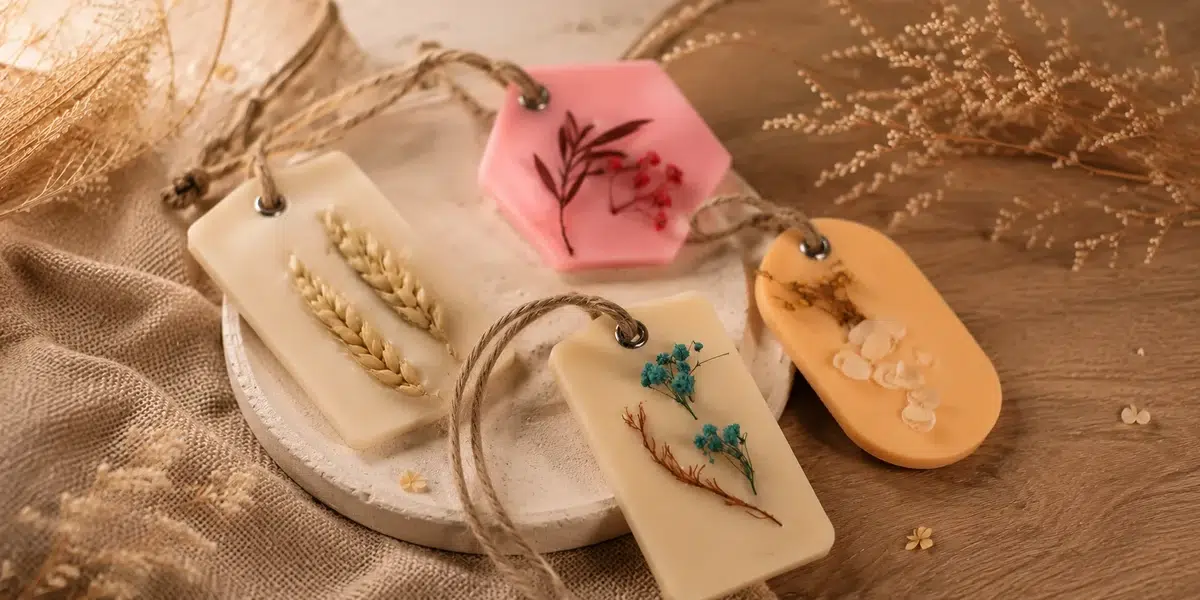
You can scent a room without any machine: a cotton ball, a reed diffuser, a wax tablet or a bowl of potpourri all work. They’re gentler than a diffuser, and some keep going for weeks.
- Cotton balls: One or two drops, tucked into a drawer, a car vent clip or behind a bathroom shelf. Change it every few days.
- Potpourri: Refresh a bowl of dried flowers with a few drops when it fades.
- Linen and cupboards: A drop on a cotton ball, kept in a corner of the wardrobe, not on the clothes themselves.
- Steam: A drop of eucalyptus in a bowl of hot water by the shower is a nice monsoon-morning habit. Keep your face at a comfortable distance and keep it away from children.
Wax tablets are a lovely no-fuss option. House of Aroma’s Lavender Wax Tablet is made from 100% natural soy wax and works with no heat at all. Its product page says the scent is designed to last two to three months, and suggests wrapping it in muslin near delicate fabrics like silk.
For a living room or entrance, a reed diffuser scents the air slowly through its reeds, with no flame or electricity. Turn the reeds every week or so for a fresh burst.
Can I put essential oil directly on my pillow?
It’s better not to. Neat oil can stain fabric and irritate skin. Use a pillow mist made for the purpose, or a cotton ball nearby.
How long does a cotton ball with oil last?
A few days in an open room, a bit longer in a closed drawer.
Are reed diffusers good for small rooms?
Yes. Use fewer reeds in a small room so the scent stays soft.
How long does a House of Aroma reed diffuser last?
House of Aroma says its 500 ml Velvet Oud Reed Diffuser usually lasts several weeks to months, depending on room size, airflow and how many reeds you use.
5. Simple Oil Blends That Work Well Together
Blend two or three oils that share a mood: a floral with a wood, a citrus with a herb, a mint with something soft. Keep the total drops the same as a single oil.
| Mood | Try this blend | Best room |
|---|---|---|
| Wind down | 2 drops lavender + 1 drop frankincense | Bedroom |
| Fresh start | 2 drops lemongrass + 1 drop rosemary | Desk or kitchen |
| Clean and cool | 2 drops eucalyptus + 1 drop peppermint | Bathroom |
| Warm welcome | 2 drops sweet orange + 1 drop ylang | Living room |
Try one blend for a few days before judging it. Some combinations grow on you, and some just don’t, which is fine.
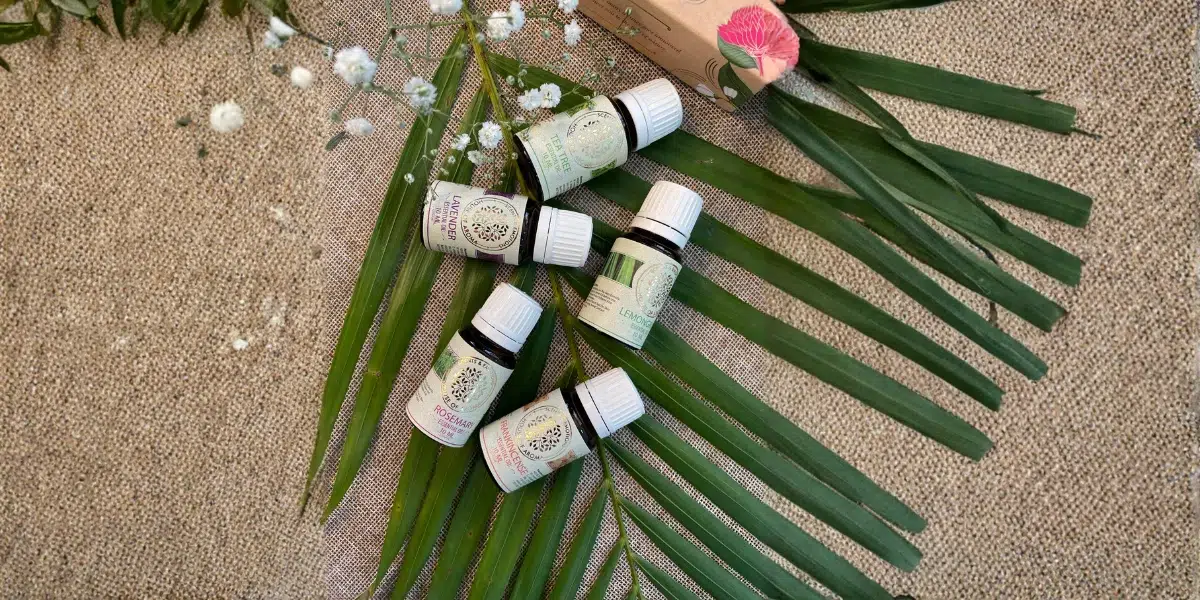
If you’d like to experiment without buying bottle by bottle, the Set of 5 Essential Oils brings together Lavender, Tea Tree, Rosemary, Lemongrass and Frankincense in 10 ml bottles. That’s enough to make every blend above except the last two.
Can I mix essential oils and fragrance oils?
You can in a diffuser, as long as both are made for diffusing. Keep the total drops low.
Which essential oils blend well with lavender?
Frankincense, cedarwood, bergamot and sweet orange all sit nicely with lavender.
How many oils should I mix at once?
Two or three. More than that and the scent gets muddy.
Which oils come in the House of Aroma Set of 5 Essential Oils?
Lavender, Tea Tree, Rosemary, Lemongrass and Frankincense, each in a 10 ml bottle of pure essential oil.
6. Safety Rules for Aromatherapy Oils at Home
Use a few drops, keep rooms aired, never swallow any oil, and always dilute essential oils in a carrier oil before they touch skin. Keep bottles away from children and pets.
- Never swallow essential oils, and keep them away from your eyes.
- Dilute before skin use. Mix with a carrier oil such as coconut or almond, and do a small patch test on your inner arm first.
- Children: Store bottles up high, and don’t diffuse right beside a baby or small child.
- Pets: Cats are especially sensitive to essential oils. Keep diffusers away from where pets sleep, leave a door open so they can leave, and ask your vet if you’re unsure.
- Pregnancy: Ask your doctor before using essential oils, especially on skin.
- Asthma or allergies: Try a short, light session first and stop if anyone feels unwell.
Store oils with the cap tight, somewhere cool and dark. And if you’re choosing an electric diffuser for the first time, this guide to picking an essential oil diffuser for home covers the main types.
Can I apply aromatherapy oils directly to my skin?
No. Always dilute essential oils in a carrier oil first and patch test a small area.
Is it safe to diffuse oils around babies?
It’s better to avoid diffusing in a baby’s room. If you scent nearby rooms, keep it light and keep the door open.
What should I do if a child swallows essential oil?
Don’t try to make them vomit. Call your doctor or go to the nearest hospital straight away, and take the bottle with you.
Do House of Aroma’s essential oil pages include safety advice?
Yes. The pages say to dilute essential oils with a carrier oil before skin or hair use, and to store them in a cool, dry place away from sunlight with the cap closed.
7. Why Choose House of Aroma for Aromatherapy Oils?
At House of Aroma, a Mumbai-based aroma company, every essential oil page tells you the plant, where it was grown and how it was extracted. That kind of detail helps you choose with confidence rather than by the prettiest bottle.
Alongside pure essential oils, the range includes mood fragrance blends, wax tablets, pillow mists and reed diffusers, so you can scent every room in the way that suits it.
Find what fits your home:
- Explore the wellness range for oils, mists and bath products.
- Try Eucalyptus Essential Oil from the Nilgiri hills for a crisp, fresh bathroom or monsoon morning.
Conclusion: A Few Drops, Used Well
Learning how to use aromatherapy oils comes down to three things: choose a scent that fits the room, use fewer drops than you think, and pick a method that suits your day, whether that’s a diffuser, a reed diffuser or a simple wax tablet in the wardrobe.
Keep the safety basics in mind, especially around children, pets and skin, and give each new scent a few days before you decide.
A home doesn’t need to smell strong. It just needs to smell like somewhere you want to be.
Common FAQs: How to Use Aromatherapy Oils
What is the easiest way to use aromatherapy oils at home?
An electric diffuser with a few drops in water. It’s even, easy to control and switches off when you’re done.
How often can I use aromatherapy oils?
Daily is fine for most people, in brief sessions with fresh air in between.
Do aromatherapy oils expire?
Their scent changes over time, especially citrus oils. Most stay pleasant for a year or more if stored cool, dark and tightly capped.
Can I use aromatherapy oils in my car?
Yes, on a cotton ball or a clip made for oils. Use one drop and never let oil touch the dashboard plastic.
Which aromatherapy oil smells the most relaxing?
Lavender is the most popular for winding down. Sandalwood, ylang and frankincense are softer, warmer options.
Can I add aromatherapy oils to my bath?
Only after mixing them with a carrier oil or bath product first. Oil floats on water, so neat drops can sit on your skin.
Are House of Aroma essential oils 100% pure?
House of Aroma describes its essential oils as 100% pure and natural, steam-distilled from plant material, with no added synthetic fragrance in the Set of 5.
Does House of Aroma make aromatherapy gift sets?
Yes. Along with the Set of 5 Essential Oils, House of Aroma makes gift sets such as the Sukham Diffuser Gift Set with three fragrance oils, and a Deep Sleep Edit gift set.